






 Portuguese
  Spanish
  5 min of reading
  0 comments


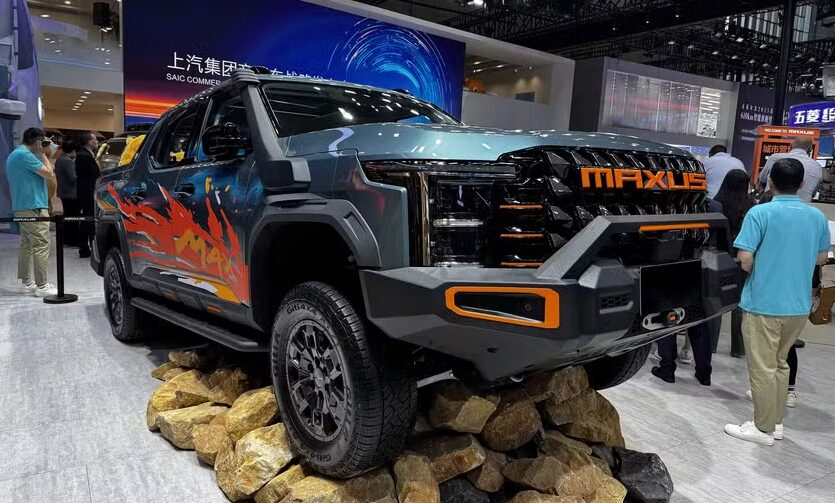
With The New Amarok Being Based On A Chinese Pickup, Volkswagen Promises To Change The Pickup Market In Latin America, Betting On Larger Dimensions, More Embedded Technology, And New Engines, Including High-Efficiency Hybrid Versions.
The New Generation Of The Volkswagen Amarok Already Has Its Destination Set: It Will Be Based On A Chinese Pickup And No Longer On The Ford Ranger, As Happened Previously.
The German Manufacturer Confirmed A Billion-Dollar Investment In Argentina To Produce The Second Generation Of The Amarok Starting In 2027, And Surprisingly, Chose The Maxus Terralord Pickup From SAIC Motor, Its Partner In China, As The Platform.
The Change Marks A Strategic Turn For The Amarok, Which Promises To Conquer The South American Market With A Renewed Identity, Robustness, And Cutting-Edge Technologies.
-
Uber Faces Shareholder Scrutiny as Board Accused of Ignoring Safety, Compliance, and Harassment Warnings Amid Over 3,500 U.S. Lawsuits

-
Ferrari’s First Electric Car Divides Fans, Priced at $630,000, Amid Concerns Over Limited Editions; Brand Clarifies It’s Not Just for Future Perks
-
BYD Dolphin Mini: The Electric Car That Defies Depreciation, Losing Only 3.58% in a Year and Becoming the Best-Selling Retail Model Under $22,000

-
Electric Car JAC E-JS4 Loses $19,000 in Value in One Year, Leading Record Depreciation of Used Cars in Brazil Due to Expensive Battery and New Models


The Information Was Disclosed By Automotive Industry Sources And Confirmed By Volkswagen Itself, According To The Site Autoesporte, Which Closely Followed The News During The Shanghai Motor Show, The World’s Largest Automotive Fair.
A New Look: Deep Changes In Design
The First Impact Upon Seeing The Maxus Terralord Is Its Imposing And Robust Appearance.
Although The Unit Displayed In Shanghai Was Heavily Customized For The Event, The Aggressive And Exaggerated Style Caught Attention And Divided Opinions.
Aware Of This, Volkswagen Has Already Confirmed That The Design Of The New Amarok Will Be Significantly Modified Compared To The Chinese Model.
The Restyling Work Will Be The Responsibility Of Brazilian José Carlos Pavone, The Current Head Of Design At Volkswagen For Latin America, Known For Projects Such As The VW Tarok And The VW Tera.
In Teasers Recently Released By The Manufacturer, Some Of The Changes That Will Come Can Be Observed.
The Vertical Headlights, Inspired By The Ford F-150, Will Give Way To More Horizontal Units Connected By An Illuminated LED Bar.
The Front Grille, Which Currently Features A Diamond Mesh, Will Be Replaced By More Discreet And Modern Horizontal Strips.
In Addition, The Hood And The Front Bumper Will Also Be Completely Redesigned To Give More Identity To The Volkswagen Model.
Generous Dimensions And Impressive Size
In Terms Of Size, The Maxus Terralord Impresses.
With A Length Of 5.50 Meters, 2 Meters In Width, 1.86 Meters In Height, And A Wheelbase Of 3.30 Meters, It Surpasses Rivals Such As The Ford Ranger, Toyota Hilux, And Chevrolet S10.
These Numbers Place The New Amarok At A Level Above The Medium Pickups Currently Sold In Brazil, Bringing It Closer To Full-Size Models In Size And Road Presence.
This Bet On A More Robust Size Aims To Cater To Both The Traditional Medium Pickup Audience And New Consumers Seeking More Space And Sophistication.
According To Behind-The-Scenes Information, The Dimensions Will Be Maintained Or Slightly Adapted For The South American Market, Respecting Local Regulatory Requirements And Consumer Preferences.

A More Modern And Technological Interior
Inside, The Transformation Will Be Even More Visible.
The Interior Of The Maxus Terralord Already Displays A Leap In Quality Compared To The Current Brazilian Amarok, Whose Appearance Has Remained Practically Unchanged For Over Ten Years.
Among The New Features, The Following Stand Out:
- Elevated Central Console, Which Resembles Luxury SUVs.
- Electronic Parking Brake Instead Of The Traditional Manual Lever.
- Panel With Two Large Screens, One For The Digital Instrument Cluster And The Other For The Multimedia System.
- Higher Quality Finishing Materials, Although There Remains The Presence Of Hard Plastics In The Lower Areas.
Despite The Good Standard Observed In The Chinese Terralord, Sources Close To The Project Indicate That Volkswagen Will Make Adjustments To The Interior Finish To Meet The Expectations Of Brazilian Consumers, Who Value A More Sober Appearance And Softer Touch Materials.
The Combination Of Striking Colors And Shiny Finishes Seen In The Shanghai Unit Is Not Expected To Be Replicated In The Final Model For Brazil.
Mechanics: Goodbye To The V6, Hello To Electrification
One Of The Most Impactful Changes In The New Amarok Will Be Under The Hood.
The Traditional 3.0 V6 Diesel Engine, Which Won Over Many Fans For Its Robust Performance, Will Be Retired.
In Its Place, Volkswagen Is Preparing New, More Efficient Engines Aligned With Global Electrification Trends.
Sources Linked To Production Indicate That There Will Be At Least Two Options:
- A Modern Diesel Engine, Yet To Be Officially Revealed, But Promising To Maintain High Performance Along With Lower Pollutant Emissions.
- An Unprecedented Hybrid Version That Will Combine An Internal Combustion Engine And An Electric Motor, Providing Better Energy Efficiency And Reduced Consumption.
The Confirmation Of The Hybrid Version Came From The Workers’ Union At The Pacheco Plant In Argentina, Which Will Also Be Responsible For Assembling The New Pickup.
This Bet On Electrification Is Strategic, As The Global Pickup Market Also Begins To Demand More Sustainable Alternatives Without Giving Up Robustness.

Production In Argentina And Sales In Brazil
The Choice Of The General Pacheco Factory In Argentina For The Production Of The New Amarok Reinforces Volkswagen’s Commitment To The South American Market.
The Manufacturer Announced An Investment Of Over US$ 1 Billion In The Argentinian Plant, Intended Not Only For The Production Of The Pickup But Also For The Modernization Of The Plant, New Technologies, And Updating Industrial Processes.
According To Official Information, The New Generation Of The Amarok Will Be Launched In 2027, But The Current Generation Will Continue In Production And Sales Until Then, Maintaining Its Space In Brazilian Dealerships.
With The Arrival Of The New Pickup, Volkswagen Hopes To Consolidate Its Share In One Of The Most Lucrative Segments Of The Brazilian Automotive Market, Currently Dominated By The Ford Ranger, Toyota Hilux, And Chevrolet S10.
Additionally, The New Amarok May Open Doors For Exports To Other Markets In Latin America, Further Strengthening The Brand’s Presence In The Region.
Expectations And Curiosities About The New Amarok
There Are Still Many Details To Be Revealed In The Coming Months.
Among The Points That Spark The Most Curiosity Are The Engines, The Level Of Embedded Technology, The Safety Packages, And The Pricing Strategy That Volkswagen Will Adopt To Face Rivals.
There Is Also The Expectation That The New Amarok Will Receive Differentiated Versions, Such As Single And Double Cab Options, As Well As Versions With Adventurous And Off-Road Looks.
One Thing Is Certain: Volkswagen’s Bet On A Pickup With A Chinese Origin Shows How The Global Automotive Market Is Changing, Breaking Old Paradigms And Seeking Efficiency And Innovation, Regardless Of The Product’s Origin.
And You, What Do You Think Of Volkswagen’s Decision To Rely On A Chinese Base For The New Amarok? Will Brazilian Consumers Embrace This Change? Leave Your Comment!





-

-

-

4 people reacted to this.