






 Portuguese
  Spanish
  3 min of reading
  0 comments


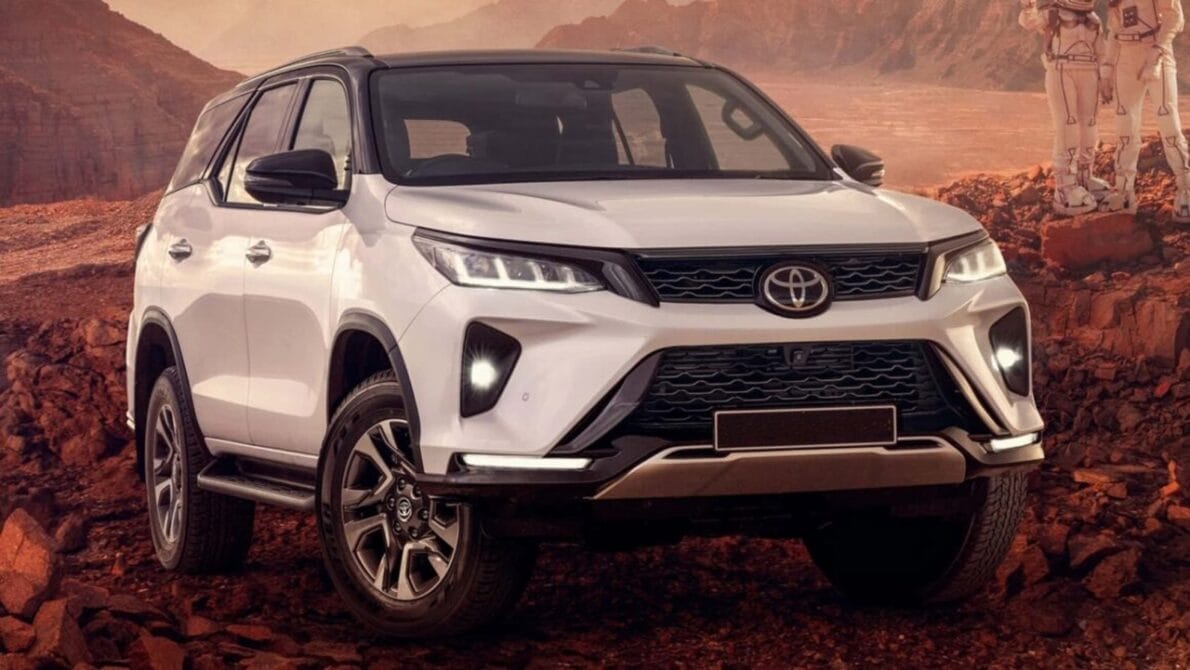
MHEV Technology in the New Toyota SW4 SUV: Enhanced Power and Reduced Environmental Impact Ensure an Exceptional Driving Experience
Toyota has officially announced the launch of the new SW4 SUV equipped with mild hybrid technology. The vehicle makes its initial debut in South Africa and adopts the same system used in the MHEV variant of the Hilux pickup sold in Europe and Oceania. In addition to fuel consumption benefits, the brand promises substantial improvements in areas such as acceleration, power, and efficiency.
Toyota has solidified its commitment to innovation and sustainability with the introduction of Mild Hybrid Electric Vehicle (MHEV) technology in the new 2024 SW4 SUV. This mild hybrid system is a revolution in the SUV market, promising energy efficiency and enhanced performance without compromising power.
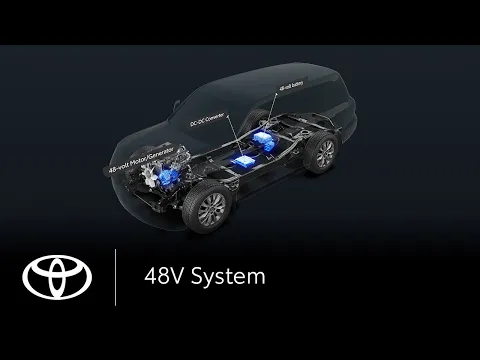

Operation and Advantages of MHEV Technology
The heart of the MHEV system in the Toyota SW4 is a 48-volt starter generator, integrated with the 2.8 turbo-diesel engine. This generator, capable of producing 16 hp and 6.6 kgfm of torque, is connected to the crankshaft by a durable belt. The system is designed to assist during starts and accelerations, reducing fuel consumption and harmful gas emissions, which highlights Toyota’s commitment to environmentally responsible practices.
-
Uber Faces Shareholder Scrutiny as Board Accused of Ignoring Safety, Compliance, and Harassment Warnings Amid Over 3,500 U.S. Lawsuits

-
Ferrari’s First Electric Car Divides Fans, Priced at $630,000, Amid Concerns Over Limited Editions; Brand Clarifies It’s Not Just for Future Perks
-
BYD Dolphin Mini: The Electric Car That Defies Depreciation, Losing Only 3.58% in a Year and Becoming the Best-Selling Retail Model Under $22,000

-
Electric Car JAC E-JS4 Loses $19,000 in Value in One Year, Leading Record Depreciation of Used Cars in Brazil Due to Expensive Battery and New Models


Impact of MHEV on Consumption and Emissions
The adoption of the MHEV system in the Toyota SW4 results in approximately 5% fuel savings, a significant improvement that contributes to reducing the environmental impact of vehicles. This system not only lessens the load on the engine during demanding operations but also keeps the engine off when not needed, such as at traffic lights, utilizing stored energy to power the vehicle’s electrical systems.
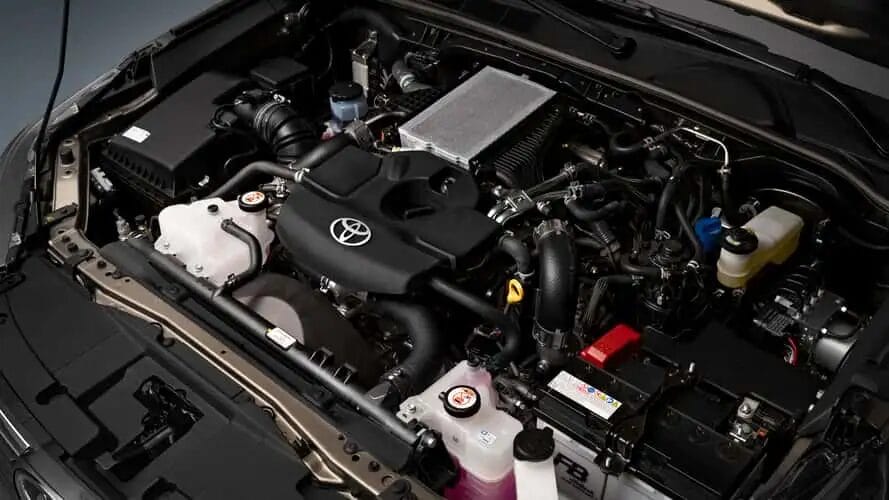
Enhanced Driving Experience with MHEV
The MHEV system also improves the driving experience by reducing noise, vibration, and harshness (NVH). This is made possible by the smooth operation of the starter generator, which, by complementing the engine’s power, provides a more responsive and enjoyable acceleration while maintaining the engine’s power at 204 hp and 50.9 kgfm of torque.
Global Launch and Expansion to the Brazilian Market
The Toyota SW4 MHEV was initially launched in South Africa, where it is known as Fortuner. The expectation is that this innovative model will soon arrive in Brazil, marking the beginning of a new era for hybrid SUVs in the country. Toyota is already recognized for its line of hybrid vehicles in Brazil, including the Corolla and RAV4, and the introduction of the SW4 MHEV reinforces its portfolio of sustainable options.
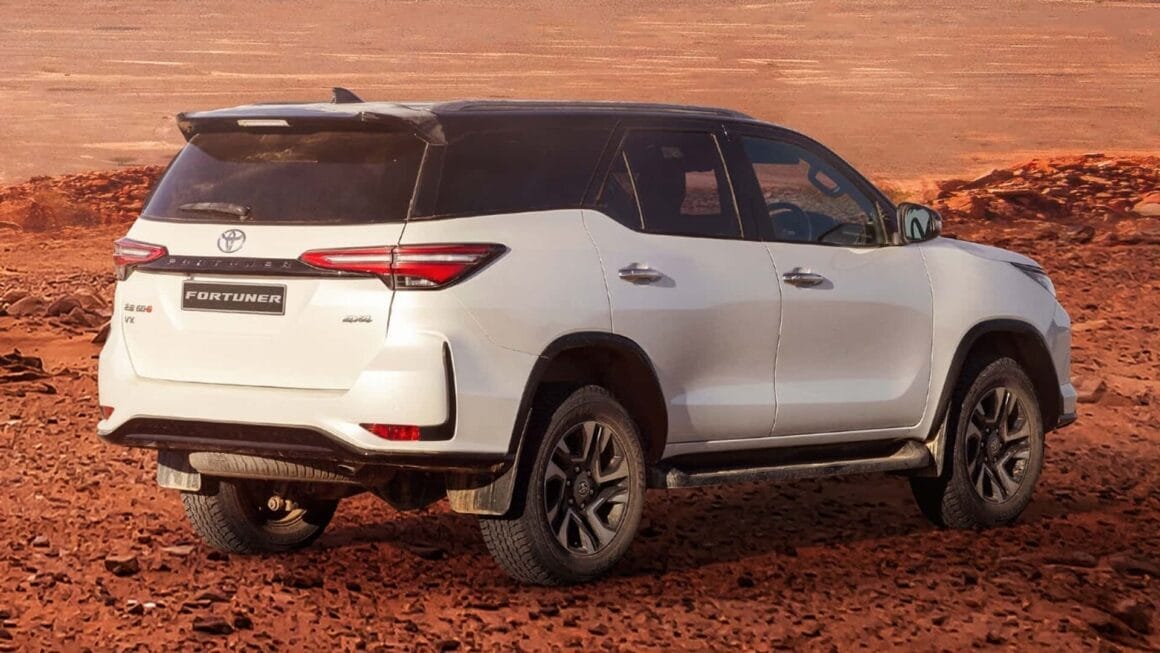
Toyota SW4 and the Future of Sustainable Mobility
The integration of MHEV technology in the new Toyota SW4 SUV is a clear example of Toyota’s leadership in seeking mobility solutions that respect the environment. This launch not only meets the growing demand for more efficient and less polluting vehicles but also sets a new standard of innovation in the SUV segment. With the Toyota SW4 MHEV, the brand not only promises a more efficient and pleasurable drive but also paves the way for a greener and more sustainable future in the automotive sector.





Be the first to react!