






 Portuguese
  Spanish


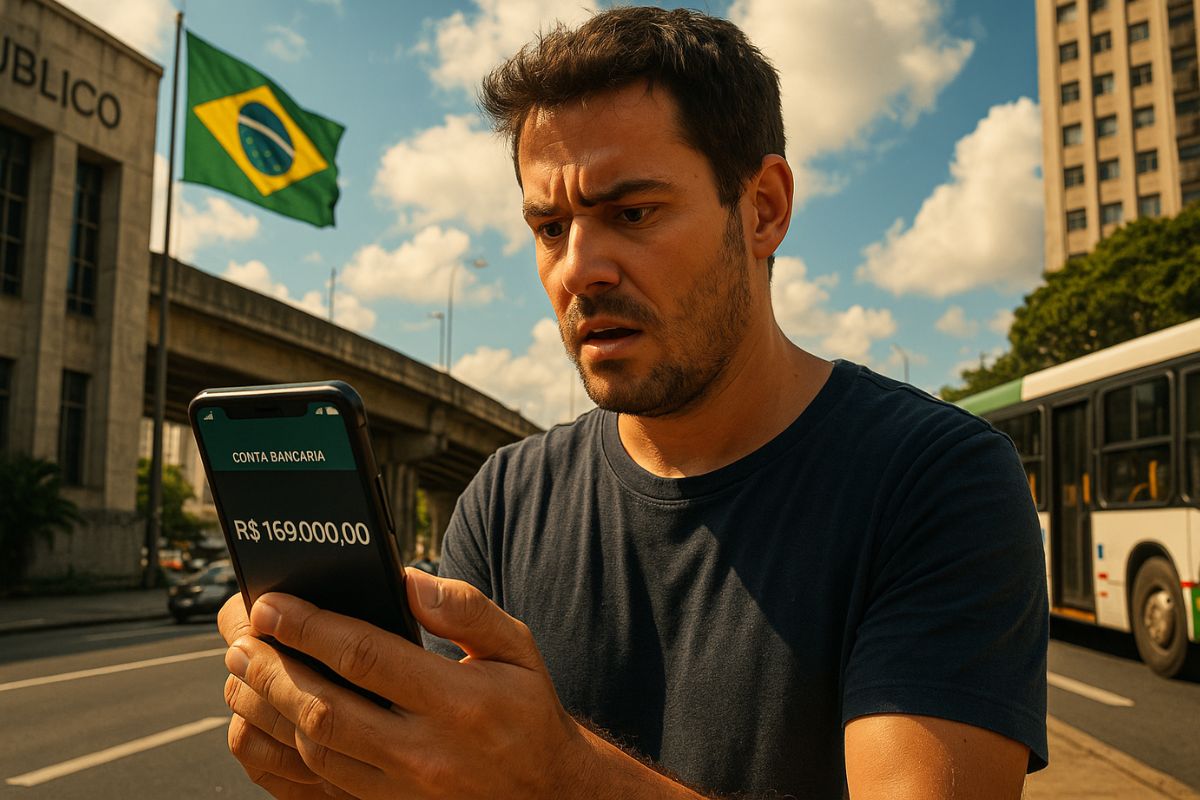


In The Interior Of São Paulo, The Case Of The Former Employee In Iracemápolis Exposes A Pix Sent By Typing Error, Immediate Spending Of R$ 70 Thousand, And The Refusal Of A Non-Prosecution Agreement, With Possible Criminal And Civil Implications
The episode involves a former employee who mistakenly received R$ 159 thousand via Pix after an incorrect supplier registration in Iracemápolis (SP). Instead of reporting the error, he immediately took on personal expenses, paying off debts and buying a motorcycle, according to reports.
The narrative took a criminal turn when, despite promising to return the amount, the beneficiary did not do so. The defense claimed extortion, and a police report was filed, but the investigation was archived by the Public Prosecutor’s Office due to lack of evidence, while the former employee also refused a Non-Prosecution Agreement (ANPP).
The Registration Error And The Use Of The Money
The starting point was a typing error in the supplier registration that directed the transfer to the former employee’s account. The amount of R$ 159 thousand was credited at once, and the beneficiary reportedly said that he had “never seen so much money”.
-
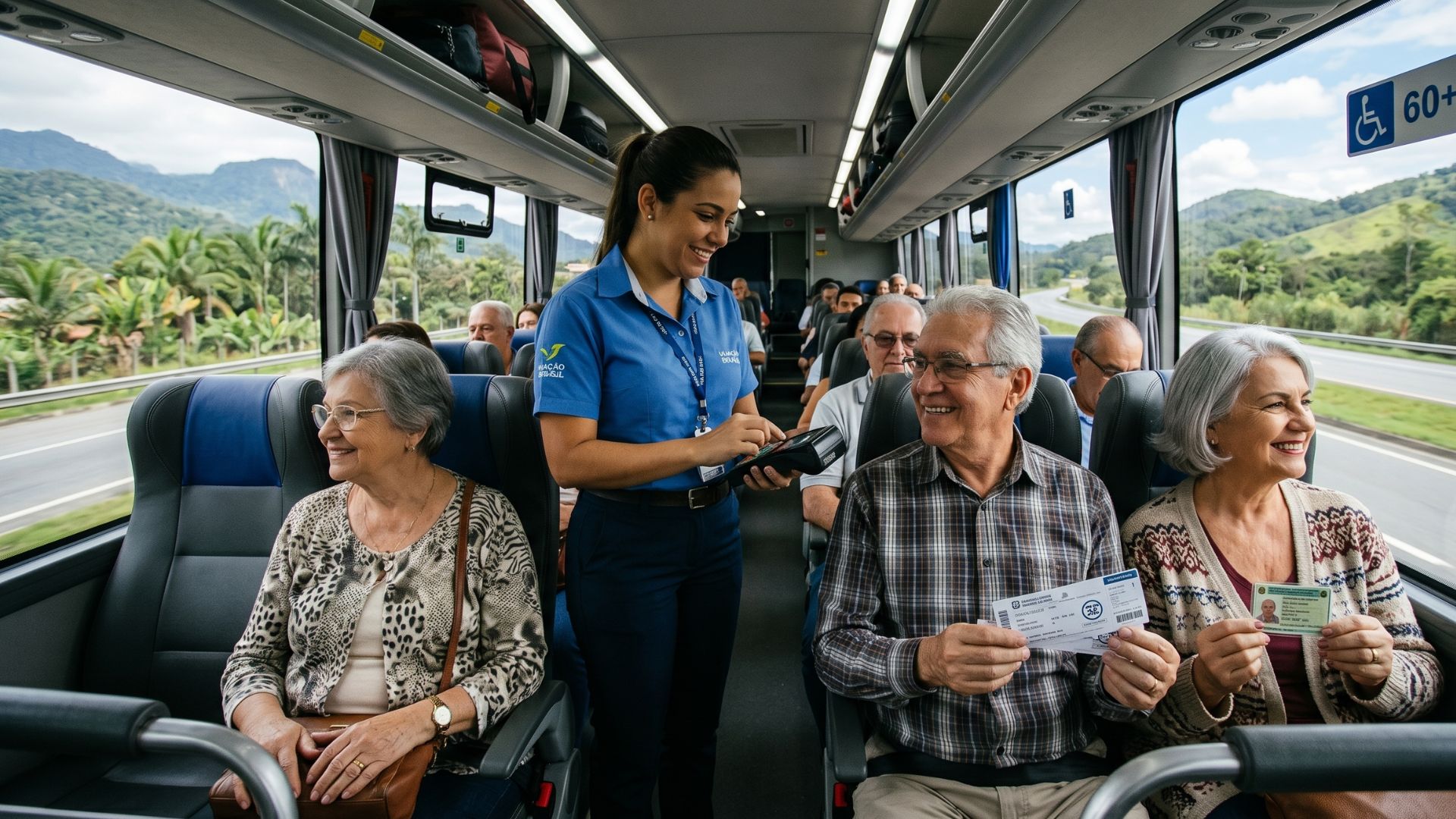
Seniors Over 60 Can Travel for Free Across Brazil: Elderly Statute Ensures Two Free Bus Seats and 50% Discount When Full for Low-Income Passengers

-
Detran RJ starts requiring a toxicological test for those obtaining their first driver’s license in the car and motorcycle category starting June 29; see who will be affected.

-
Florida takes TikTok to court and accuses the Chinese giant ByteDance of ignoring the law that bars minors under 14, while parents and authorities demand more protection for children on social networks.
-
Chamber approves constitutional amendment reducing the age of criminal responsibility from 18 to 16 years; what now?



Shortly thereafter, part of the amount was used quickly: approximately R$ 70 thousand to pay off debts and purchase a motorcycle. This behavior is decisive for the legal interpretation of the facts, as it indicates exercising ownership over a value known to be someone else’s.
In terms of criminal law, the case revolves around Article 169 of the Penal Code, which addresses the act of appropriating someone else’s property that came into one’s possession by error. The initial possession is lawful, but the crime is established when, aware of the mistake, the recipient decides not to return and begins to treat the amount as their own.
The prosecution tends to assert that the intent becomes evident after learning of the mistake and in light of actions taken over the money. Spending the amount and not returning it after being notified strengthens the accusatory thesis. The unfulfilled promise to return weighs against the accused.
The Allegation Of Extortion And The Archiving
Amid the conflict, the former employee filed a police report claiming to be a victim of extortion by alleged emissaries of the company. This narrative opened a parallel investigation.
The archiving of the procedure by the Public Prosecutor’s Office for lack of evidence weakens the defense’s argument. Without evidence of coercion, the central line of the case reverts to the appropriation of the amount received by mistake, which simplifies the prosecution’s legal route.
The Non-Prosecution Agreement (ANPP) is a pre-procedural instrument that, in cases like this, could prevent criminal action through conditions such as damage compensation. Refusing the ANPP places the accused in the full course of the criminal process, with all its costs and uncertainties.
In practice, the choice increases the risk of conviction and eliminates the faster route to resolve the case. Without the agreement, the charges proceed and the trial advances, while the documentary elements of the transfer and expenditures support the accusation.
Parallel Civil Liability And Unjust Enrichment
Regardless of the criminal outcome, the civil obligation to return the money remains. The logic is prohibition of unjust enrichment: anyone who received what was not due must refund, with monetary correction and interest from the improper receipt.
If there is no spontaneous return, enforcement measures, such as asset blocking and seizure of goods (including the purchased motorcycle), can be initiated. The liability is likely to increase, making the final cost higher than the original R$ 159 thousand.
The Pix is instantaneous, and transfers are generally definitive after confirmation. There is no “undo” button for user typing errors. The Special Return Mechanism (MED) was designed for fraud and banking operational failures, not for errors made when filling in details.
Therefore, the responsibility to act correctly lies with the recipient. The recommended procedure is to use the “Return Amount” function in the bank app, linking the return to the original transaction. Making a new manual Pix is not recommended and could open the door to scams.
What This Case Signals For Companies And Individuals
For companies, the lesson is to reiterate registration checks and improve internal controls in supplier registrations and payments. Small operational lapses can generate complex liabilities that are difficult to rectify.
For users, the message is direct: money credited by mistake must be returned. Retaining undue amounts usually results in litigation and criminal prosecution, especially when there is clear notification of the error and use of the amount.
The case in Iracemápolis (SP) highlights how a registration error combined with high-risk decisions can lead to criminal exposure and financial ruin. The former employee not only used part of the amount but also refused the ANPP, an option that increased legal uncertainty and narrowed the exits.
Additionally, the civil obligation to refund remains ongoing, with a chance of increased debt due to correction and interest. In the era of instant payments, good faith is the dividing line between a quickly resolved incident and a long, costly process with lasting effects.
Do you agree with this change? Do you think this impacts the market? Leave your opinion in the comments — we want to hear from those living this in practice.


Ao transferir o dinheiro por Pix, o sistema deveria pedir para digitar o número do CPF do recebedor,porquê pede para observar os dados mais ao digitar o CPF , é possível ver que é outro usuário ou se é o mesmo.