






 Portuguese
  Spanish


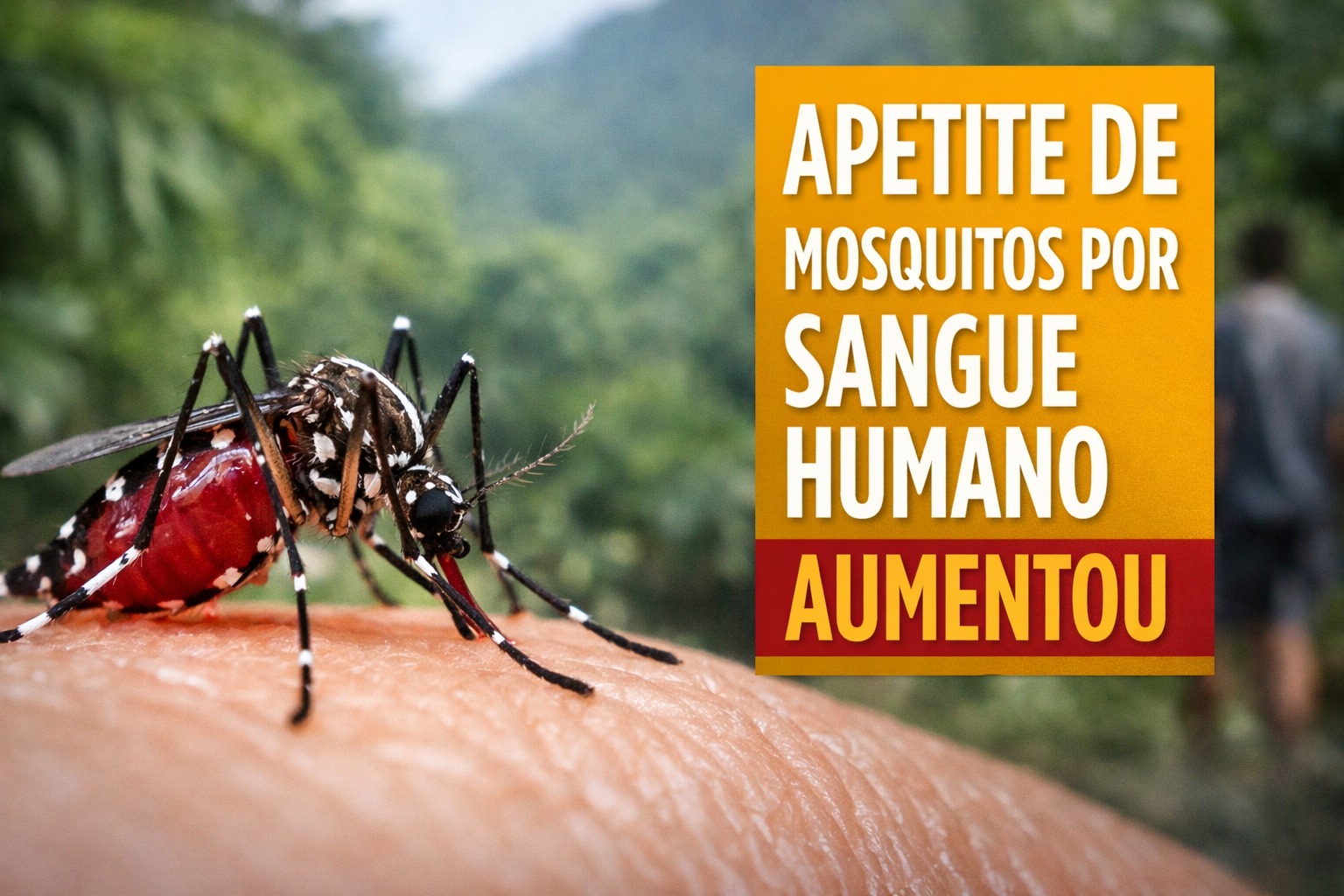
Research In Atlantic Forest Reveals That Reduction Of Wild Hosts Leads Mosquitoes To Feed More On Humans, Increasing Risks Of Disease Transmission In Ecosystems Under Strong Environmental Pressure
Species of mosquitoes spread around the world are changing their feeding habits in response to biodiversity loss, increasingly feeding on human blood, according to a study conducted in Rio de Janeiro, which raises health risks in areas of growing environmental pressure.
A study led by scientists from the Federal Rural University of Rio de Janeiro and the Oswaldo Cruz Institute analyzed the origin of the blood ingested by mosquitoes in the Brazilian Atlantic Forest.
The results indicate that the reduction of wild hosts, caused by human presence and environmental changes, leads these insects to increasingly rely on humans as their main food source.
-
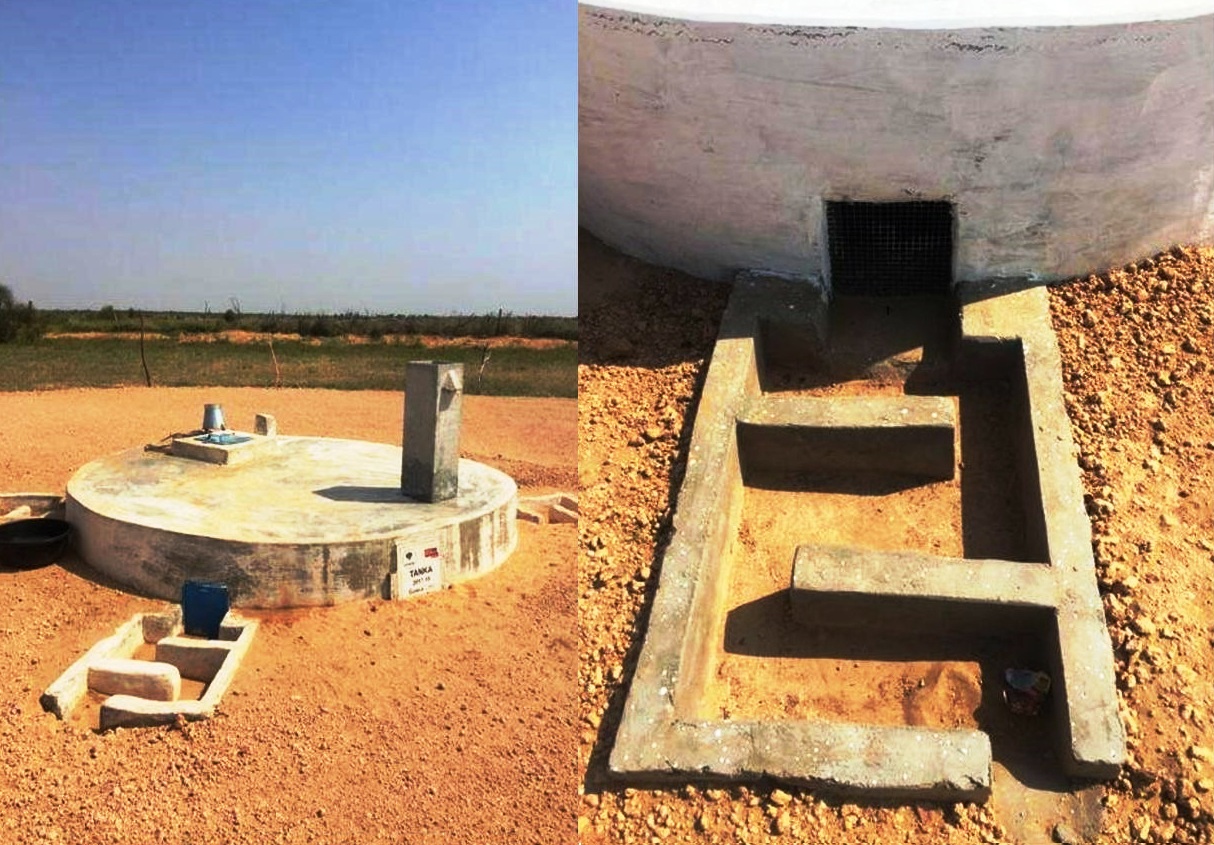
In the World’s Most Densely Populated Desert, Families Dig Funnel-Shaped Underground Cisterns to Capture Rare Rainfall and Store Drinking Water for Up to Eight Months

-
Smart Glass Revolutionizes Privacy: Touch-Activated Opacity Transforms Windows into Connected Home Features with App and Voice Control

-
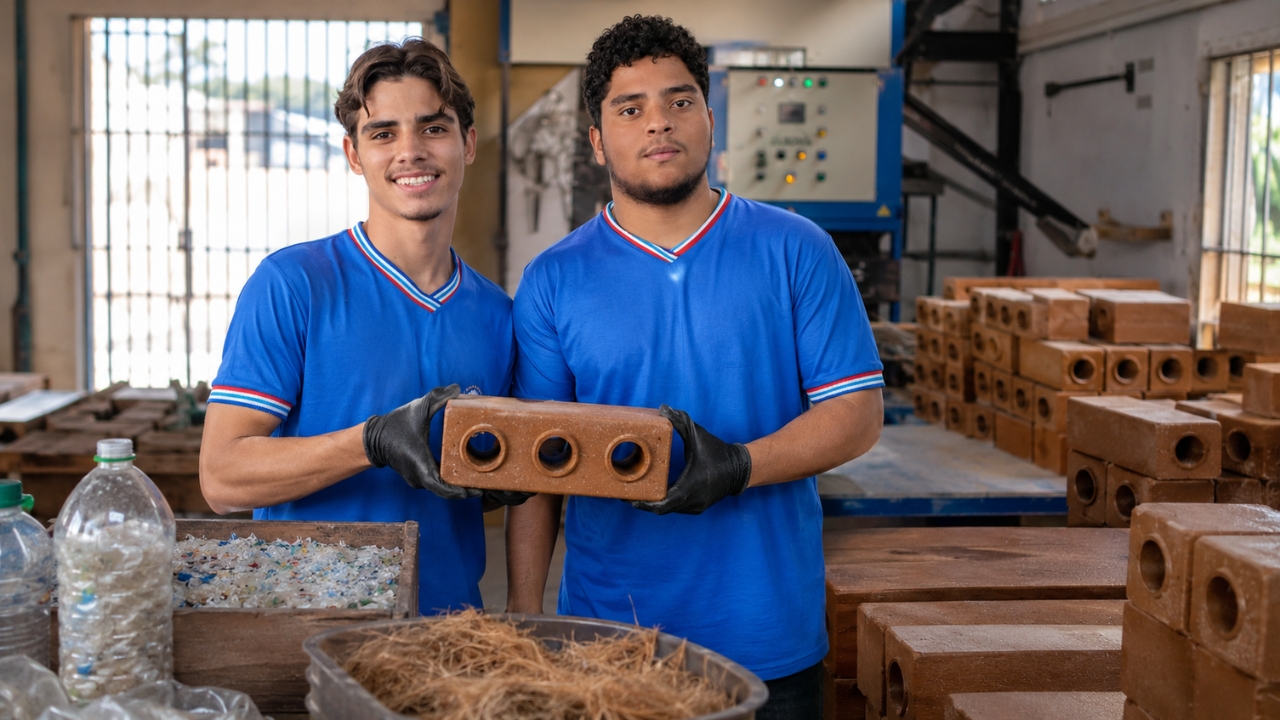
Young Innovators from Brazil Turn Discarded Plastic into Eco-Friendly Bricks Using Coconut Fiber, Offering a Sustainable Alternative for Construction
-
Brazilian Scientists Among Team Proposing to Turn Ocean Depths into Giant Gravity Battery Using Cargo Ships and Subsea Cranes



The Brazilian study was published on January 14 in the scientific journal Frontiers In Ecology And Evolution, reinforcing alerts about ecological impacts and risks associated with public health.
Fieldwork In Fluminense Reserves
The investigation began with collections made in two preserved areas of the state of Rio de Janeiro, the Sítio Recanto Reserve and the Rio Guapiaçu Ecological Reserve, known as REGUA.
In these environments, the researchers captured 1,714 mosquitoes belonging to 52 different species, representing a broad sample of the existing local diversity in these areas.
Of the total collected, only 145 insects had the necessary profile for detailed analysis, being engorged females, that is, those that had recently fed on blood.
Genetic Analysis Of Ingested Blood
The blood present inside these females was subjected to genetic sequencing techniques to identify the source of the material ingested by the analyzed mosquitoes.
According to a statement, the scientists analyzed a specific gene that acts as a genetic barcode, allowing for the recognition of each vertebrate species involved.
The comparison of this code with databases made it possible to accurately determine which animal each mosquito had fed on previously.
Predominance Of Human Blood
The analysis revealed that, in 24 mosquitoes with identifiable genetic material, the blood came from 18 humans, one amphibian, six birds, one canid, and one rat.
Some insects had more than one stored food source, indicating that feeding may occur from different hosts over short periods.
For Jeronimo Alencar, author of the study, mosquito feeding behavior is complex and influenced not only by preference but also by availability.
Environmental Pressure And Insect Adaptation
With fewer natural options available, mosquitoes seek alternative blood sources, turning to humans for convenience, according to Sérgio Lisboa Machado in a statement.
Deforestation in the Atlantic Forest and urban expansion reduce the local fauna, forcing adaptations in habits even among disease vector insects.
This increased preference for human blood is seen as an additional indicator of biodiversity loss in ecosystems pressured by human activities.
Health Risks And Preventive Alert
In addition to the environmental impact, greater interaction between mosquitoes and humans raises health concerns due to the transmission of viral diseases such as yellow fever, dengue, zika, and chikungunya.
According to Alencar and Machado, understanding this trend is essential to guide public policies, epidemiological surveillance, and preventive actions in vulnerable regions.
The authors highlight that the phenomenon reinforces the need to preserve natural habitats, reducing ecological imbalances that ultimately reflect directly on human health.
With information from Galileu Magazine.




Be the first to react!