






 Portuguese
  Spanish
 4 min of reading
  0 comments


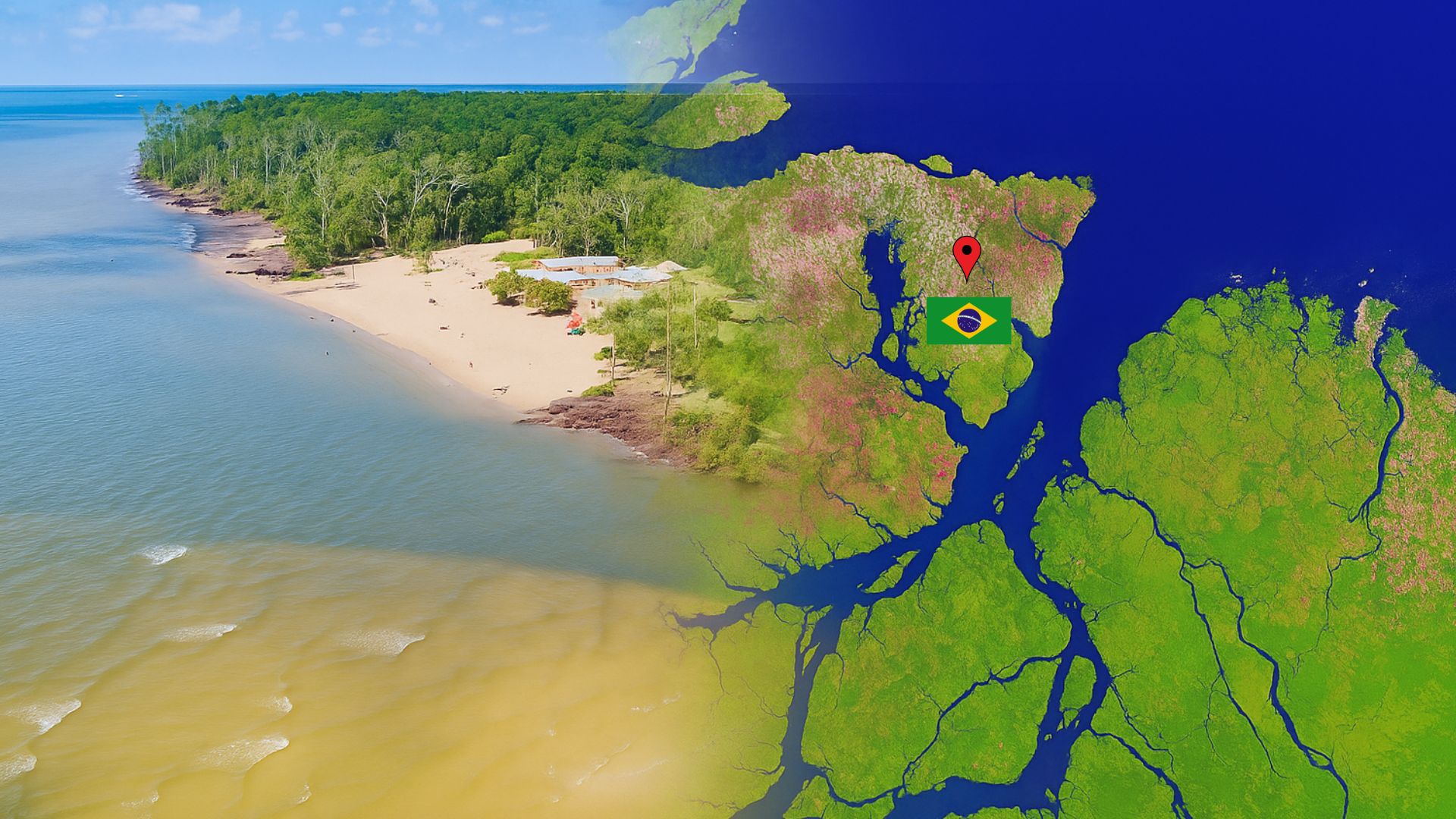
Amazonian Refuge Blends Beaches, Mangroves, and Exclusivity, Attracting Travelers in Search of Authentic Experiences and Preserved Landscapes. The Location Offers Unique Hospitality and Is Rising as a Sophisticated Destination in the North Region.
With freshwater beaches, preserved mangroves, and an exclusive atmosphere, the Marajó Archipelago, located in Pará, emerges as a new hub for luxury tourism in the Atlantic Amazon.
The region features little-explored landscapes and cultural experiences tied to nature, attracting couples and families interested in tranquility, comfort, and environmental connection, away from conventional tourist routes.
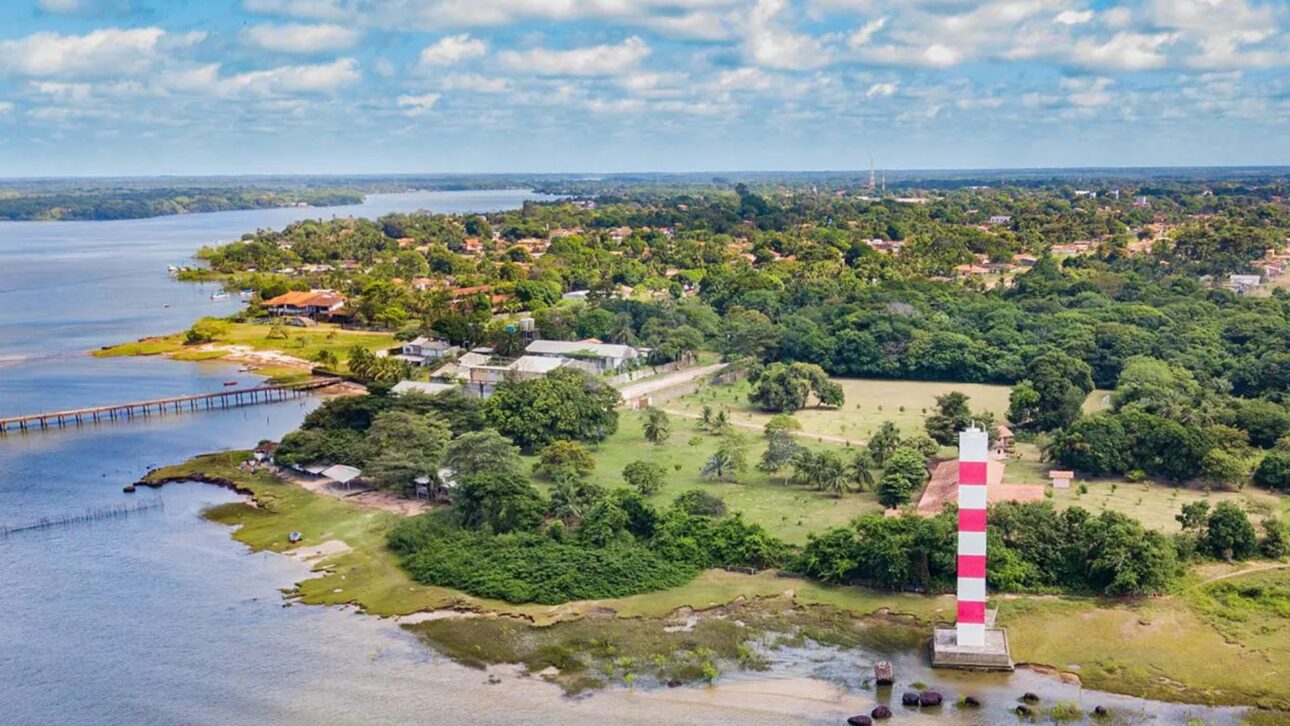
Among the highlights is Joanes Island, in the municipality of Salvaterra, recognized for its charming accommodations and tranquil environment.
-
An 18-story human anthill was hidden 85 meters below Turkey: the underground city housed up to 20,000 people, had tunnels, rooms, passages, and ton-heavy stone doors, and was only rediscovered when a man broke a wall inside his own house.

-
Mother of 5 children started selling homemade pamonha door-to-door and today earns about R$ 250,000 per month with a factory that produces 1,500 units per day and sells to several Brazilian states.

-
The shortcut that Greece dreamed of for 2,000 years cuts through a strip of rock in the Mediterranean, connects two seas, and still impresses ships that pass squeezed between the stone walls.
-
Traffic sign with two cars together, white background and four diagonal lines: see what it means


Silent Luxury Tourism and Preserved Nature
The Marajó Archipelago is located at the mouth of the Amazon River, where the waters meet the Atlantic Ocean, forming one of the largest fluvio-marine archipelagos in the world, according to data from Embratur and information released in 2025 by media outlets.
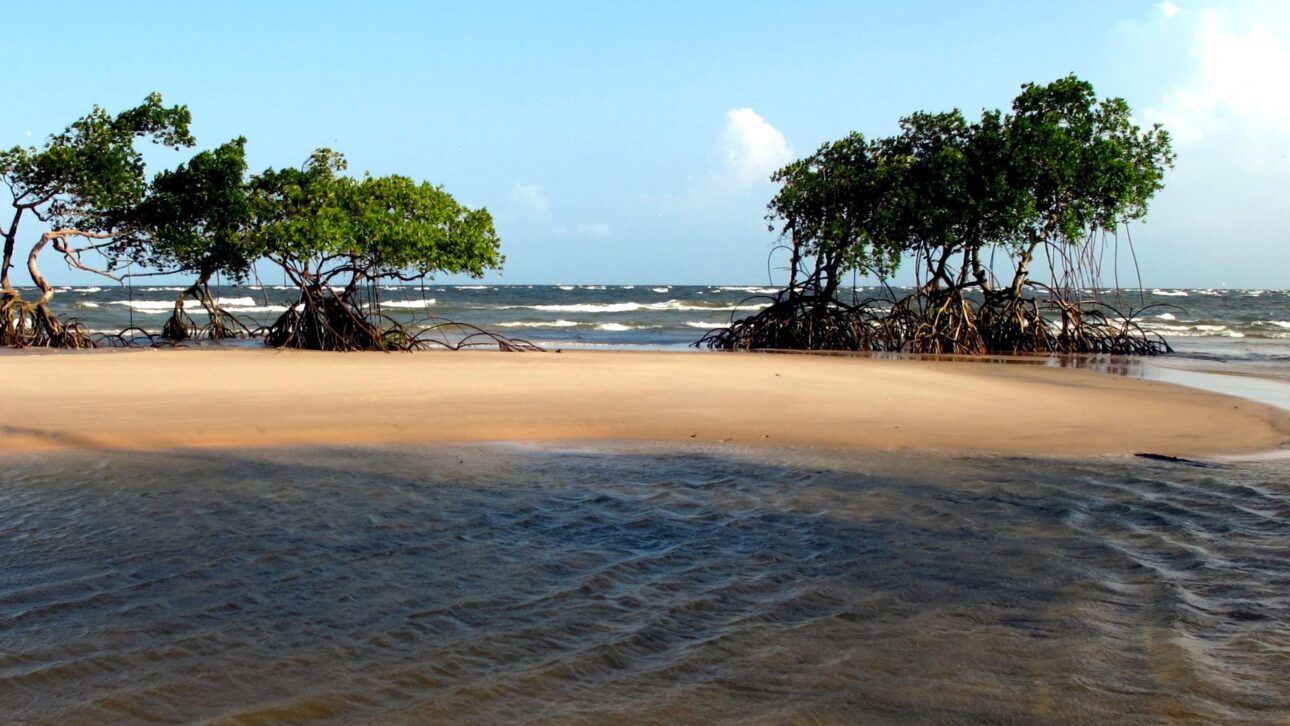
The region features fine sandy beaches, natural fields, forests, and mangroves, home to species such as buffaloes, considered a local symbol.
The growing demand for exclusive destinations has prompted investments in accommodations focused on sustainability, regional architecture, and cultural appreciation.
Inns and boutique hotels adopt low environmental impact practices, use local materials, and highlight Amazonian cuisine, including fresh fish, native fruits, and buffalo cheese.
Visitors can find private tours, guided ecological trails, visits to riverside communities, wildlife observation, and cultural experiences.
Access to the Archipelago and Exclusivity
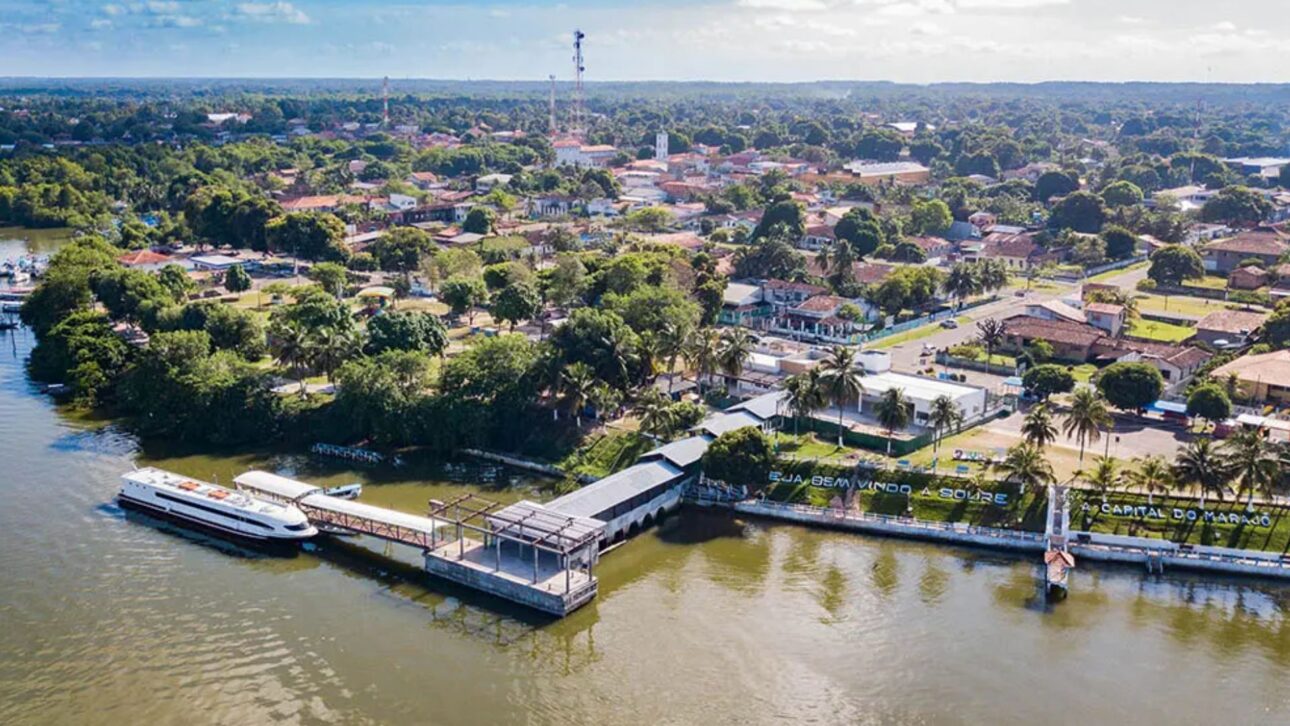
Access to Joanes Island and other areas of the Marajó Archipelago occurs by ferry or speedboat from Belém, the capital of Pará.
The crossing takes approximately three hours and allows travelers to observe the diversity of the region’s ecosystems.
The tourist infrastructure is still limited, contributing to keeping the place a refuge with a low visitor density.
Cultural and Environmental Experiences in Marajó
The interest in silent luxury experiences is associated with the desire for direct contact with nature, local hospitality, and participation in traditional activities.
On Joanes Island, some accommodations are managed by locals, allowing direct interaction with those who live in the area.
The absence of large tourist developments favors the preservation of local characteristics and a more reserved environment.
Among the most sought-after activities are:
- Boat tours through the igarapés
- Trekking in native forest
- Visits to pottery studios and artisan production centers
- Observation of the sunset on freshwater beaches
Sustainability and Environmental Preservation
The recognition of Marajó as an experiential tourism destination is accompanied by initiatives from public and private entities that seek to ensure environmental preservation and local development.
Workforce training projects, support for handicrafts, and ecosystem protection have backing from institutions such as Sebrae (Brazilian Service of Support for Micro and Small Enterprises) and environmental organizations.
The goal of these initiatives is to enable tourist growth to occur sustainably, respecting culture and natural resources.
Accommodations frequently organize cooking workshops, cultural activities, and moments of interaction with residents.
The service prioritizes exclusivity and proper fitting to the local landscape, promoting experiences aligned with the profile of those visiting the location.
Projections for Amazonian Tourism
The Marajó Archipelago is experiencing increased national and international visibility, with expectations of establishing itself as a reference in silent luxury tourism in the Brazilian Amazon.
The offering of authentic experiences, preserved landscapes, and unique hospitality helps position Joanes Island as an alternative for those who prioritize contact with natural environments and regional cultural practices.
In view of this scenario, the growth of silent luxury tourism may encourage other Amazonian territories to adopt similar strategies based on exclusivity, sustainability, and appreciation of the individual experience.
What more can be done to ensure that the expansion of silent luxury tourism contributes to local development without compromising the environmental balance of the Amazon?





-

2 people reacted to this.