






 Portuguese
  Spanish


Discover an Underwater Mountain Range As Large As a Country, With Rare Minerals, Unique Ecosystems, and a Millennial Geological History Revealing Fascinating Secrets of the Atlantic Floor Still Little Explored by Science and Industry.
At the Heart of the Atlantic Ocean, About 1,300 Kilometers from Porto Alegre, Lies the Rio Grande Elevation, an Immense Underwater Mountain Range Extending Three Times the Area of the State of Rio de Janeiro, Approximately 150,000 km².
This Geological Formation, Which Was Once an Archipelago About 40 Million Years Ago, Holds a Fragile Ecosystem and Rare Mineral Wealth, Sparking International Scientific and Economic Interest.
According to an Expedition Conducted in 2018 by the Oceanographic Institute of the University of São Paulo (IO-USP), the Rio Grande Elevation was Mapped with Unprecedented Detail Thanks to the Research Vessel Alpha Crucis.
-
The Transparent Plastic Pen That Sold Over 100 Billion Units, Becoming the Best-Selling Pen in History Across Five Continents

-
Brazilian Startup Develops Solar-Powered Mobile Factory, Recycles 100,000 Panels in Under a Year, Recovering Silver and Copper
-
Your Door Lock, Gate Padlock, and Hotel Key Card Likely Come from the World’s Largest Lock Manufacturer, the Swedish Group Behind Yale and Brazil’s Papaiz
-
Major Brazilian Ethanol Producer Becomes Largest Owner of Planted Forest in Mato Grosso, Aiming to Power Plants with Renewable Energy Instead of Fossil Fuels


Flattened Tops, Stepped Marine Terraces, Fluvial Channels, Dunes, Caves, and Even Remnants of Mangroves Were Identified, Indicating the Presence of an Environment That Was Once Above Sea Level.
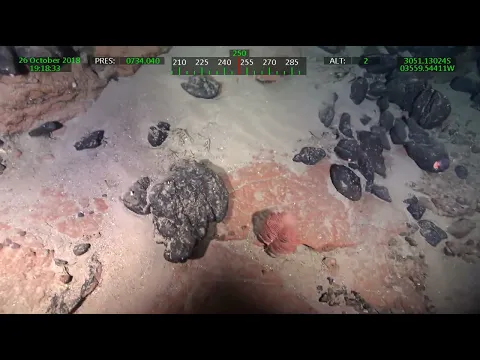
The Expedition Also Collected Valuable Samples of Volcanic Rocks, Corals, and Sponges Living on the Walls of a Central Rift, Revealing the Complexity of Marine Life in the Area.

Strategic Importance and Mineral Wealth
The Rio Grande Elevation Has Been the Target of Intense Research Since 2015, When the International Seabed Authority (ISA) Authorized the Geological Survey Company (CPRM) to Economically Explore Iron and Manganese-Rich Crusts.
These Crusts Contain Rare Minerals Such as Cobalt, Nickel, Molybdenum, Niobium, Platinum, Titanium, and Tellurium — Essential Elements for the Technology Industry.
In 2018, the Brazilian Government Requested the UN to Expand the Continental Shelf to Include the Elevation, Reinforcing Its Strategic Importance for the Country.
According to Geologist Roberto Ventura Santos, Former Director of CPRM, Data Collection Was Crucial for This Territorial Claim.
Studies Conducted by Brazilian and Foreign Institutions, Such as the United States Geological Survey and Kingston University in the UK, Reveal That This Underwater Mountain Range Is Part of an Ancient Connection Between South America and Africa.

Geological History of the Rio Grande Elevation
In the Distant Past, About 146 to 100 Million Years Ago, the Rio Grande Elevation Was Part of the Supercontinent Gondwana.
The Gradual Separation of Gondwana, Driven by Tectonic Movements and Internal Heat of the Earth, Led to the Formation of the South Atlantic, Separating South America from Africa.
Until About 80 Million Years Ago, the Rio Grande Elevation Was Joined or Very Close to the Walvis Ridge, a Huge Submarine Mountain Range Located 600 km from Namibia, Africa.
Research Led by Geophysicist Michelle Graça, from CPRM, Shows That 50 Million Years Ago, the Two Elevations Were Already Separated, Developing Distinct Characteristics: While the Walvis Maintains Its Mountain Range Shape, the Rio Grande Elevation Appears as a Flat-Top Plateau.
Volcanic Activity Ceased at the Rio Grande Elevation Between 44 and 40 Million Years Ago, When the Range Began to Submerge, Possibly Due to the Weight of the Volcano and the Movement of Tectonic Plates.

Surprising Geological Discoveries
Interestingly, the Rocks Comprising the Rio Grande Elevation Have Age and Composition Similar to Those Found on the African Continent.
According to Michelle Graça and Roberto Santos, the Samples Collected Indicate That This Submerged Region Belonged to the African Side of Gondwana, Contradicting the Previous Idea That It Was Merely a Volcanic Formation of the Ocean Floor.
This Surprising Discovery Brought a New Geological Understanding of the Bottom of the South Atlantic and Opened Doors for Future Research on Continental Evolution.
Unique Biodiversity and Ecological Fragility
Beyond the Geological Aspects, the Rio Grande Elevation Houses a Unique and Vulnerable Ecosystem.
Biologist Paulo Sumida, from IO-USP, Highlights the Discovery of the Symbiotic Association Between the Sponge Sarostegia oculata and the Anemone Thoracactis topsenti, One of the First Occurrences of This Type in the South Atlantic.
This Complex Biological Relationship Creates Coral-Like Structures, Demonstrating the Richness and Uniqueness of Marine Life in This Submerged Region.
The Local Biodiversity, Still Little Known, Is Being Detailed by Researchers Like Paulo Corrêa, Who Has Already Identified Likely New Species in the Area.
However, the Renewal of This Environment Is Very Slow, Making the Region Especially Susceptible to Environmental Impacts.
Vivian Pellizari, a Biologist at IO-USP, Explains That the Iron and Manganese Crusts Harbor Exclusive Microbial Communities, Which Depend on Bacteria Capable of Producing Oxygen from Ammonia and Sulfate to Survive.

Challenges for Sustainable Preservation and Exploration
This Ecological Sensitivity Concerns Scientists in Light of the Advancement of Submarine Mining Projects, Even Though Technologies for Extraction at Depths Above 700 Meters Are Still in the Initial Phase.
Frederico Brandini, from IO-USP, Reminds Us That These Organisms Have Existed for Millions of Years, Surviving in Extreme Conditions and Low Nutrient Concentrations. Any Intervention Could Threaten the Extinction of These Ancient and Fragile Life Forms.
The Project “Marine Ferromanganese Deposits: A Major Resource of E-Tech Elements,” Coordinated by Brandini and Funded with Nearly 9 Million Reais, Aims to Better Understand the Biological and Chemical Composition of the Rio Grande Elevation to Guide Future Environmental and Economic Policies.
In Summary, the Rio Grande Elevation Is a True Treasure Hidden Beneath the Atlantic, Combining a Fascinating Geological History, Valuable Minerals, and a Rare and Delicate Ecosystem That Still Needs to Be Protected and Better Understood.
In Light of These Facts, an Important Question Remains: How to Balance the Economic Exploitation of Seafloor Resources with the Environmental Preservation of Such a Unique and Fragile Ecosystem?


