Portuguese
  Spanish


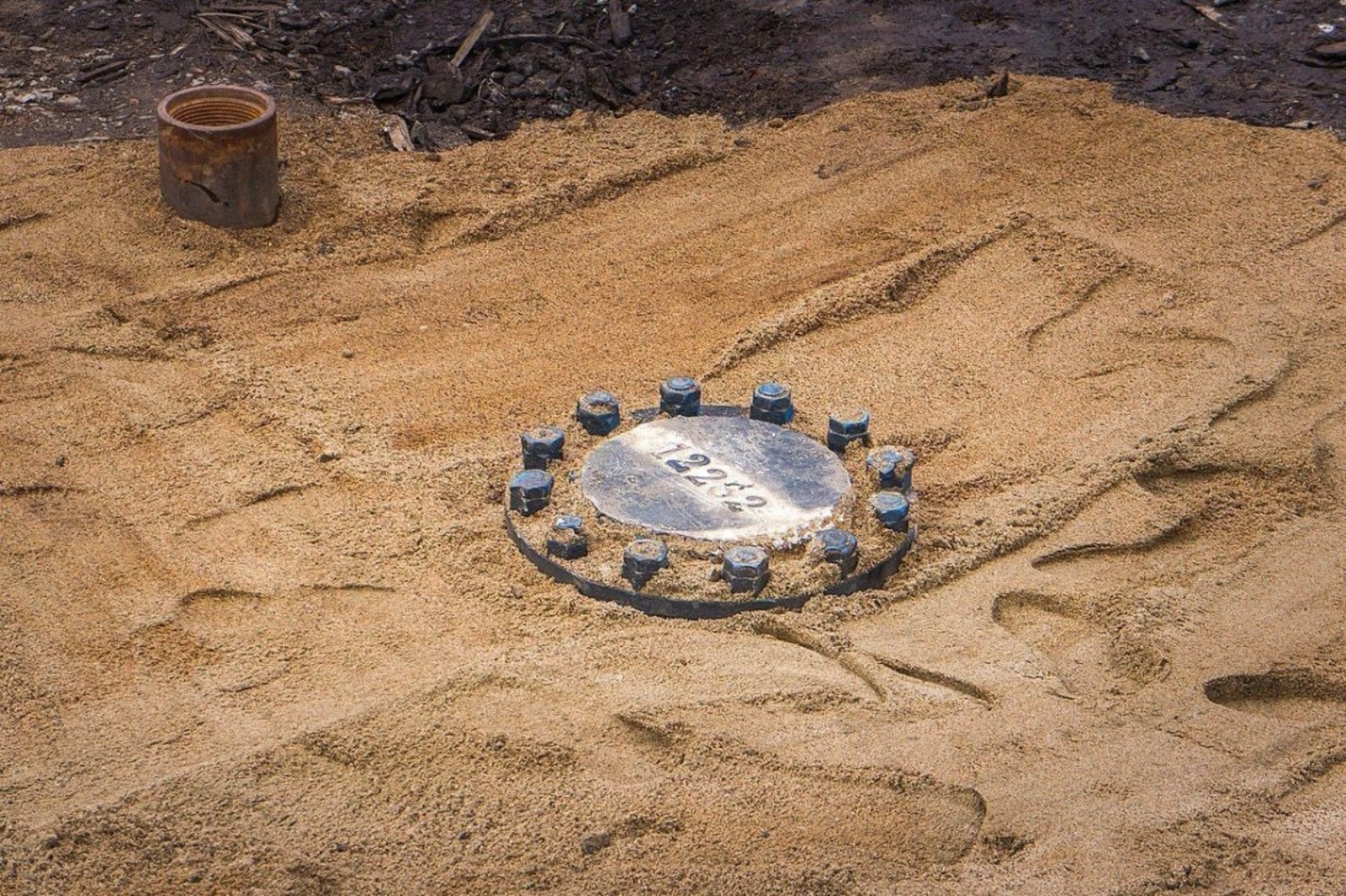


For More Than Two Decades, Soviet Scientists Drilled the Soil of the Kola Peninsula in Search of Deep Geological Knowledge, Facing Extreme Heat, Technical Failures, and the Collapse of the Soviet Union That Led to the End of the Project
The Kola Superdeep Borehole, located in the far north of Russia, is still remembered as one of the boldest scientific projects of the 20th century. Created by the former Soviet Union, the experiment of the ‘deepest hole in the world’ aimed to explore the deepest layers of the Earth’s crust but was eventually abandoned decades later.
The Scientific Race of the Cold War
Started in 1970, the project was born at the height of the Cold War. The drilling had no economic ends, as it was not looking for oil or minerals.
The purpose was strictly scientific: to reach the deepest point possible to study the composition of the planet.
-
Scientists Convert Food Waste into Aviation Fuel, Successfully Test 50% Blend with Conventional Kerosene to Cut Emissions and Promote Sustainable Flights

-
OnePlus N6 Smartphone to Launch in India with 8,000mAh Battery and 45W SuperVOOC Charging, Lasting Up to Three Days
-
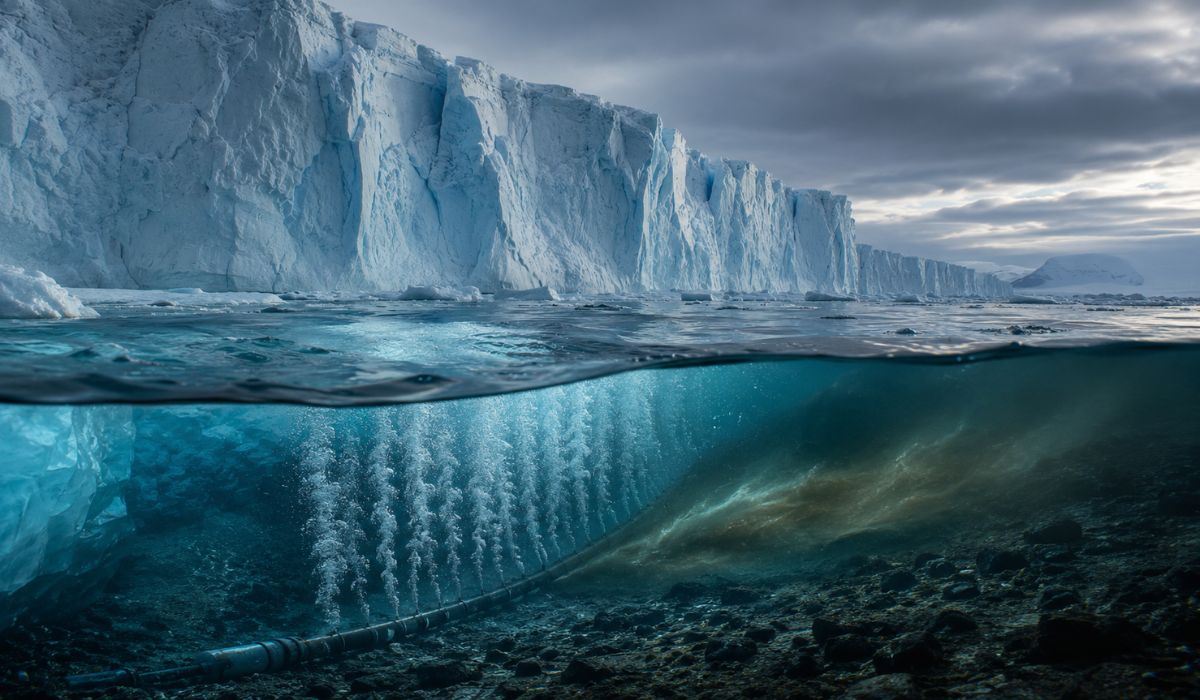
Scientists Plan to Release Air Bubbles Underwater to Protect Antarctica’s “Doomsday Glacier” from Melting

-
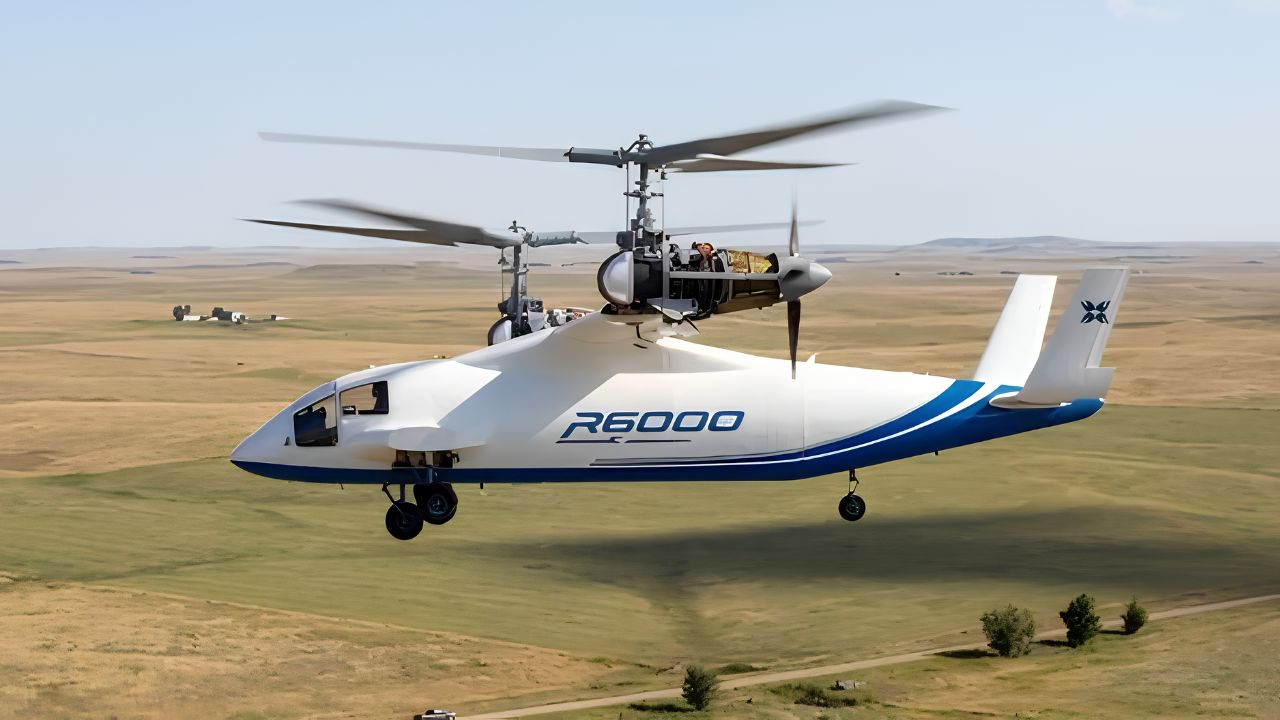
Chinese R6000 Drone Combines Airplane and Helicopter Features, Carries Up to 12 People for Multiple Missions

Over more than twenty years, engineers managed to drill an impressive 12,262 meters, a world record that remains today.
During the process, remarkable discoveries emerged, such as the presence of water at unimaginable depths and microscopic fossils dated to billions of years.
Technical Challenges and Unbearable Temperatures in the Hole
The progress, however, came at a price. The heat found in the inner layers surprised scientists. Measurements indicated temperatures close to 180 °C — nearly double what was expected.
Because of this, the drill bits and cables used for drilling began to deform. With every additional meter, the resistance increased, and costs became prohibitive.
Even with cutting-edge technology, the metal structure could not withstand the extreme conditions.
The Collapse and Abandonment of the Deepest Hole in the World
In addition to the technical problems, the collapse of the Soviet Union in 1991 represented the final blow. With the end of state funding, the project was officially closed the following year.
The site ended up being abandoned, and over time, the facilities began to deteriorate. Intense winds and constant snow accelerated the destruction.
For safety, the well was finally sealed with a welded metal cap in 2008.
Even without reaching the Earth’s core, the Kola Borehole remains a landmark of engineering and human curiosity about what lies beneath our feet.
With information from CNN.