






 Portuguese
  Spanish


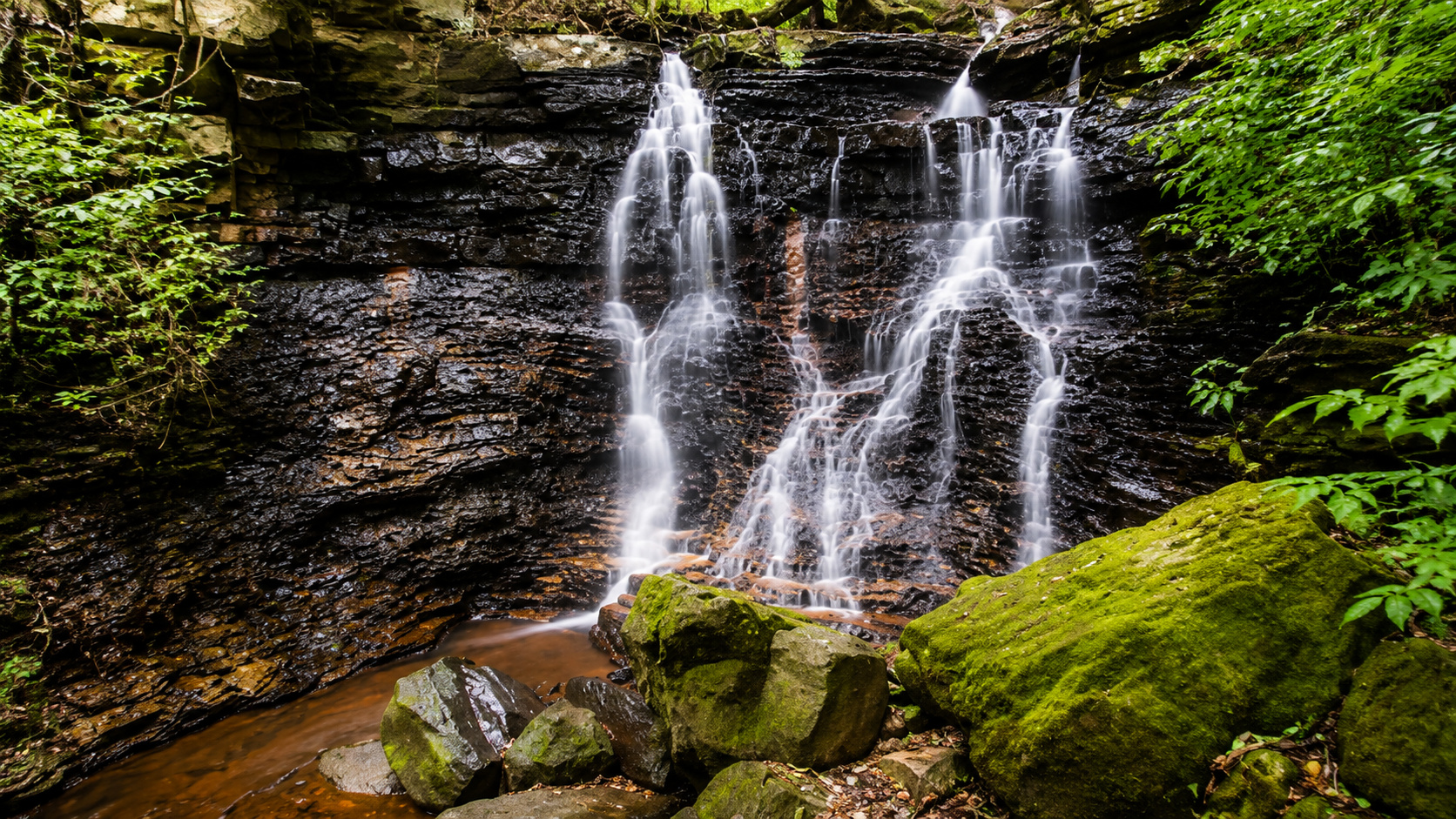

The phenomenon impresses with its unusual appearance, but has a scientific explanation linked to the force of the wind, the height of the waterfalls, and the conditions of the terrain
A rare scene recorded in Brazil has once again caught attention on social media and sparked the curiosity of visitors, researchers, and nature lovers. The so-called inverted waterfall makes the water appear to rise instead of fall, creating an image that, at first glance, seems to defy gravity. The phenomenon gained prominence in 2026 after recordings made at the Murimbeca Waterfall in the Ubajara National Park in Ceará, and is also known at the Fumaça Waterfall in the Chapada Diamantina in Bahia. Despite the visual impact, the explanation lies in the combination of strong wind, mountainous terrain, waterfall height, and water transformed into fine droplets.
Strong wind explains the effect of the inverted waterfall
The water appears to rise because intense gusts blow against the natural flow of the waterfall and push the droplets upwards or backwards. The effect does not alter any laws of physics but creates an impressive visual illusion when the wind meets sprayed water at great altitude. The mechanical force of the air currents carries light particles in suspension and transforms the waterfall into a kind of moving mist. Therefore, the greater the height of the waterfall and the stronger the wind, the greater the chance of observing the so-called reverse waterfall.


Natural conditions make the phenomenon possible
The phenomenon depends on a specific combination of environmental factors and does not occur at just any waterfall. According to information cited by the CPRM, Geological Survey of Brazil, the elevated height favors the fragmentation of water into small droplets, while the wind can transport this liquid mass in suspension. Among the necessary factors are intense gusts against the flow of water, high waterfall, mountainous or cliff terrain, and fine droplets, which are easier to carry. This combination explains why the spectacle appears mainly in mountainous areas open to the action of the wind.
-
Mother and Daughter Convert Small Garage into Full Apartment to Save Money and Stay United

-
Woman Leaves Restaurant Job to Become a Builder in Brazil, Launches Her Own Construction Brand “Construcida”

-
Mother and Daughter Turn Abandoned Warehouse Find into Million-Dollar Business in the U.S., Uncovering 25,000 Caps, 10,000 Sneakers, and Rare Apparel from Nike, Adidas, and Puma
-
After Nearly 30 Years at Beto Carrero, Elephant Baby Begins New Life at Sanctuary in Brazil’s Mato Grosso


Ceará and Bahia gather remarkable records
The most recent occurrence was in 2026, at Cachoeira da Murimbeca, located in the Serra da Ibiapaba, within the Ubajara National Park, in Ceará. The images showed the water being pushed upwards by the gusts, leading many people to compare the scene to digital effects. In Bahia, the Cachoeira da Fumaça also draws attention for the same behavior. With about 340 meters of drop, it turns part of the water into mist before reaching the base. With strong winds coming from the Vale do Capão, this curtain of droplets can appear to fall in reverse.
Spray effect helps to understand the rising water
Science compares this behavior to the so-called spray effect, observed on beaches and ocean waves during windy days. In these cases, small water particles are ripped from the surface and carried through the air. In the inverted waterfall, the principle is similar, as the wind acts on light droplets and changes their trajectory before they reach the ground. Thus, the scene seems extraordinary, but it arises from a simple physical process, visible only when natural conditions align.

Rainy season increases the chances of observation
The occurrence of the phenomenon tends to be more likely in the first half of the year, when the rains increase the flow of the waterfalls and the amount of available water. Even so, the wind remains a decisive factor in creating the effect. Visitors who wish to observe the rising water need to seek out tall waterfalls in mountainous regions, preferably on days with strong gusts. Even with planning, the appearance remains unpredictable, as it depends on specific atmospheric conditions.
The natural spectacle in a broader context
The inverted waterfall shows how the interaction between terrain, wind, and water can transform a common landscape into a rare visual phenomenon. Brazil offers favorable scenarios for this type of occurrence, especially in mountainous areas like the Serra da Ibiapaba and the Chapada Diamantina. The scientific explanation reduces the mystery but does not diminish the impact of the scene. On the contrary, it helps to understand why an apparently impossible event can happen before the eyes of any attentive visitor.
The future of inverted waterfall records in Brazil
With the popularization of videos on social networks, natural phenomena like the upside-down waterfall are likely to gain even more visibility in the coming years. New recordings can emerge whenever strong wind, elevated terrain, and sprayed water combine at the right moment. Between Ceará and Bahia, these scenarios remain points of interest for those seeking unusual landscapes, simple scientific explanations, and images capable of surprising.
Would you wait for the right wind to see a waterfall appear to climb before your eyes?


