






 Portuguese
  Spanish


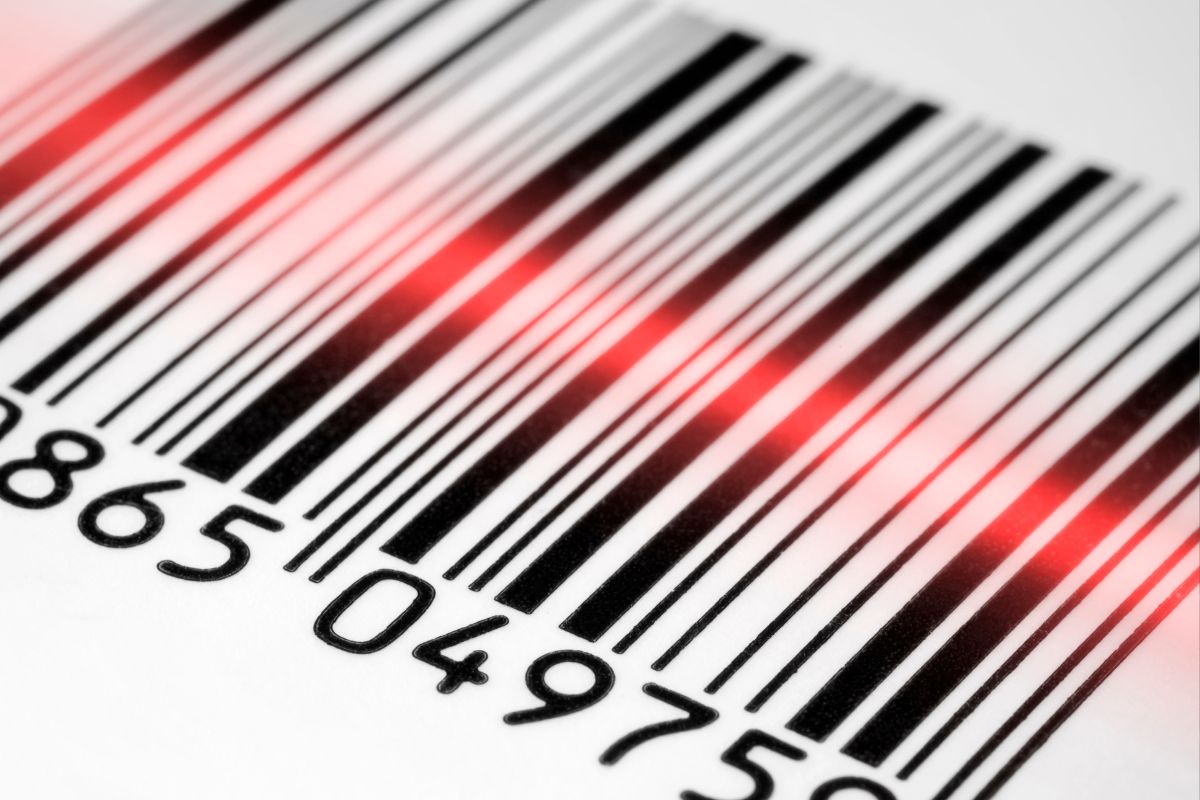
The Barcode Is Much More Than a Design: It Is the Silent Hero That Transformed Global Commerce. Discover the Fascinating History of This Invention, Its Secrets and How It Continues to Shape the Way We Buy and Sell
Have you ever stopped to think about those black and white stripes that we see on every product? The barcode! It seems so common. We don’t even realize it, but it is responsible for a giant revolution in commerce. Without it, the supermarket line would last forever, and finding your favorite product on the shelf would be like a treasure hunt. It simplifies our lives, speeds things up, and connects the world in ways we can’t even imagine.
We are going to dive into the incredible history of the barcode. From the initial idea, just as it emerged, to how it became this essential tool that drives global commerce. We will understand how it optimized logistics, retail, and opened the doors for tons of innovations that are still to come.
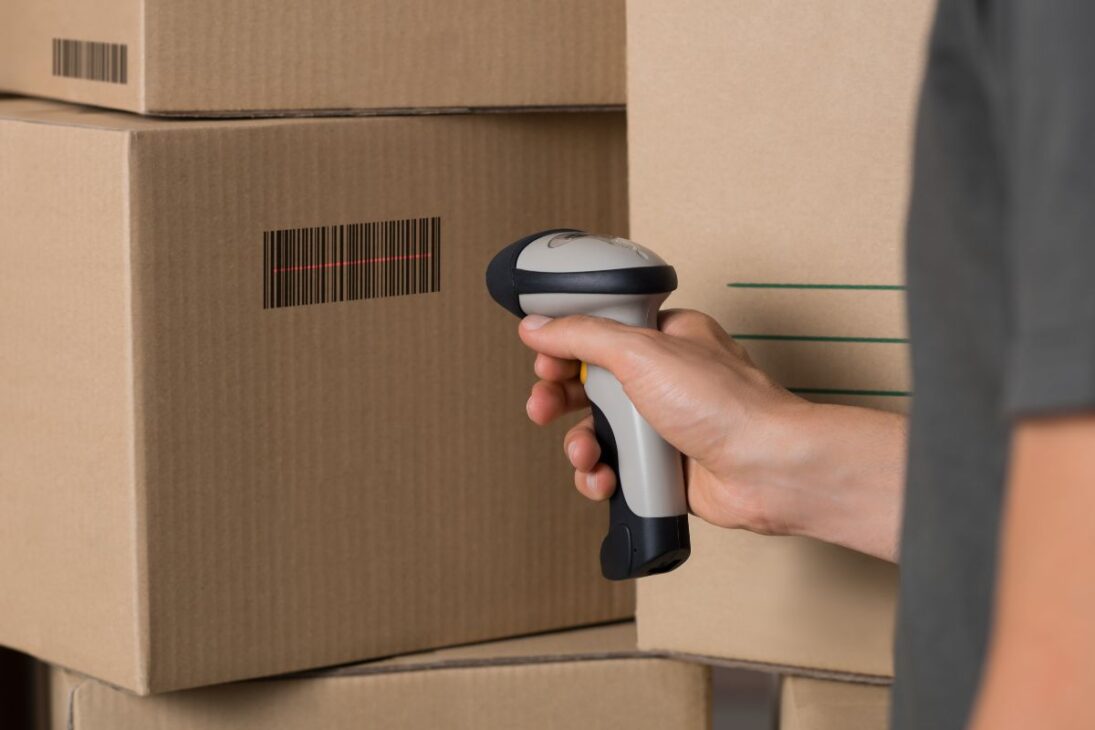
The Fascinating History That Gave Birth to the Barcode
The history of the barcode began in 1948, when a very connected student, Bernard Silver, overheard a conversation that changed everything. The college dean was chatting with a supermarket manager, and the problem was this: the checkout was a mess. Slow, full of errors, a real headache. This conversation sparked an idea in Bernard’s mind, and he quickly called his invention partner, Norman Joseph Woodland. Together, they took on the challenge of solving this problem.
-
Young Innovators from Brazil Turn Discarded Plastic into Eco-Friendly Bricks Using Coconut Fiber, Offering a Sustainable Alternative for Construction

-
How Many Outlets Should Each Room Have? Guidelines Suggest 6 to 10 in the Kitchen, One Every 3.5 Meters in Living Rooms, and Specific Recommendations for Bedrooms, Bathrooms, Laundry Rooms, and Outdoor Areas

-
Family Turns Homemade Cheese Bread Recipe into a $17 Million Frozen Foods Business with 200 Tons Monthly Production and Over 1,400 Clients
-
Brazilian Scientists Among Team Proposing to Turn Ocean Depths into Giant Gravity Battery Using Cargo Ships and Subsea Cranes




Woodland, who was a genius at inventing things (and already understood Morse code), had a brilliant idea. He thought, “Why not adapt Morse code to identify products?” Initially, he thought of special inks that glowed in the dark, but soon realized that wouldn’t work; it was too expensive and complicated.
The big turning point happened on Miami Beach. Woodland was drawing lines in the sand when suddenly… the idea of using parallel lines to store information popped into his head. A brilliantly simple concept! Instead of dots and dashes, there would be thin and thick bars. And thus, the visual idea of our beloved barcode was born!
A Brilliant Idea That Waited for Its Time
On October 20, 1949, these two geniuses, Silver and Woodland, filed the patent for their invention. Their initial design was somewhat different; it looked like a shooting target (called a “Bull’s Eye”), which was nice because it could be read anyway. But the technology at the time wasn’t ready to keep up with such brilliance. Scanners were huge, expensive, and printers couldn’t produce a barcode with the required precision. For more than ten years, the patent sat quietly, waiting for technology to catch up.
In 1962, the patent was sold to Philco, which later sold it to RCA. The RCA tried to develop it, but cost was still a big challenge. It wasn’t until the 70s, when lasers became cheaper and computers smaller, that the barcode finally began to dream of leaving the paper and entering our lives. The story of Woodland and Silver is a testament to the fact that we must not give up on a good idea, even if it needs to wait a bit for technology.

The Magic of Standardization: The Secret Behind the Success of the Barcode
Creating the barcode was a big step, but the real “boom” happened when everyone decided to speak the same language. If every company created its own code system, it would be a complete mess. So, in 1970, a group of supermarkets in the United States came together to find a solution that worked for everyone. After a lot of proposals, they chose the Universal Product Code (UPC), which IBM developed with the help of a man named George Laurer and his team. This was in 1973 and marked an era.
The UPC became the standard, like a unique ID card for each product. With it, any store with a scanner could read the information of any product. The first item to pass through checkout with a scanned UPC barcode was a pack of Wrigley’s Juicy Fruit gum.
This happened in Troy, Ohio, on June 26, 1974. A historic date that marked the beginning of a new phase for commerce. With this standardization, efficiency skyrocketed. Lines decreased, pricing errors vanished, and managing inventory became a breeze. Companies could track the product from the factory to your home, optimizing the entire journey.
The Secret Behind Global Success
The adoption of UPC, and later other global standards like EAN (which is now part of GS1), was essential for the barcode to spread worldwide. The GS1 organization, which is global and non-profit, is the big guardian of these standards, ensuring that codes are unique and readable anywhere. That’s why a product made in China can be easily scanned here in Brazil. This collaboration and arrangement between companies transformed a good idea into a tool that we can hardly imagine living without today.
The Benefits That Made the Barcode Essential
The arrival of the barcode was like a blessing in the world of commerce, bringing a flood of benefits that changed everything. First, speed. Remember how it was before? The cashier typed in price after price; it felt like an eternity. With the scanner, it’s done in the blink of an eye. Less waiting, more customers served, and everyone is happy. And this agility isn’t just in the supermarket; it’s in warehouses, distribution centers, and transport companies… the movement of goods gained a turbo boost. More speed means more productivity.
And the accuracy is outstanding! Those pricing errors during checkout almost don’t exist anymore. The barcode eliminates human error, ensuring that the price is always what was programmed. This not only prevents losses for the store but also builds immense trust with us, the consumers. In inventory management, accuracy is even more vital. Knowing exactly what you have, where it is, and when you need to buy more is a huge advantage. It reduces waste and ensures that your favorite product is always there, waiting for you.
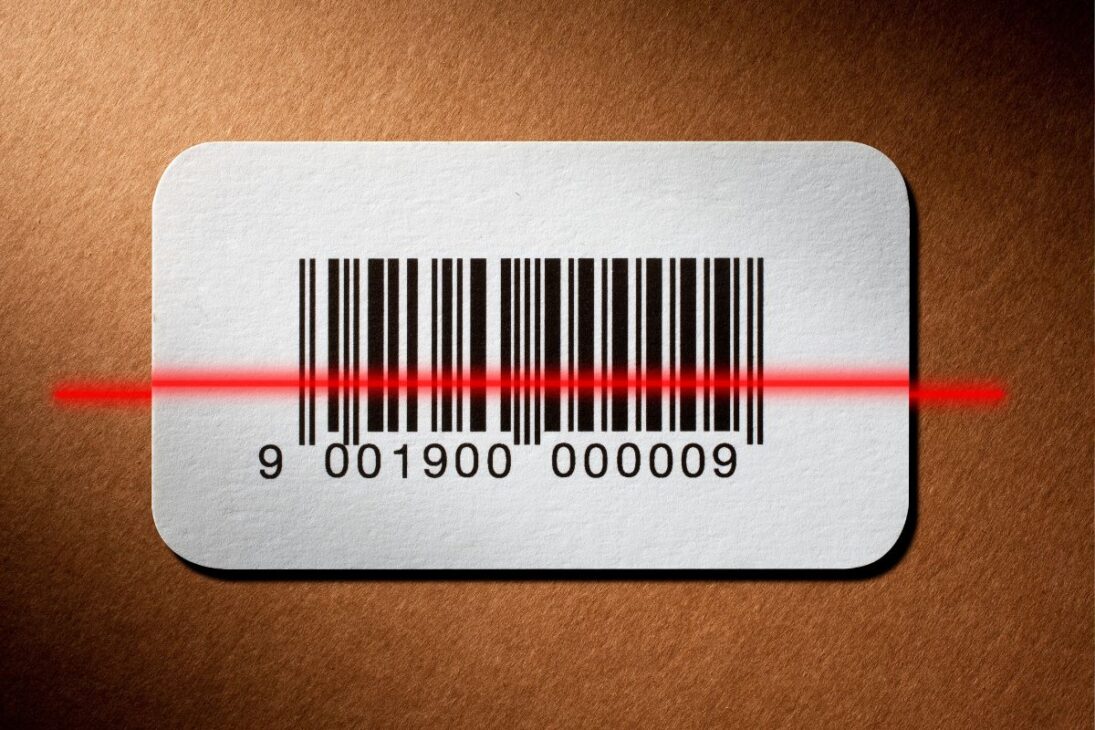
Barcode: The Maestro of Organization and Intelligence
And there’s more: the barcode is the master of inventory organization and logistics. Companies can see inventory in real-time, like a very modern crystal ball. This means fewer products sitting idle, less “frozen” money, and a super agile supply chain. They can quickly know what is selling best, what needs a promotion, and what is stuck.
Smart decisions about purchasing, marketing, and distribution can be made. Logistics becomes a finely-tuned orchestra where every product movement is tracked from the factory to the shelf. This tracking capability is a treasure, especially for products that require strict control, like medicines or food. It’s the safety we need.
The barcode opened the doors to a universe of valuable information! Every time a barcode is scanned, it generates data about what we buy, when, what we prefer, if a promotion worked… This information, when analyzed, gives companies enormous power.
They can improve sales, organize the store in smarter ways, create personalized promotions, and, ultimately, grow. That’s why the barcode is much more than a bunch of stripes; it’s a business intelligence engine that keeps evolving, adapting to every new thing, whether online or in physical stores.
The Various Types of Barcode and Where They Shine
We talk a lot about UPC, but the world of barcodes is much broader and full of varieties. Each type has its own way and ideal application. Knowing a bit about them can be useful, especially if you work with stores, inventory, or production.
Let’s Take a Look at the Most Common Ones:
- UPC (Universal Product Code): This is the king in North America, especially for supermarket products. It has 12 numbers and is that classic of black and white bars that we know by heart.
- EAN (European Article Number): Very similar to UPC, but it is the international standard for products outside North America. EAN-13 has 13 numbers, and EAN-8 is for smaller products. The great thing is that they work well with UPC systems, making life easier for global trade.
- Code 39: This was one of the first barcodes that could mix letters and numbers. It is widely used in factories and warehouses to track parts and equipment because it’s very durable and easy to print.
- Code 128: More modern and “smarter” than Code 39, Code 128 can hold a lot more information in a small space. It’s perfect for shipping boxes and labels that need a lot of data, like batch numbers or expiration dates.
- QR Code (Quick Response Code): It isn’t exactly a linear barcode; it’s more like a “magic little square” that is two-dimensional. But it deserves mention because it does amazing things. It stores a ton of information: website links, texts, contacts, videos… It’s used in marketing campaigns, mobile payments, and to provide more details about a product. Just point your phone, and the magic happens.
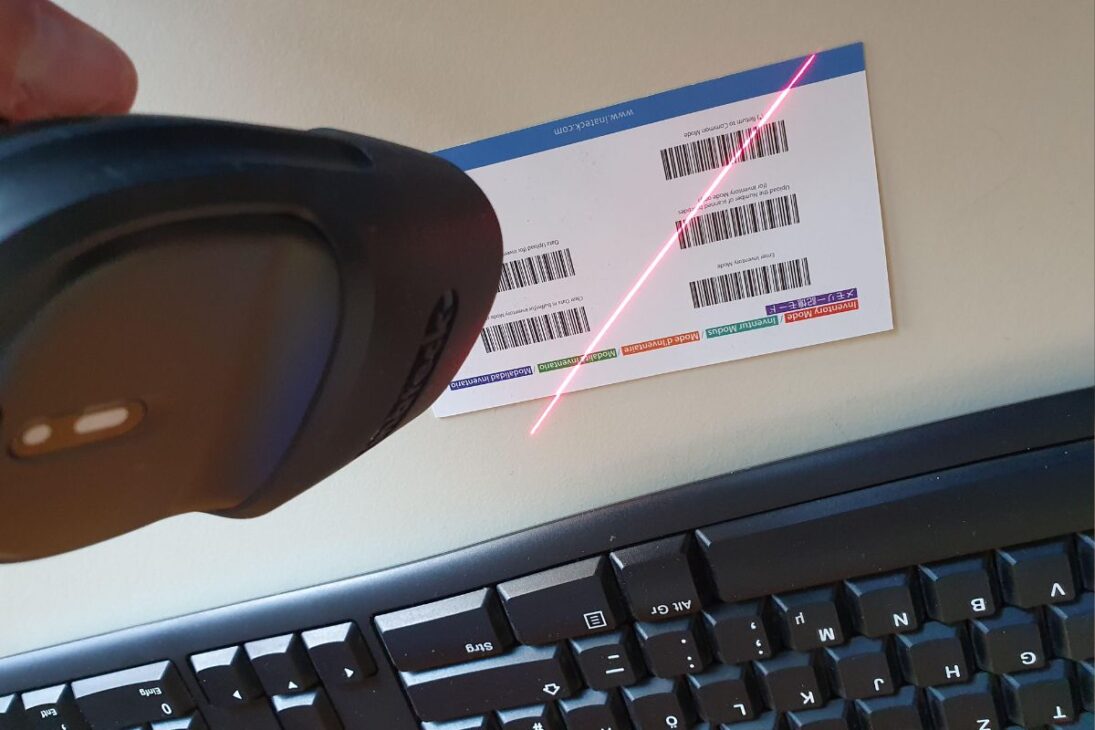
The Ideal Barcode for Each Need
Choosing the right type of barcode is like choosing the right tool for each job. For store products, UPC and EAN are the best options. For internal control in factories, Code 39 and Code 128 do well. And to interact with customers, the QR Code is fantastic. The barcode keeps reinventing itself, proving that technology is made to adapt and help us more and more.
Tips for Implementing Barcode in Your Business
If you have a business that deals with physical products, implementing the barcode is crucial. It’s not just a detail, it’s the difference between a smooth-flowing business and one that gets stuck. Ignoring this can turn into a huge headache, with errors and losses. First of all, the golden tip: your barcodes need to come from a trusted source, like GS1 Brazil.
They are the officials who provide you with GTIN numbers (the CPF of your product!), ensuring that your code is unique and recognized anywhere in the world. Buying from unauthorized resellers can lead to issues, such as repeated codes, and then your product may not be accepted in major stores.
Next, choosing the right equipment is crucial. You will need barcode scanners. There are options ranging from the simplest ones for beginners to super powerful ones for huge warehouses. Think about the volume of products you have, the work environment (do you need a strong scanner for a rougher place?), and, of course, your budget. And don’t forget about software. Having a point of sale (POS) system or inventory control (ERP) that works well with the scanners is essential. This way, when you scan a product, the information (price, stock) gets updated in real-time, without stress.
The Art of Printing and Managing Your Barcode
Moreover, printing barcodes also deserves special attention. Generally, for mass-produced products, quality printing comes directly on the packaging, which is great. But for those who make handmade products or need price tags, thermal printers are a handy solution, as they are practical and efficient.
However, the secret is to ensure that the printing is clear, without smudges, so that the barcode can be easily read by any scanner. Always test your codes on different scanners before using them for real. This is because poorly printed codes are a recipe for stuck lines and impatient people.
Lastly, but not least, the ongoing management of barcodes is a never-ending task. It’s necessary to update product data, check if codes are readable, and resolve any little problems that may arise. Keeping an organized and updated database is the key to getting the most out of your system. Investing time and effort in this will ensure that this simple tool continues to be a huge accelerator for your business, giving you more peace of mind and less headache.
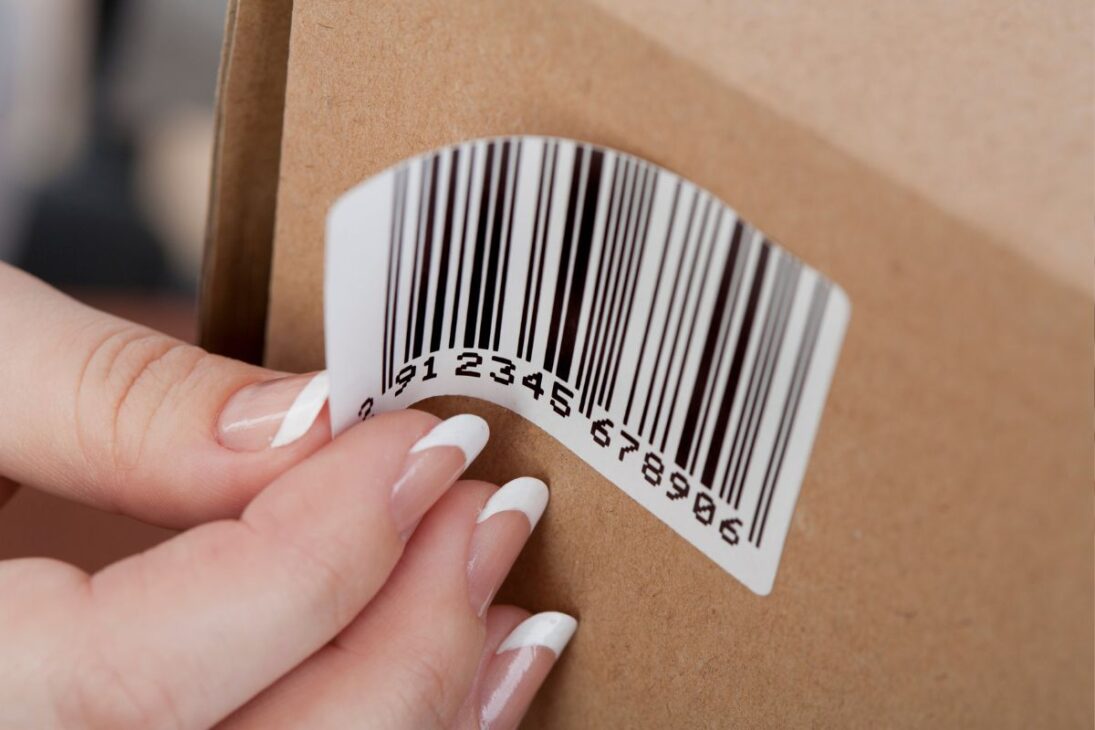
The Bright Future of the Barcode and Where It Will Take Us
Even with all this history, the barcode is not a thing of the past. It is always reinventing itself, adapting to the latest trends in commerce. The quest for more information and more advanced technologies is giving a little push to this evolution. One of the coolest things we’re seeing is the rise of 2D codes, like our friend QR Code.
They can store a world more information than traditional barcodes. You can include expiration dates, batch numbers, links to product videos, nutritional information, and even the origin of the item. This is super important nowadays. We want to know where what we buy comes from.
Another technology that is booming is RFID (Radio-Frequency Identification). It doesn’t have visible stripes, but these are chips that store information and can be read without needing to “see” the product. Imagine how quickly you can count an enormous inventory or track goods.
For now, it’s still a bit pricey to use for everything, but it is already quite common in more valuable products like designer clothes and electronics, as well as in security systems. And there’s more: the barcode is joining artificial intelligence. This allows for super sophisticated analyses of what we are buying and how to optimize inventory. It’s technology working for us in an increasingly intelligent way.
A Genius Idea Born on the Beach
And you know what’s cooler? Besides that, the barcode is connecting the physical world with the digital world in an absolutely incredible way. For example, it allows us to scan a product in the store to see other customers’ opinions online, or compare prices, make bill payments, and even buy online if the product isn’t there at the moment.
Consequently, this integration makes our shopping experience much richer and more convenient. At the same time, it also helps stores understand us better, as it generates valuable data. In short, the barcode, in all its forms, will continue to be a great partner. However, it will come with many more functions than just marking the price. Indeed, it will be a gateway to a universe of information and digital interactions. Therefore, the future is knocking at our door.
A Simple Standard, A Huge Legacy
From Norman Joseph Woodland’s sketch in the sand to supermarket shelves around the world, the barcode is a living proof of how a simple idea, when well made and standardized, can completely change the game.
It’s not just a shopping facilitator; it’s a motor that accelerated global commerce, a partner that brought organization to inventory, optimized logistics, and provided tons of valuable information to companies of all sizes. Its history is a lesson that innovating and working together is the way to overcome challenges and create solutions that benefit all of us.
In an increasingly connected and fast-paced world, we need efficiency and precision more than ever. The barcode, with all its facets, will continue to be a key player in this evolution, adapting and connecting with new technologies to meet our ever-changing needs. It is a gentle reminder that sometimes the most powerful inventions are those that become such a part of our daily lives that we hardly notice them, but without them, our lives would be drastically different.
And you, have you ever stopped to think about the importance of the barcode in your daily life? Tell us in the comments! Your experiences and questions are super important for us to continue this conversation. Let’s interact and learn together.


Be the first to react!