






 Portuguese
  Spanish
  3 min of reading
  3 comments


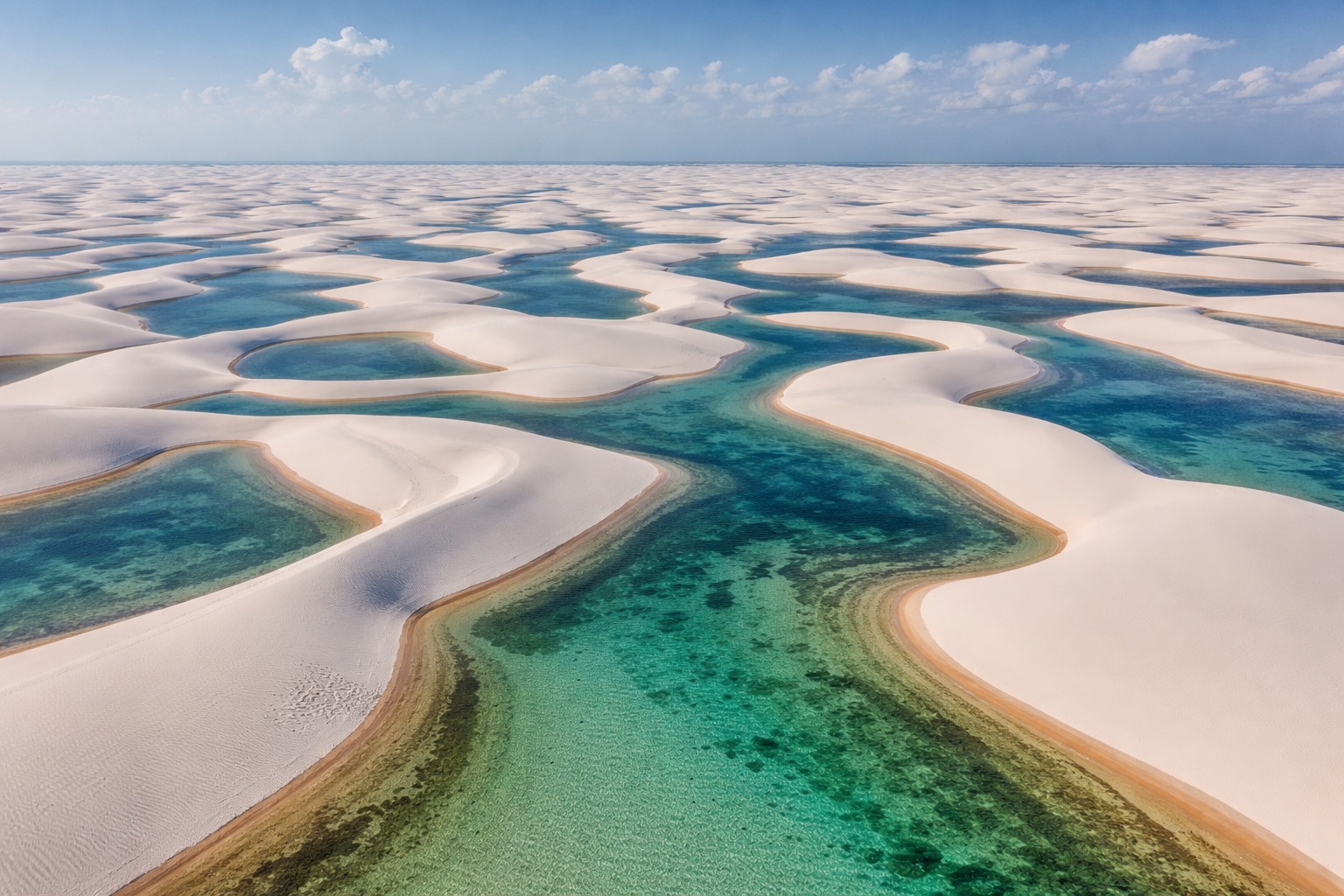


Lençóis Maranhenses National Park, with over 150 thousand hectares and dunes up to 40 meters tall, is declared a Natural Heritage Site by UNESCO in July 2024
The Lençóis Maranhenses National Park, in Maranhão, was declared a Natural Heritage Site by UNESCO in July 2024, recognition that highlights its unique biodiversity, dunes up to 40 meters tall, and an area exceeding 150 thousand hectares.
Lençóis Maranhenses: International Recognition and Global Relevance
The title granted by UNESCO in July 2024 consolidated Lençóis Maranhenses as one of the most relevant and admired tourist destinations in the world.
The international recognition highlights the region’s unique biodiversity and its sand dune formations.
-
Survivor of 1966 SS Daniel J. Morrell Shipwreck in Lake Huron Recounts 38-Hour Ordeal in Extreme Cold

-
The Greatest Hoax in World Cup History? The Film That Denied Brazil’s 1958 Victory and Exposed How Fake Evidence Can Seem Convincing on TV
-
Fake South Korean Online Stores Offer Shopping Thrill Without Spending Money or Receiving Products
-
The War of Jenkins’ Ear: How a Severed Ear Sparked One of the 18th Century’s Most Unusual Conflicts


Located between the Cerrado, Caatinga, and Amazon biomes, the park offers a natural spectacle marked by the convergence of different environmental characteristics.
This location contributes to the uniqueness that underpinned the declaration as a Natural Heritage Site.
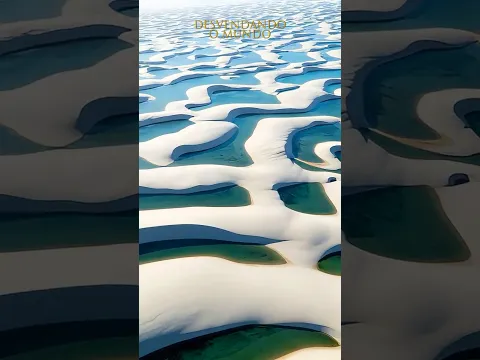

Dunes That Hide Lagoons in Lençóis Maranhenses
Lençóis Maranhenses occupies over 150 thousand hectares. The landscape is dominated by white sand dunes that can reach up to 40 meters in height, resembling large deserts like the Sahara Desert.
Unlike traditional deserts, the region experiences significant rainfall. Between January and June, the precipitation is heavy and completely transforms the landscape, altering the visual configuration of the park.
When Water Transforms the Landscape
During the rainy season, water accumulates in the depressions between the dunes. Crystal-clear lagoons of turquoise and emerald green form due to the presence of an impermeable soil layer beneath the sand.
This layer prevents water from quickly seeping through, allowing the temporary formation of lagoons. Between June and September, they reach their peak, creating a unique scene that marks the park’s hydrological cycle.
As the dry season progresses, the water gradually evaporates. The dunes reclaim the landscape until the cycle starts again the following year, maintaining the region’s natural balance.
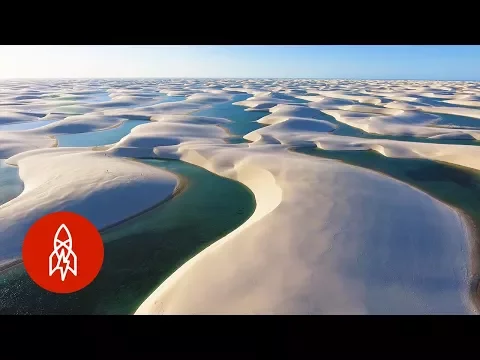
Rare Ecosystem and Activities in Lençóis Maranhenses
Although it may seem like an inhospitable environment, Lençóis Maranhenses harbors life. Fish species survive in the temporary lagoons, along with birds and other animals adapted to the water cycles.
The combination of climatic, geological, and hydrological factors makes the park one of the most peculiar ecosystems in the world. It is a desert shaped by the abundance of water.
Among the available activities are swimming in the crystal-clear lagoons, such as Lagoa Azul and Lagoa Bonita, walking through the dunes, and watching the sunset.
It is also possible to practice kitesurfing in the Atins region, known for its constant winds, take boat rides along the Preguiças River with stops in villages and mangroves, in addition to visiting local communities and sampling their typical cuisine, enhancing the cultural experience offered in the region.
With information from Crusoe.





Cenário que foi gravado Vingadores Ultimato
Onde ficava a joia da alma.
É um cenário deslumbrante, tive a oportunidade de desbravar essas dunas e lagoas que compõe esse habitat natutal vislumbra te. Recomendo a quem ainda não conhece, é fantástica aventura.
Lençóis Maranhense não é um deserto.