Portuguese
  Spanish


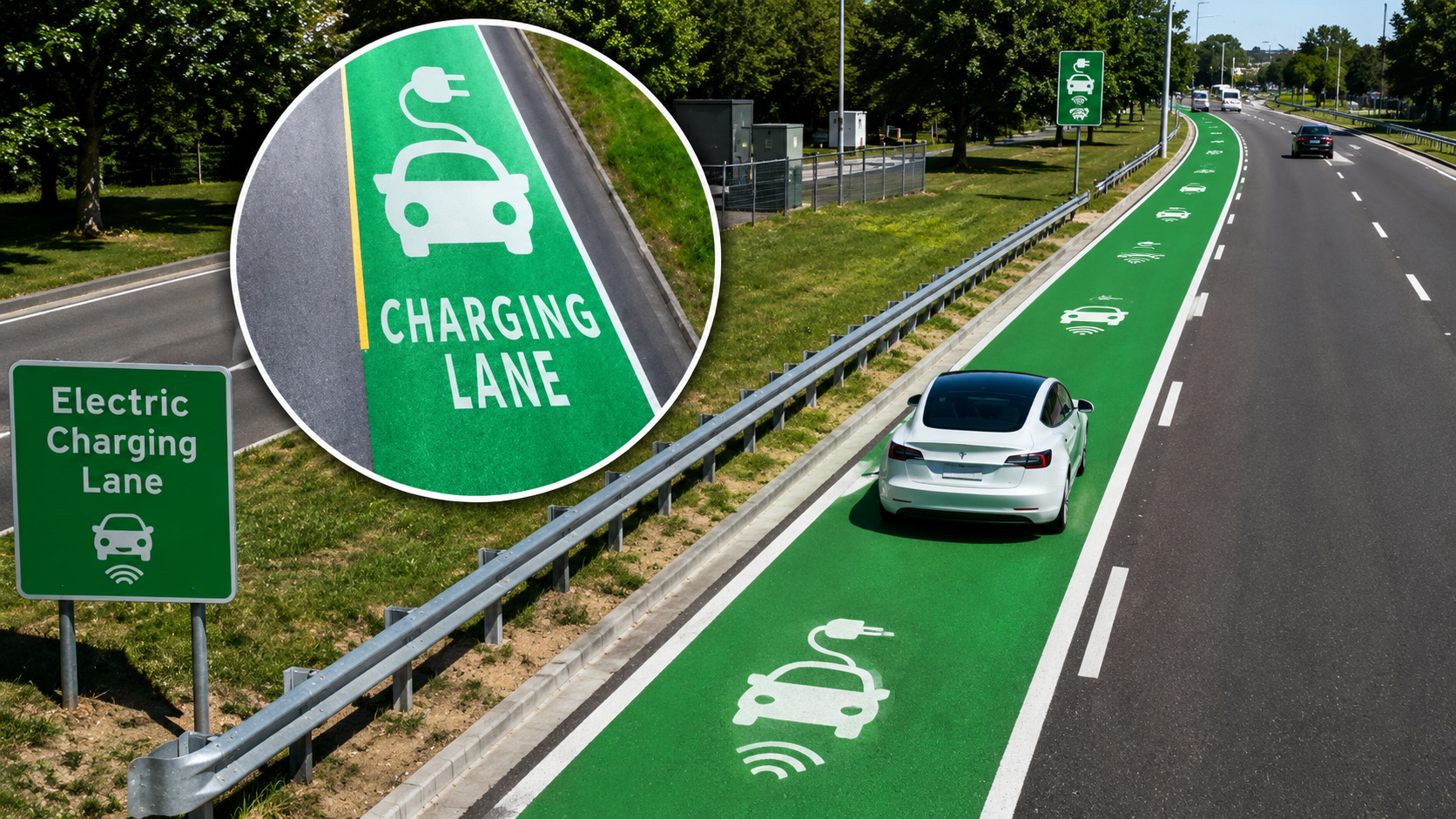


Pilot section uses coils installed under the pavement to transfer energy to adapted electric vehicles during movement
A relevant innovation for electric mobility was inaugurated in Detroit, United States, recently in January, drawing attention for the use of a technology still uncommon in urban roads. The so-called electric highway uses wireless charging through magnetic induction, with coils installed below the pavement. The system, developed by the company Electreon, allows adapted electric vehicles to receive energy while passing over the electrified section. The proposal seeks to test an alternative to traditional charging stations, as the supply can occur in motion, at a slow pace, or with the vehicle stopped on the track.
Electric highway uses technology installed under the asphalt
The structure works through inductive platforms placed below the asphalt and connected to a system capable of transferring electricity without cables. The vehicle needs to be equipped with a compatible receiver to capture the energy emitted by the underground coils. This detail limits the use of the technology, as common electric cars do not automatically receive charge when driving on the lane. Nevertheless, the test demonstrates how urban roads can become an active part of the electric charging infrastructure.
Pilot section in Detroit tests charging during movement
The project was implemented in a section of approximately 400 meters in Detroit, a city historically linked to the North American automotive industry. The electrified lane was created to evaluate the performance of dynamic charging under real usage conditions. According to the released data, the system delivered 16 kW of power to a test vehicle traveling at 15 km/h. The performance is still below many public fast chargers, which can reach 50 kW, but the initial goal is to validate the technology.
-
Chery Offers Lifetime Battery Warranty and Car Replacement for Major Failures Under New Chinese Regulations

-
Nissan Discontinues Qashqai SUV Amid Cost-Cutting, Chinese Competition, and Product Line Review
-
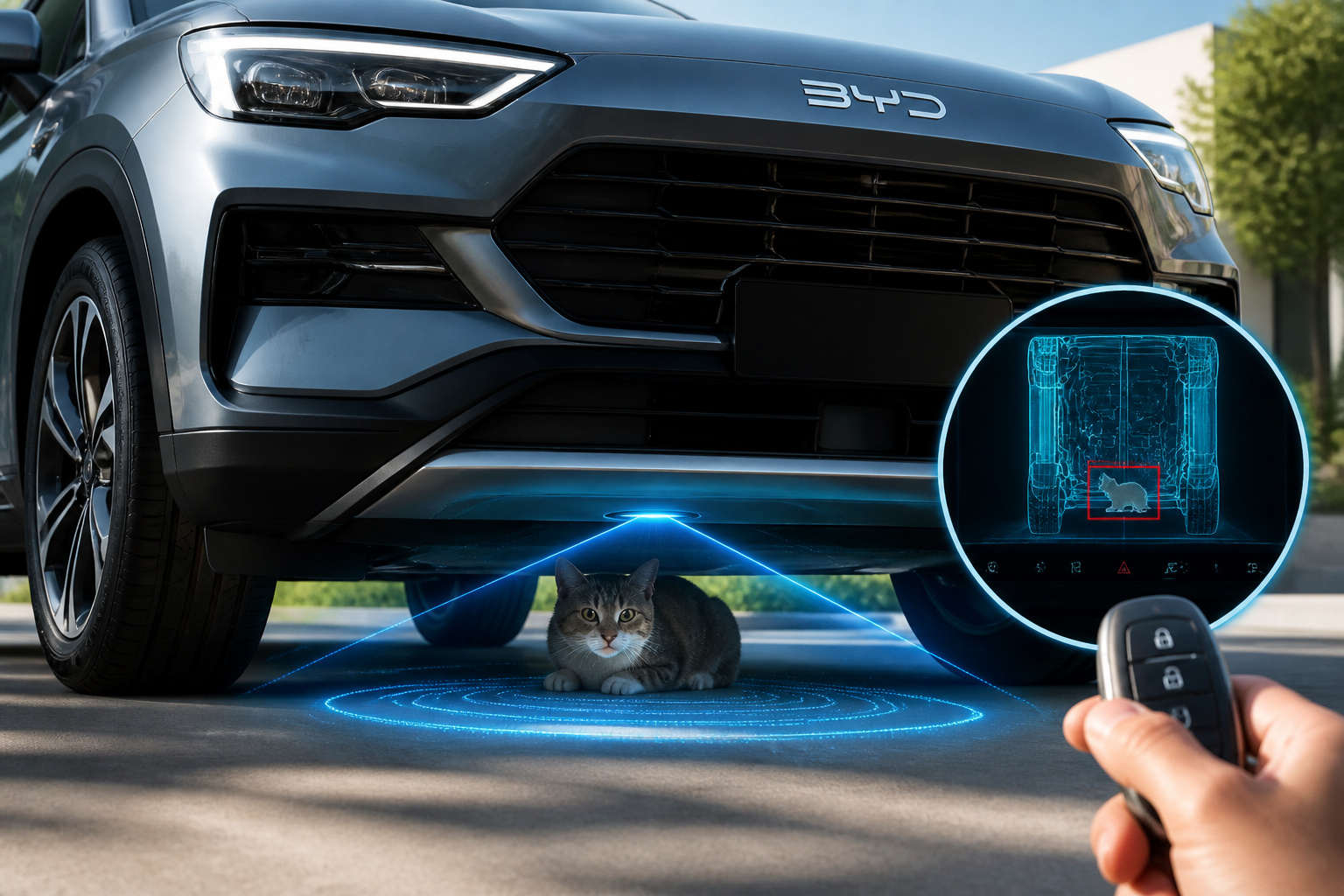
BYD Patents Revolutionary System Using Computer Vision to Detect Animals Under Cars Before Starting, Preventing Tragedies

-
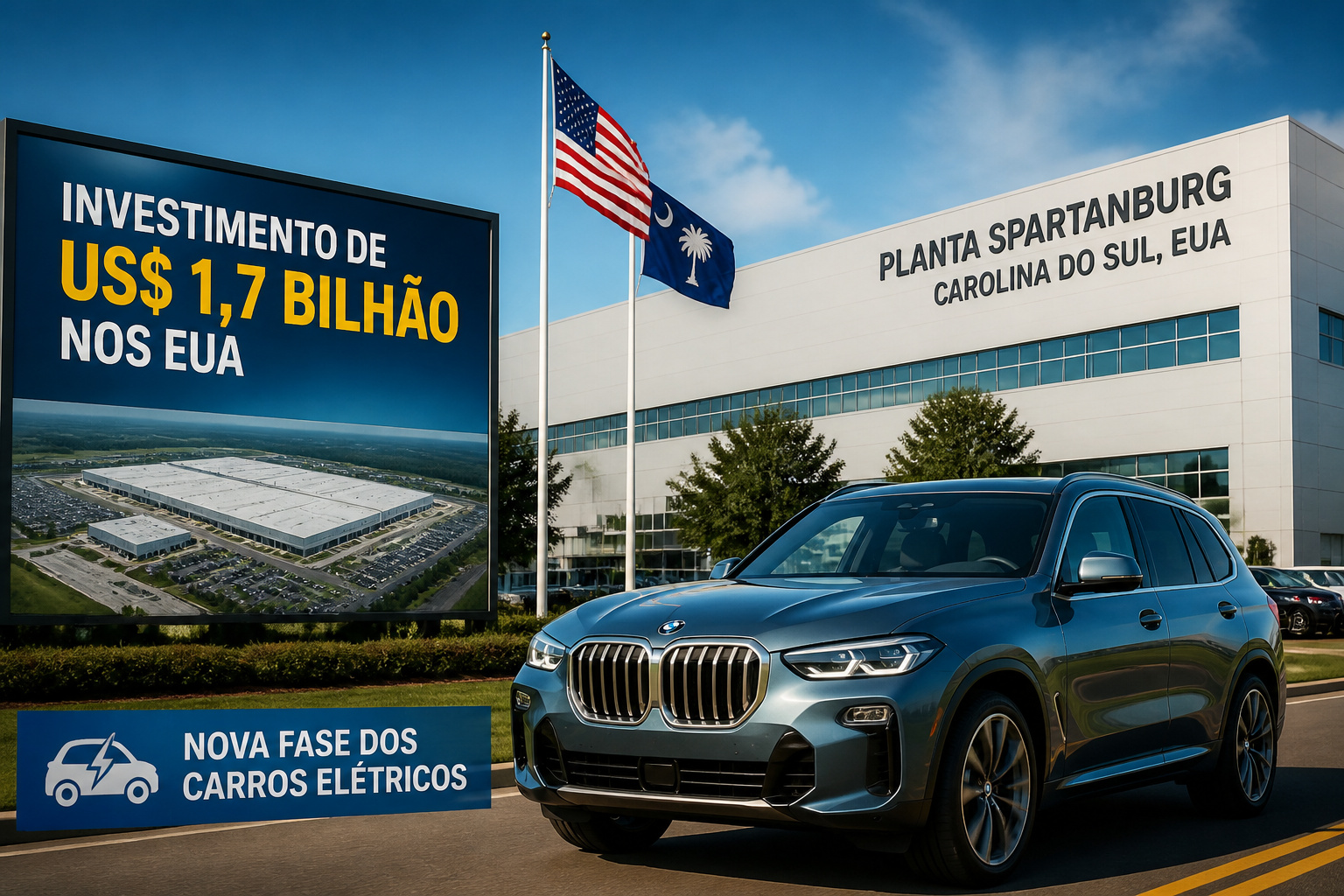
BMW Completes $1.7 Billion Investment in the U.S. for Electric Vehicle Production, Positions South Carolina for New Generation as Rivals Reassess EV Race


System can serve urban fleets and public transport
Electreon assesses that the solution can be primarily applied to buses, delivery vans, and public transport vehicles. These models follow predictable routes, make frequent stops, and can better utilize fixed charging points installed in urban corridors. The company also considers using the technology at traffic lights, bus stops, and waiting areas. In this way, electric fleets could receive energy along the route, reducing the need for larger and heavier batteries.
Limitations still challenge the expansion of technology
The electric highway is still in its initial phase and depends on further tests before broader expansion. The installation cost remains high, while the need for adapted vehicles reduces the immediate reach of the proposal. Despite these barriers, the experiment in Detroit reinforces the advancement of solutions aimed at wireless charging and sustainable mobility. The technology does not replace traditional infrastructure at this time but expands the debate on new forms of electric supply.
The future of roads that charge electric vehicles
The experience in Detroit shows that streets and avenues can gain a function beyond transportation. The pilot section still has limited extension, but it points to a scenario where charging could be integrated into the daily use of vehicles. Electric cars, buses, and vans could depend less on long stops at specific stations if the technology advances and becomes economically viable.
In light of this test, will the next cities transform part of their own streets into smart charging points?