Portuguese
  Spanish


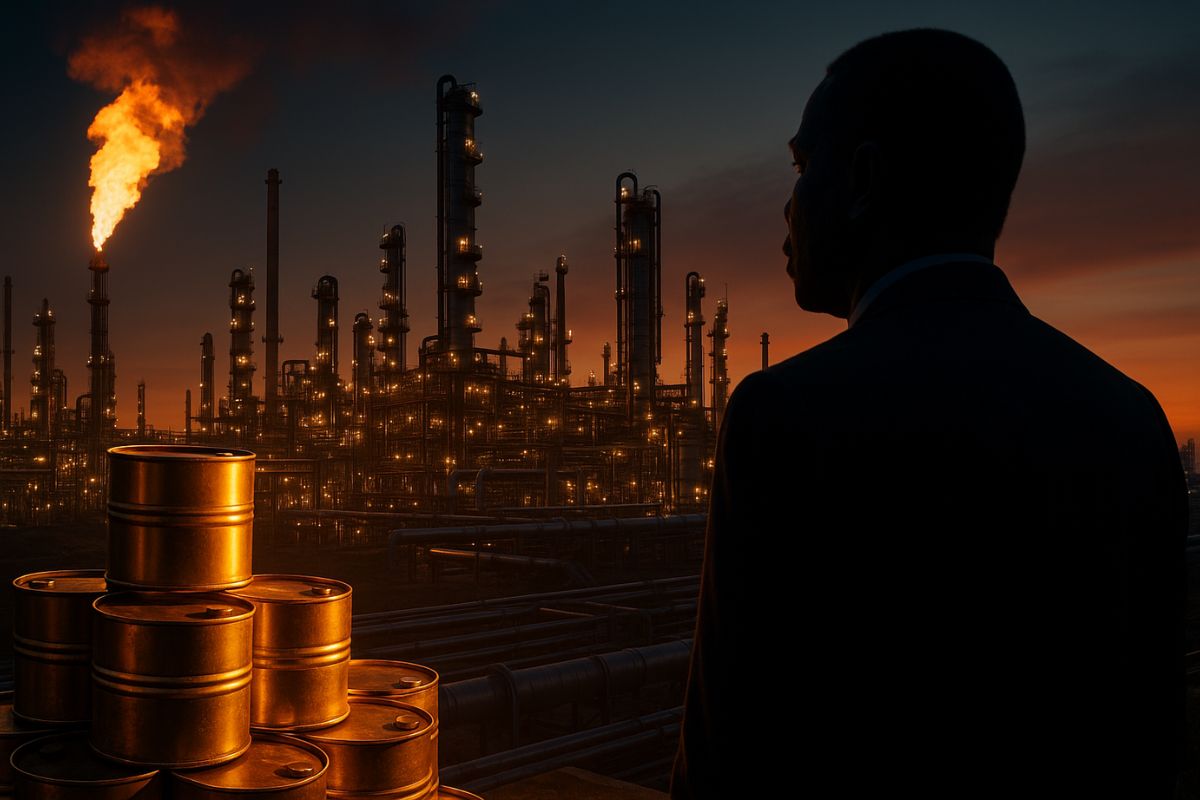


Alico Dangote, Who Almost Went Bankrupt With $23 Billion Refinery, Now Produces 1% of the World’s Gasoline and Returns to Forbes’ Top 100.
The richest man in Africa, Alico Dangote, turned a near-fatal risk into one of the greatest industrial achievements of the 21st century. The Nigerian magnate faced delays, billion-dollar debts, and criticism from experts when betting on a $23 billion refinery, but today his project has transformed Nigeria’s energy sector and impacts the global fuel market.
With a capacity of 650,000 barrels per day, the refinery is larger than many state-owned plants in operation in the West. In addition to completely supplying the Nigerian domestic market, the unit also produces a surplus sufficient for export, representing about 1% of all gasoline consumed on the planet.
Who is Alico Dangote
Alico Dangote, 68, was born into a Muslim trading family in northern Nigeria. He started small, selling sweets, and in 1978 he founded his own business. Decades later, he built the Dangote Group, a conglomerate that dominates sectors such as cement, fertilizers, food, and logistics, employing thousands of people in over ten African countries.
-
Company Offering “Stones to Diamonds” Scheme Sells Ruined Italian Homes to Brazilians for 1 Euro, Disappears with Promised Renovations, Leaving Buyers in Debt to Italian Tax Authorities Until 2028 Without Property

-
Plastic Packaging Drives Santa Catarina Industry to 230% Growth, Aiming for R$ 500 Million by 2030 Amid Sector Crisis, with New Gearless Line Expanding in Southern Brazil to Compete in South America

-
Flamengo Star Invests in Brazilian Coastal Luxury Real Estate as Itapema Surpasses Balneário Camboriú in High-End Market Growth
-
Brazil to Issue “Panda Bonds” in China, Aiming to Raise Up to 5 Billion Yuan at Lower Interest Rates Than Dollar Debt


According to Forbes, he currently ranks 89th among the world’s richest, with a fortune of US$ 24 billion, regaining ground after years when his bet seemed an irreparable mistake.
The Billion-Dollar Refinery Risk
In 2013, Dangote announced the construction of a giant refinery. Nigeria, despite being one of the world’s largest oil producers, relied on the import of gasoline and diesel. The entrepreneur saw the chance to change this scenario, but faced ten years of delays, shutdowns, and costs that more than doubled.
The initial budget of $10 billion rose to $23 billion. To keep the project alive, he sold part of his stake in the cement sector and took out over US$ 15 billion in loans, including from the holding company itself. Many critics claimed that the project would never be completed.
The Turnaround in 2024
After years of uncertainty, the refinery became operational in 2024. With a daily production of 330,000 barrels of gasoline, the complex became capable of meeting all of Nigeria’s demand and allowing for exports. This changed the country’s import balance, reduced external dependency, and positioned Dangote in the center of global energy discussions.
The impact is comparable to that of refineries owned by giants like Petrobras, Aramco, and ExxonMobil, placing Africa on the strategic map of the fuel market.
From Near Failure to Top Again
The success of the refinery nearly doubled Dangote’s fortune in just one year, bringing him back to the top 100 of Forbes for the first time since 2018. What seemed like the biggest mistake of his career became the move that solidified his image as the largest industrialist in Africa of the 21st century.
The story of Alico Dangote shows how an extreme risk can change the course of an entire nation. The richest man in Africa almost went bankrupt, but today he controls a refinery that ensures self-sufficiency for his country and also influences the global fuel market.
And you, do you think this billion-dollar project is an example of strategic vision or an unnecessary risk that only succeeded by chance? Leave your opinion in the comments; we want to hear from those living this experience.