






 Portuguese
  Spanish
  3 min of reading
  0 comments


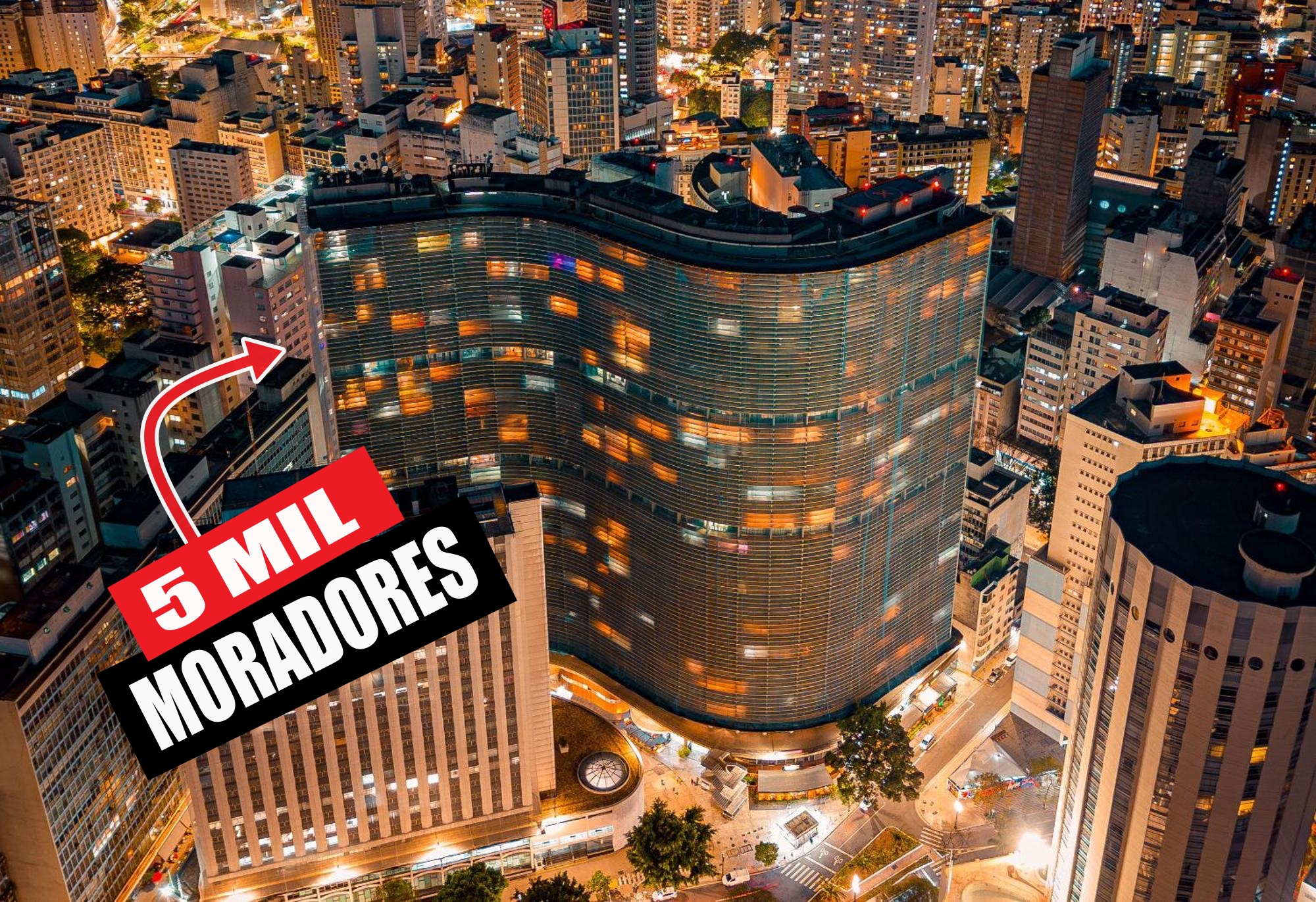
With 1,160 Apartments and 32 Floors, the Copan Remains an Urban Symbol and a Real Case of Large-Scale Coexistence
A Modernist Icon in the Heart of the Country’s Largest Metropolis! In downtown São Paulo, few buildings are as recognizable as the Copan Building. The curved design, associated with architect Oscar Niemeyer, has transformed the building into a reference of architecture and a recurring image when the city is portrayed in films, reports, and campaigns.
The Copan also stands out for a less photogenic but even more relevant reason: it functions as an urban organism. Instead of being just a condominium, the building has become a portrait of how collective life can be organized in a unique structure, in the heart of a metropolis.


Copan is 115 Meters Tall, Has 32 Floors, and Approximately 120,000 Square Meters of Built Area
According to information released about the building, the Copan houses at least 5,000 residents distributed across 1,160 apartments. This volume of people makes the building behave like a vertical neighborhood, with its own routines, demands, and flows.
-
At 29 years old and tired of the corporate routine, a young man leaves his 11-year career, sells almost all his possessions, buys a sailboat, and sets off from Oregon to Hawaii accompanied only by his cat.

-
Saudi takes his Toyota Hilux 4×4, leaves Riyadh, crosses 23 countries, and drives about 6,000 kilometers for almost three weeks to northern Norway to fulfill the dream of seeing the northern lights.

-
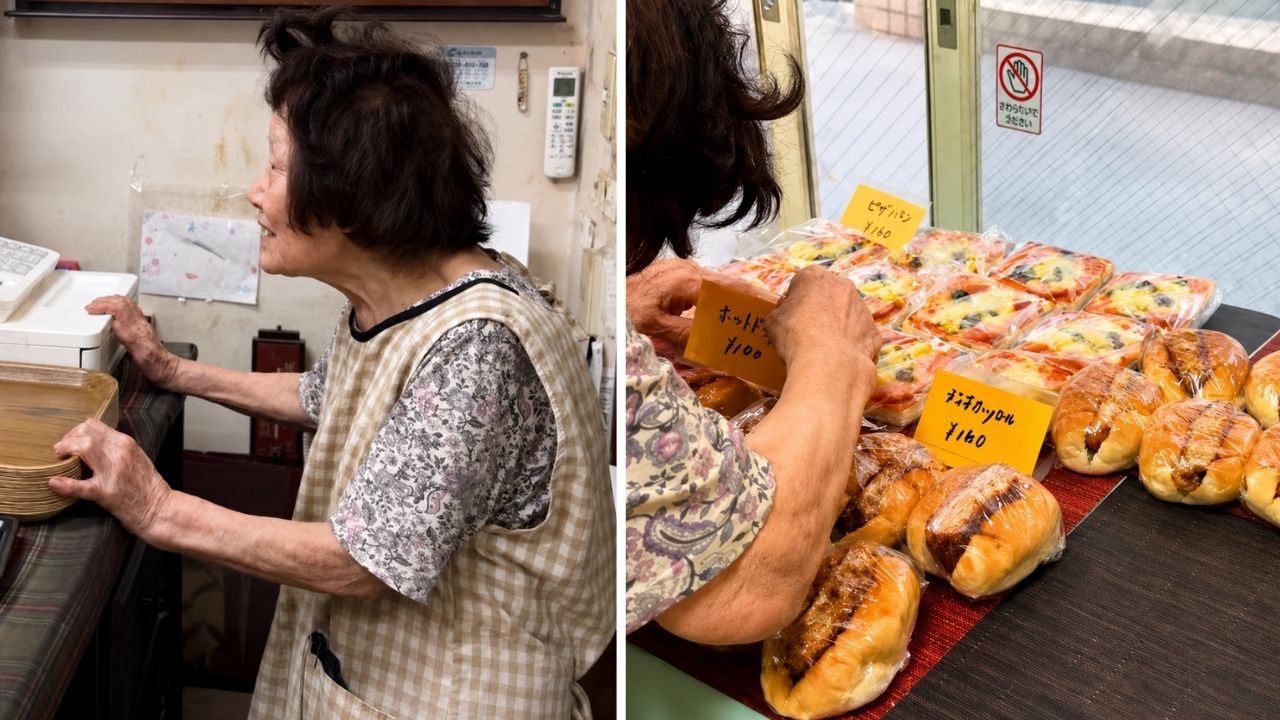
An 84-year-old mother wakes up before midnight in Japan, keeps a family bakery open for 55 years, and sells cheap handmade bread; the shop in Fukuoka produces up to 400 units a day with the help of her son.

-
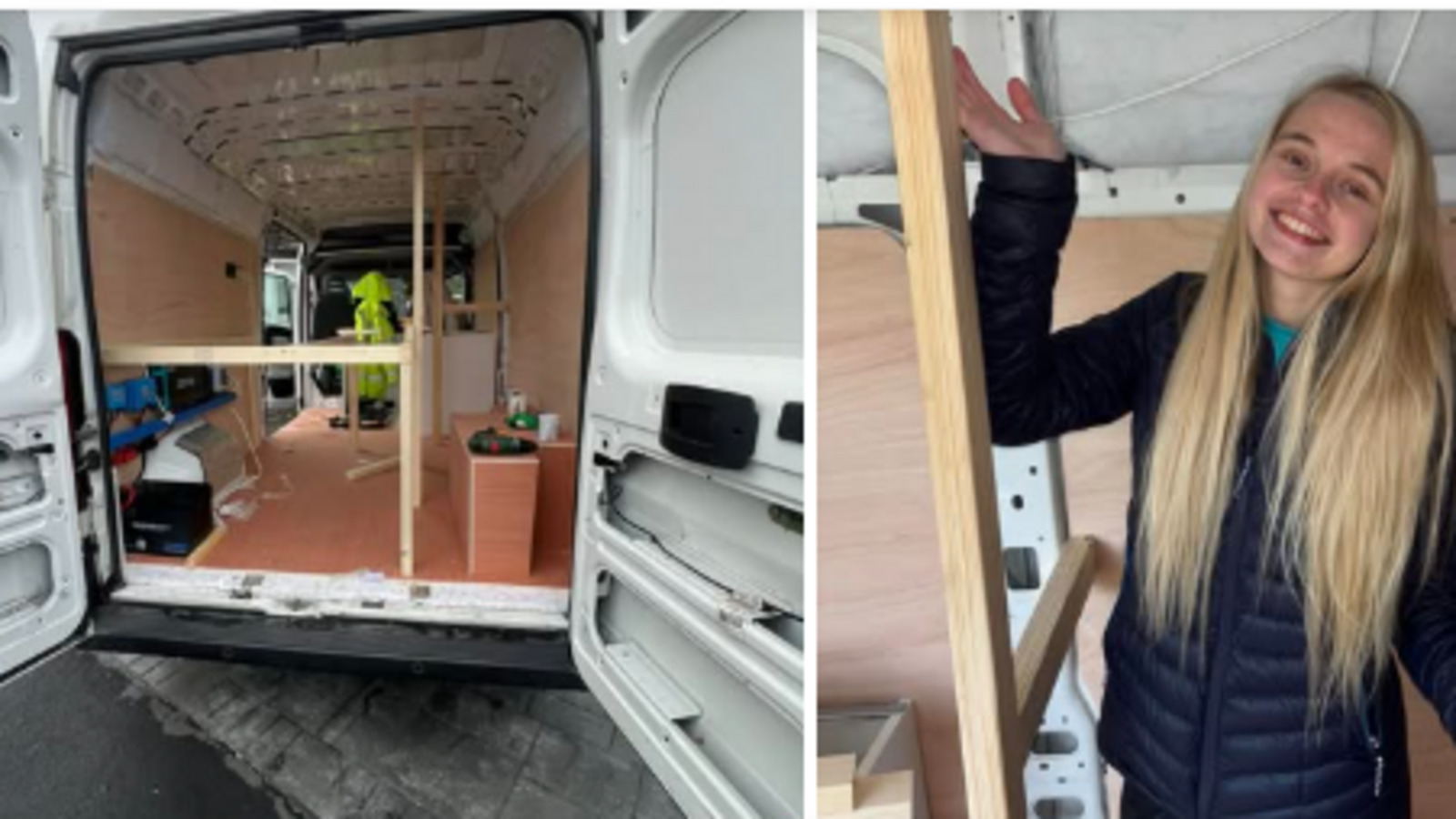
Tired of seeing her salary disappear with the mortgage, a 24-year-old sells her £125,000 house, buys a van for £13,000, invests £6,000, transforms the vehicle into a home, and decides to live on the roads of Europe.


The physical size aligns with this logic. The Copan is 115 meters tall, has 32 floors, and approximately 120,000 square meters of built area, divided into six blocks.
This set of data explains why the Copan easily becomes a topic of discussion. When talking about housing in the city center, revitalization, and mixed-use of urban areas, the building stands out as a concrete example of intense occupation in a strategic region.
A Building that Operates as Everyday Infrastructure
Life in a building of this size depends on rules and management. The functioning involves constant maintenance, access control, decisions regarding renovations, security, and coexistence, as well as ongoing negotiation between individual and collective interests.
The Copan also concentrates daily circulation of people who do not live there. This happens due to services and activities located on the ground floor and in the surrounding area, which broadens the role of the building in the dynamics of central São Paulo.
In a scenario of changes in commerce and the use of the center, the building ends up being a barometer. Movements of appreciation, demand drop, or increased interest in living close to transport and employment tend to reflect in the perception of the Copan.
Why the Copan, the Giant with 1,160 Apartments, Continues to Be a Topic Today
In recent years, topics such as urban densification, reoccupation of the center, and mobility have gained traction on the public agenda. The Copan enters this conversation because it materializes the advantages and challenges of living in high density, in a central location.
There are clear positive points, such as proximity to services, transport, and job opportunities. At the same time, the building’s scale imposes complexity, as any operational adjustment can affect thousands of people.
The building is also remembered as a symbolic heritage. Niemeyer’s signature and its striking form contribute to its perception as part of São Paulo’s identity, increasing the interest in preservation and maintaining architectural characteristics.
Copan remains a construction that transcends the label of “famous building.” It is, at the same time, a work of architecture, a social experiment, and a real piece of urban infrastructure in a city that continues to change every day.


-

-

-

5 people reacted to this.