Portuguese
  Spanish


Mercosur Strengthens Trade in Local Currencies with the SML: System Allows Transactions in Reais and Pesos Without Dollar, Cuts Costs and Challenges Currency Hegemony.
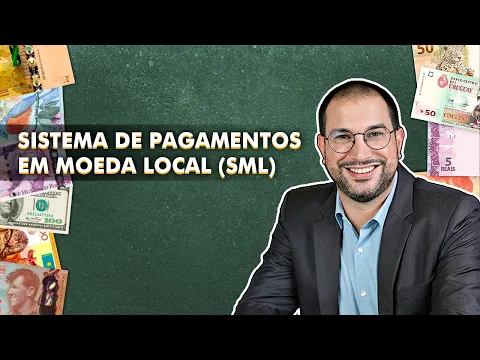
The Local Currency Payment System (SML), created in 2008 between Brazil and Argentina and now expanded to other Mercosur countries, is experiencing a moment of growth. The mechanism, managed by the central banks of the participating countries, allows companies to conduct foreign trade using their national currencies directly — such as reais, pesos, and guaranis — without the need for prior conversion to the dollar.
This alternative, which seemed marginal a few years ago, is starting to gain scale in 2025. According to the Central Bank of Brazil, thousands of transactions are already settled through the SML every year, and governments plan to expand the system to more operations and strategic sectors.
How Trade in Local Currencies Works
In practice, the SML is simple:
-
Brazil’s BNDES Funded Metro and Steel Plant Projects in Venezuela with Brazilian Support

-
Abandoned Building in Brazil to Become Biotechnology Unit with $10 Million Investment, Bridging Science, Industry, and Public Health
-
Company Offering “Stones to Diamonds” Scheme Sells Ruined Italian Homes to Brazilians for 1 Euro, Disappears with Promised Renovations, Leaving Buyers in Debt to Italian Tax Authorities Until 2028 Without Property

-
Plastic Packaging Drives Santa Catarina Industry to 230% Growth, Aiming for R$ 500 Million by 2030 Amid Sector Crisis, with New Gearless Line Expanding in Southern Brazil to Compete in South America

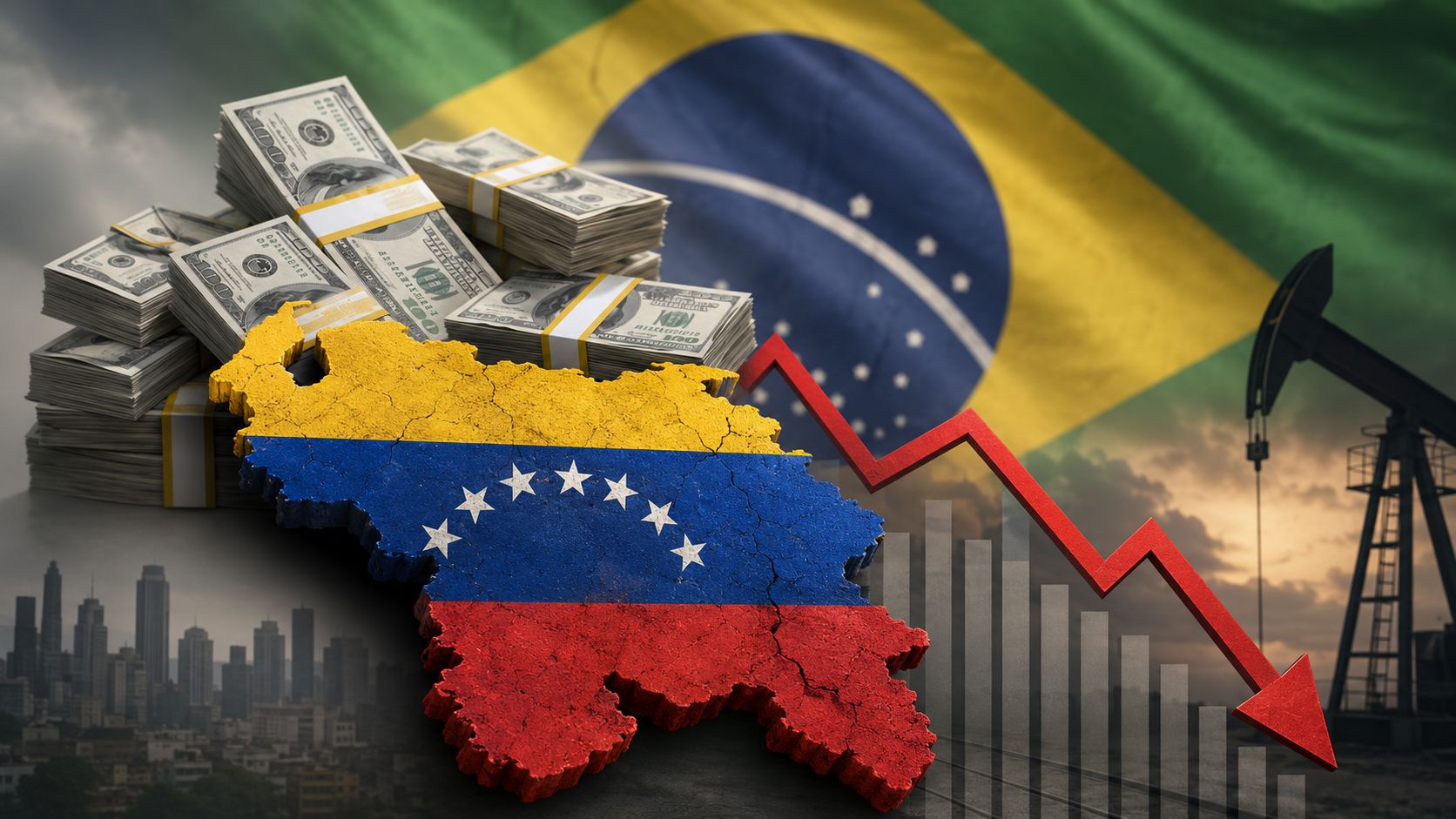


- A Brazilian company exports machinery to Argentina and issues the invoice in reais.
- The Argentine importer pays the amount in pesos, at the local bank.
- The central banks settle among themselves, without the dollar being used as an intermediary.

The result is a direct transaction in local currencies, which eliminates exchange conversion costs, reduces exposure to dollar fluctuations, and simplifies the payment process.
Benefits for Companies and Governments
Trade in local currencies offers clear advantages:
- Cost Reduction: eliminates double conversion (local currency → dollar → local currency).
- Less Volatility: protects companies from exchange fluctuations and crises in the dollar.
- Regional Integration: strengthens trust between countries and reduces dependence on foreign currencies.
- Agility: simplifies financial procedures and facilitates business for small and medium-sized enterprises.
For governments, the SML is also a geopolitical tool: it signals greater autonomy in the face of dollar hegemony and strengthens Latin American integration.
Brazil Abandons the Idea of a Single Currency and Bets on the SML
For years, the idea of creating a single currency for Mercosur circulated, a hypothesis advocated by political sectors but considered unfeasible by economists.
In 2023 and 2024, the Brazilian government itself discarded this possibility and reaffirmed the priority to expand the SML.
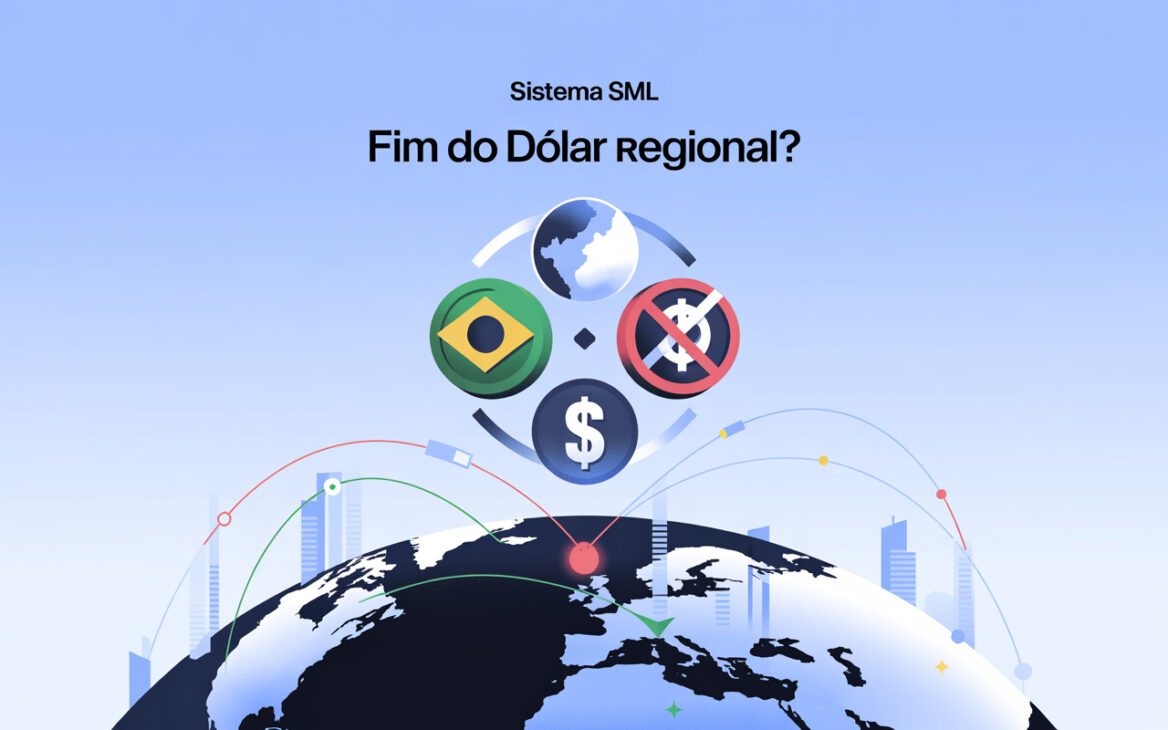
In practice, the single currency faced structural differences among the economies of the bloc. The SML is seen as a pragmatic and functional alternative, that can grow step by step, without the need for deep reforms.
The Role of Brazil–Argentina Trade
The Brazil is the largest trading partner of Argentina in Mercosur and accounts for a large portion of transactions made via the SML.
With the Argentine currency crisis and the scarcity of dollars in the neighboring country, the system has gained even more importance.
Argentine companies have started to use the mechanism as a way to maintain imports of Brazilian products without depending on the difficult acquisition of American currency. This strengthens bilateral trade and helps preserve industrial production chains in both countries.
Results Already Observed
Since its creation, the SML has moved billions of dollars in local currency equivalents. In 2024, operations grew at an accelerated pace, especially in sectors such as automotive, agro-industrial, and machinery.
Although it still represents a small fraction of the total trade in Mercosur, the trend is for expansion.
In recent meetings, the economy ministers of Brazil, Argentina, Uruguay, and Paraguay discussed expanding the system to more types of contracts and increasing operational limits.
Challenges of the System
Despite the advancements, the SML faces significant challenges:
- Low Current Scale: trade in local currencies is still a minority compared to the use of the dollar.
- Trust Issues: unstable currencies, such as the Argentine peso, generate distrust in larger transactions.
- Operational Limits: the system does not yet cover all types of contracts and financing.
Even so, experts believe that strengthening the SML is a realistic step to reduce the external vulnerability of Mercosur countries.
The Global Impact and the Dispute Against the Dollar
The expansion of the SML in Mercosur connects to a larger movement: the attempt to reduce global dependence on the dollar.
While the BRICS discuss payments in local currencies and China expands oil agreements in yuan, South America bets on a regional, practical, and gradual solution.
The fact that trade between Brazil and Argentina — economies that together exceed US$ 1 trillion in GDP — can be conducted in local currencies already represents a clear sign that the hegemony of the dollar is being challenged, albeit partially.
Mercosur and the SML — The New Path to Integration
The Local Currency Payment System is today one of the most concrete instruments for economically integrating Mercosur. It does not completely replace the dollar, but offers a secure path for cheaper, faster, and independent transactions.
Betting on the SML is more than a technical choice: it is a political gesture of autonomy, a message to the international market that the bloc seeks its own paths to grow and withstand global upheavals.
If regional trade in reais and pesos continues to grow, Mercosur may become an example of how emerging blocs can gradually challenge the logic of dominant dollar.