Portuguese
  Spanish


The implementation of the new service stations reinforces the support structure across 600 km of concessioned highways, with approximately 220,000 services already provided, free services, operational bases, and an additional unit in Monte Alto planned for July.
The highways of Northwest São Paulo have gained 19 new service stations for users since 2023, expanding the support, safety, and comfort structure in strategic stretches of inland São Paulo. The expansion is part of the improvements made during the period when the concessioned network grew to 600 km of highways.
Since then, approximately 220,000 user services have been provided. The User Service Units, known as SAUs, function as fixed bases for drivers who need support during their trips.
Service stations expand coverage in inland São Paulo
The new service stations are distributed along the concessioned network and cover different points in Northwest São Paulo. The structure includes municipalities such as Ibaté, Araraquara, Matão, Taquaritinga, Santa Adélia, Catanduva, Uchoa, São José do Rio Preto, Santa Ernestina, Jaboticabal, Taquaral, Bebedouro, Colina, Barrinha, Itápolis, Pirangi, and Palmares Paulista.
-
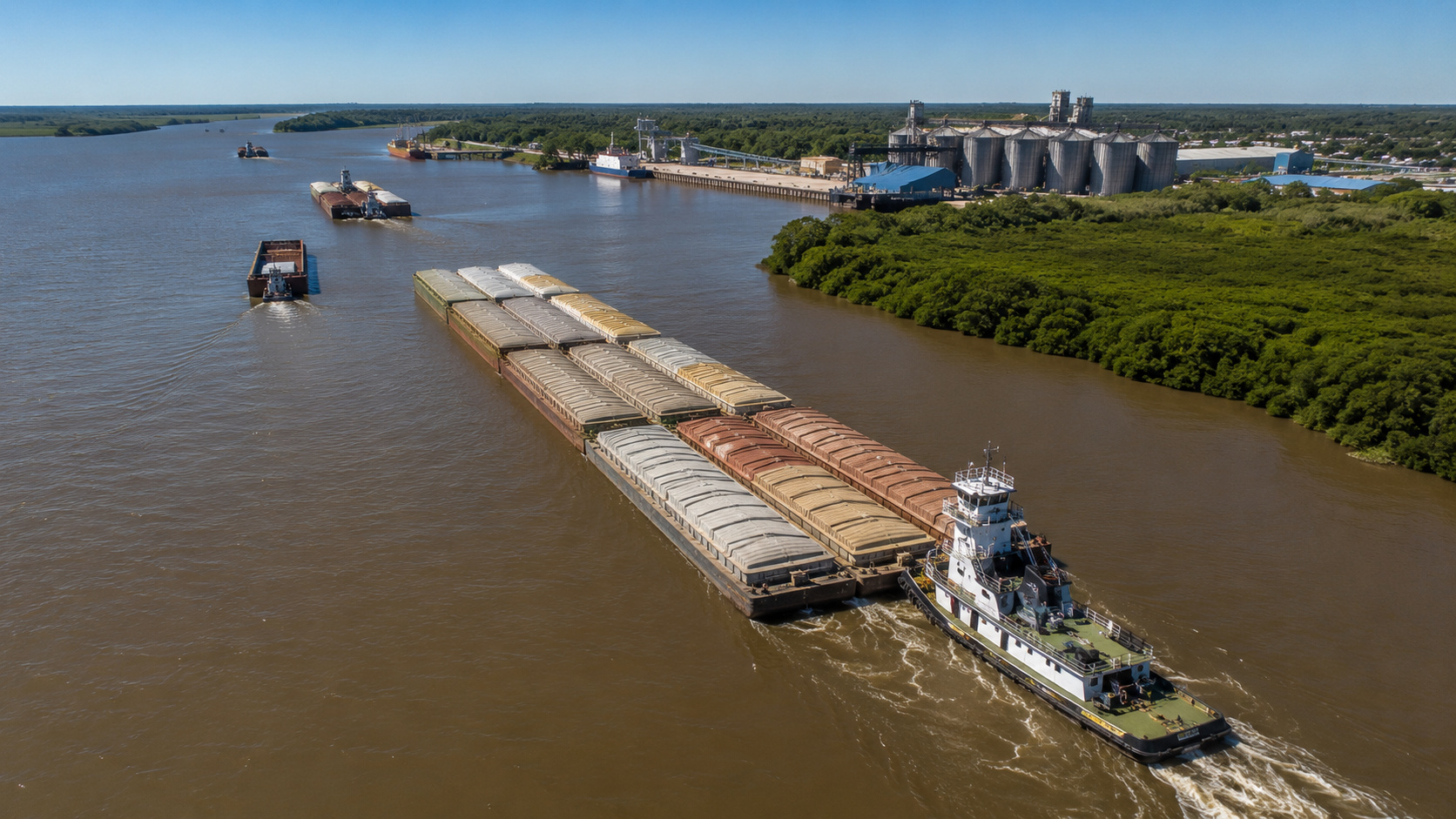
Latin America’s Largest Port Invests $400 Million in Rail System with Trains Up to 2.4 Kilometers Long
-
New Smart Radar Begins Issuing Fines to Solo Drivers in Carpool Lanes, Uses Cameras to Count Occupants, Changing Traffic Enforcement Rules on Busy European Roads

-
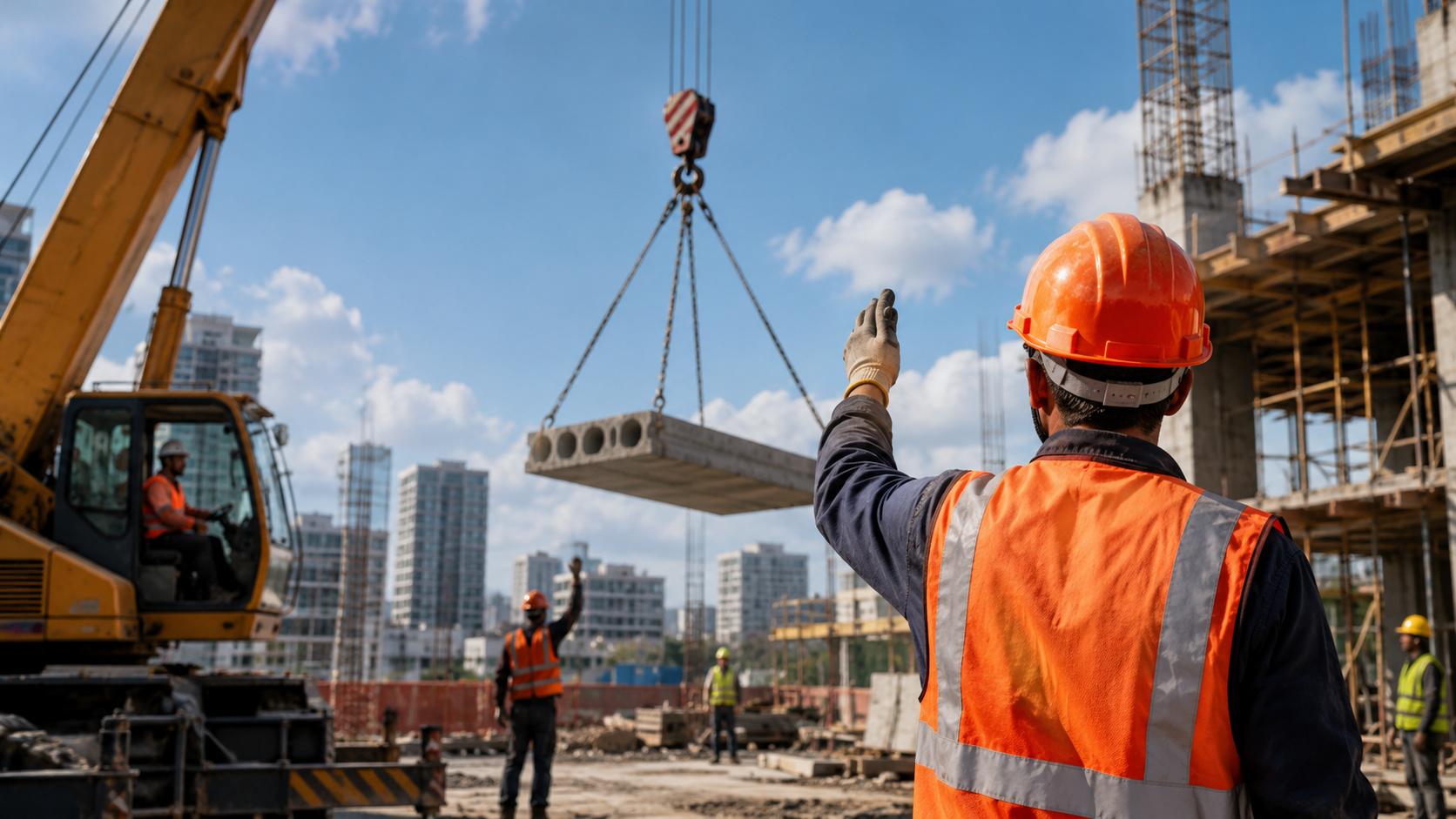
Why can the crane operator only obey the correct signalman on the construction site: among dozens of workers, a hand raised by the wrong person can confuse the maneuver and turn a load of tons into an immediate risk.
-
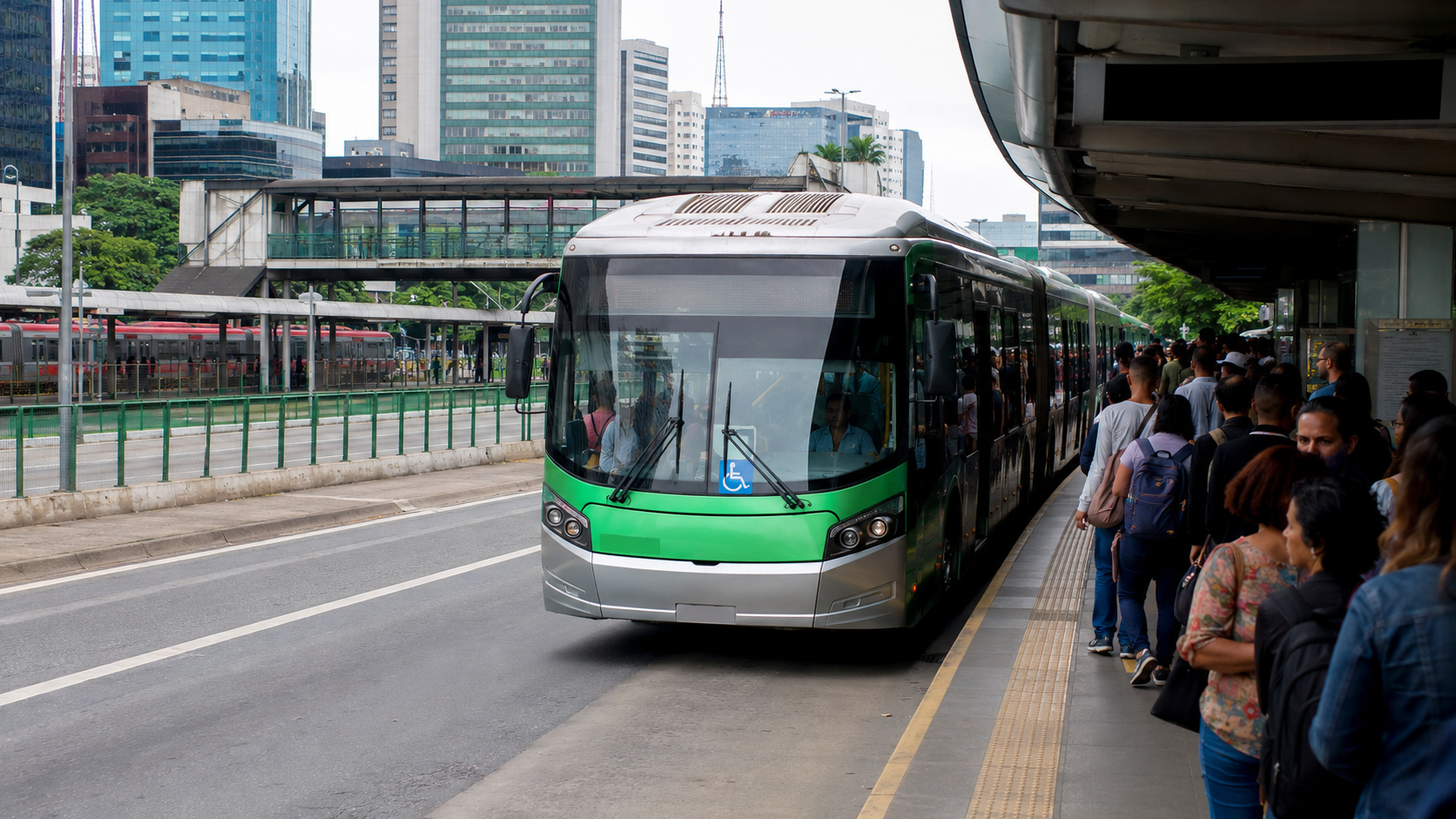
What changes with the new public transportation rules that can reduce pressure on fares and pave the way for zero fare in Brazil?

An additional unit is in the final phase of implementation in Monte Alto. This new point is expected to be delivered in July, expanding the support network for highway users.
The Northwest São Paulo Lot covers stretches that connect cities such as São José do Rio Preto, Araraquara, São Carlos, and Barretos. The distribution of the bases aims to ensure coverage in strategic locations and continuous support for drivers.

Structure offers free services to users
The SAUs offer free services and basic infrastructure for those traveling on the highways. Available resources include restrooms, drinking fountains, rest areas, and self-service totems to directly activate the concessionaire’s operational services.
In some units, there are also pet areas and charging points for electric vehicles. These resources expand service to different user profiles and make stops more complete during the journey.
Businessman José Domingues uses the SAUs to recharge his electric car and reported that, during the stop, he can use services in an air-conditioned area, with Wi-Fi and space for pets. He stated that the SAU offers confidence and safety for him and his family during their trips.
Bases reinforce emergency service on highways
In addition to the physical structure, the service stations are strategic points for the operation of emergency services. From these bases, specialized teams and vehicles are dispatched to incidents on the highways.
Services include mechanical assistance, pre-hospital care, vehicle towing, fire fighting, and traffic inspection. The service is free, operates 24 hours a day, and can be activated by phone, WhatsApp, totems on the highways, or a digital platform.
Integrated operation with the Operational Control Center allows for greater agility in responding to incidents. Teams are positioned in strategic locations to reduce travel time to the user, following service standards defined in the contract.
Expansion seeks more safety and predictability
In practice, the expansion of the centers represents direct gains in safety, comfort, and predictability for journeys. In cases of mechanical breakdown, accidents, or other incidents, drivers can count on nearby and structured support.
This service reduces waiting time and the risks associated with remaining on the road or shoulder. The presence of services and information at fixed points along the route also contributes to more organized trips.
With the new network of service stations, Northwest Paulista now has a broader structure to support users. The implementation of these bases combines free services, emergency operations, and rest stops in relevant sections of the concession network.
With information from AgenciaSP