






 Portuguese
  Spanish




The Magnetic North Pole Is In Rapid Motion Through The Arctic, Reaching Unprecedented Speeds Of Up To 60 Km Per Year. These Satellite Data Show A Speed Never Seen In The Last 400 Years, Intriguing Scientists And Directly Impacting Navigation Systems And Technologies On Earth.
Unlike the geographic North Pole, which is fixed in the Arctic, the magnetic North Pole is always in motion. This phenomenon is caused by changes in the flow of liquid iron in the Earth’s outer core, something scientists call the “dynamo effect.” This constant and unpredictable movement has led the magnetic pole to “run” across the Canadian Arctic towards Siberia, with an average speed of 55 km per year, reaching peaks of up to 60 km annually.
The satellite data are essential for monitoring this movement. They show that, between 1590 and 1990, the speed of the magnetic North Pole was less than 10 km per year. However, in recent decades, this rate has skyrocketed, causing changes never before recorded since the 16th century.
Impacts On Navigation And Science
The constant movement of the magnetic North Pole directly affects navigation systems, both in traditional compasses and in advanced technologies. Maps and orientation systems need to be frequently updated to ensure accuracy. The World Magnetic Model (WMM), updated every five years by institutions like the British Geological Survey (BGS) and the National Oceanic and Atmospheric Administration (NOAA), is crucial for aligning this information.
-
To Aid Mars Missions, 12 Volunteers to Spend 60 Days in Bed Without Getting Up, Earning €18,000 in Study Starting 2026

-
Extreme Heat of 41.3°C Warps Roads in Germany, Causes Autobahn Asphalt to Crack, Injures People, and Forces Snowplows to Cool Down Highways

-
AI Security System in Brazil Aims to Cut False Alarms by Differentiating Pets from Intruders, Enhancing 24/7 Monitoring for Homes and Businesses

-
Archaeologists Discover 1,500-Year-Old Byzantine Mosaic with Greek Biblical Inscription in Israel, Uncover Ruins of 10 Buildings Near Kiryat Gat




The last update in 2020 reinforced how satellite data help map the Earth’s magnetic field mathematically and precisely, essential for various fields, from aviation to maritime navigation.
How Do The Earth’s Magnetic Poles Form?
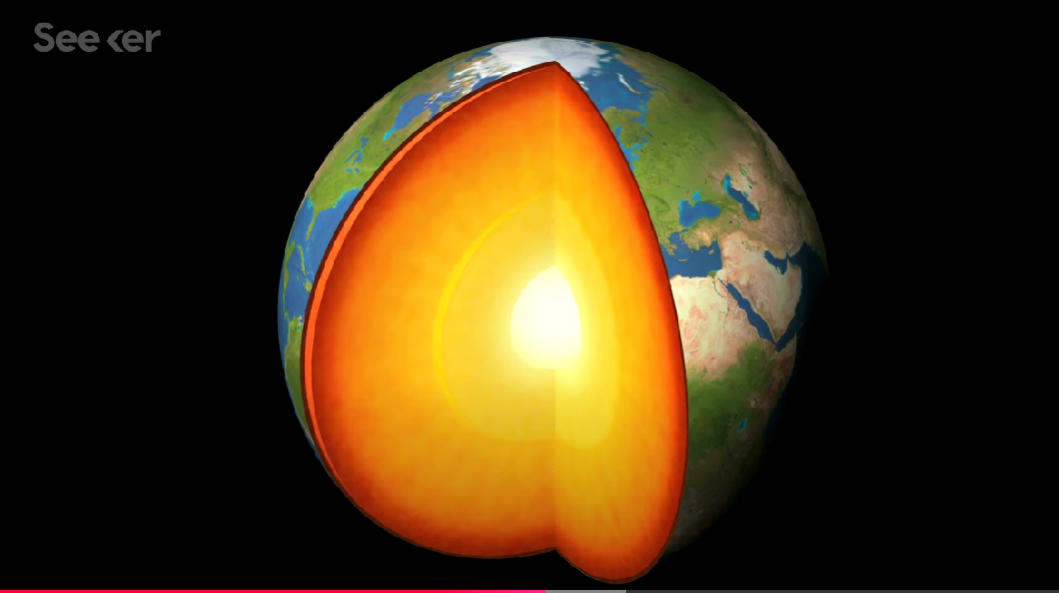
The magnetic poles, including the magnetic North Pole, are generated by convection movement in the Earth’s outer core. This process occurs due to the intense heating of the inner core, which heats the surrounding liquid iron and nickel, generating electric currents responsible for the Earth’s magnetic field. These lines of force emerge near the geographic poles, but never exactly in the same place, which explains the constant “wanderings” of the magnetic North Pole.
Why Does This Matter?
In addition to impressing scientists, the accelerated movement of the magnetic North Pole has practical effects on daily life and technology. The accuracy of GPS systems, satellite orientation, and even natural phenomena are influenced by this dynamic magnetic field. Thanks to satellite data, we now have a clearer understanding of this phenomenon and can prepare for the challenges it brings.
The race of the magnetic North Pole across the Arctic not only makes us rethink maps and compasses but also reminds us how our planet is constantly changing, revealing mysteries of its internal workings.


Como o papo do aquecimento global está sendo cada vez mais insustentável, os “CIENTISTES”, vão já atribuir a mudança do Polo magnético ao CO2 na atmosfera, já que, o que importa é manter o alarmismo e manterem as pessoas acorrentadaas ao medo.