






 Portuguese
  Spanish


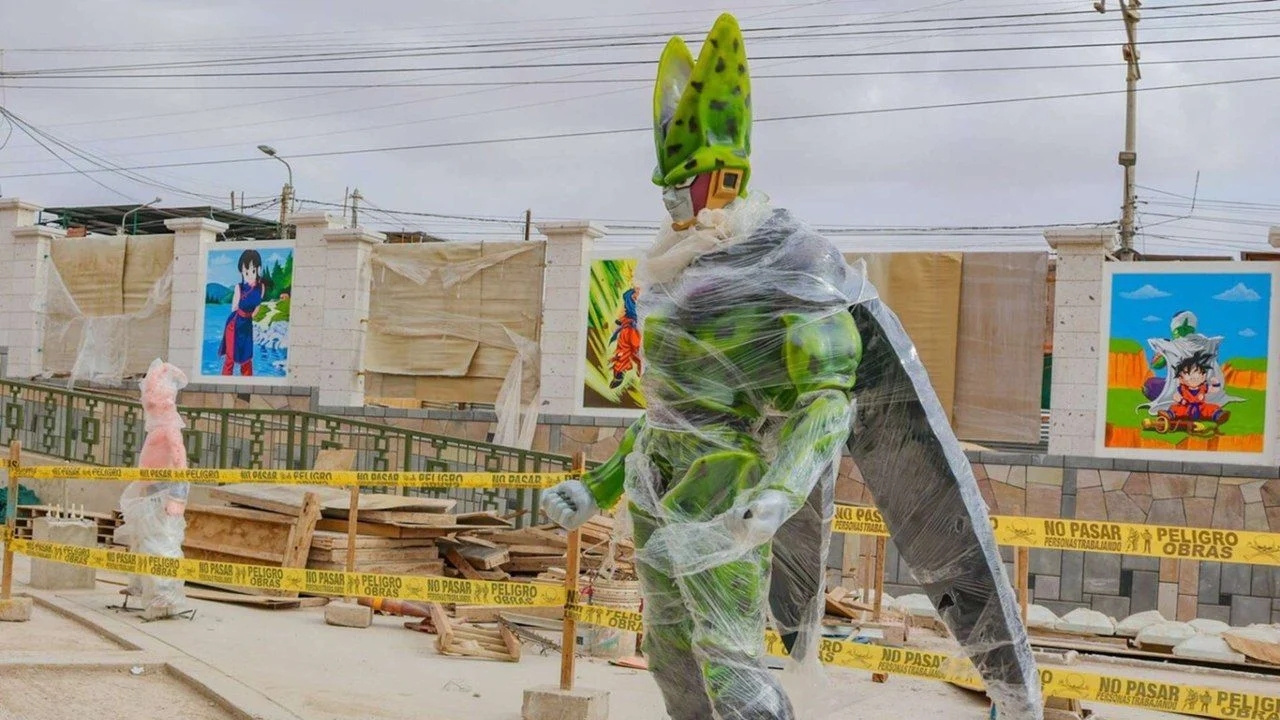


In San Antonio, City Hall Is Building A Theme Park With Over 30 Life-Sized Sculptures To Attract Tourism And Family Leisure, Generating Buzz On Social Media And Curiosity Among The Public
An unusual initiative is drawing attention in Latin America, especially among fans of Japanese pop culture. A theme park inspired by the world of Dragon Ball is beginning to take shape and already has structures that impress with their scale and proposal.
The project bets on family entertainment as a driver of economic and tourism development. The idea is to transform the district into a new regional visitation hub, connecting leisure, commerce, and geek culture in a single space.
What sparks curiosity the most is not just the chosen theme, but the scale of the work and the investment involved. The results are already circulating on social media, generating diverse reactions ranging from enthusiasm to surprise.
-
Workers renovating a playground in northern England uncover 176 World War II bombs buried underground; training artifacts still contained explosives.

-
Brazilian Architect Transforms Waste into Sustainable Homes with Solar Power and Rainwater Systems for 40 Years

-
Security Guard Becomes Doctor at Louisiana Hospital Where He Once Worked, Studied Chemistry Between Shifts

-
Woman Rescued from Luxury Complex in Brazil Worked Without Pay for 55 Years, May Be Entitled to Over $300,000


Theme Project Inspired By Japanese Anime Becomes An Unexpected Tourist Attraction
The construction is happening in the San Antonio district, in the Moquegua region of southern Peru. The proposal was conceived as a public strategy to promote local tourism and create new leisure options for residents and visitors.
Named Z Park, the space was officially presented on the city hall’s social media, which released images of the structures already erected. Quickly, the posts gained traction and began circulating among anime fans in various countries.
What seemed improbable has become real. A park dedicated exclusively to the Dragon Ball universe is starting to take shape outside Asia, something rare even in major tourist centers.
Structure Includes Giant Sculptures, Karts, Electronic Areas, And Themed Spaces

The park will feature more than 30 life-sized sculptures of iconic characters. Among them are Goku, Vegeta, Piccolo, and other popular names from the franchise.
The statues will be distributed across an area of 5,600 square meters. The space has been designed to be interactive and visually striking, with settings created for photos and public circulation.
In addition to the sculptures, the structure will include inflatable toys, electronic gaming zones, a kart track, and service kiosks. One of the most symbolic points will be the Master Roshi’s House, a recreation of one of the most well-known locations from the anime.
The detail that caught the most attention was precisely the variety of attractions concentrated in a single theme complex.
Million-Dollar Public Investment Finances Ongoing Construction
According to official information released by local authorities, the park has received more than 26 million Peruvian soles in public funding.
In approximate conversion, this amount exceeds 40.2 million reais. The funds were allocated for the complete construction of the infrastructure and leisure areas.
Currently, the project is about 48 percent complete. The main structural part has already been finished, with finishing stages and attraction installations remaining.
A team of 44 workers continues to operate daily on the site. The forecast is for delivery sometime this year, although a specific date has not been disclosed.

Quality of Sculptures Generates Reactions and Jokes on Social Media
While on one hand the proposal impresses with its scale, on the other, one detail went viral quickly. The visual quality of the sculptures has come under scrutiny from some members of the public.
Released images show statues that, according to internet users, do not possess a high level of aesthetic fidelity to the original characters. Comparisons and memes began to circulate on social media.
The outcome surprised due to its impact. What was once merely institutional advertising has turned into a topic of discussion among fans, pop culture portals, and humor pages.
Official Licensing Is Still Uncertain And Raises Questions
Another point of interest involves trademark usage rights. So far, there has been no public confirmation of official authorization from the companies that hold the franchise.
It is unclear whether the park has licensing from Shueisha or Toei Animation, responsible for the original work and its adaptations.
The absence of this information increases curiosity about the origin of the project and its legal or commercial developments in the future.
Availability of the Anime Keeps Audience Interest High
While the park has not opened, fans continue to consume the original content on digital platforms.
Dragon Ball and its derivatives remain available for streaming on Crunchyroll, keeping the franchise’s popularity active and global.
This factor helps sustain interest in the park, as new generations continue to engage with the work.
The case is noteworthy precisely for uniting public investment, Japanese pop culture, and tourism strategy in a single project that mixes boldness, curiosity, and digital impact.
Did you like this unusual initiative or would you visit a park like this in Latin America? Leave your opinion in the comments and say if the project has the potential to become a tourist success.


