






 Portuguese
  Spanish
  4 min of reading
  0 comments


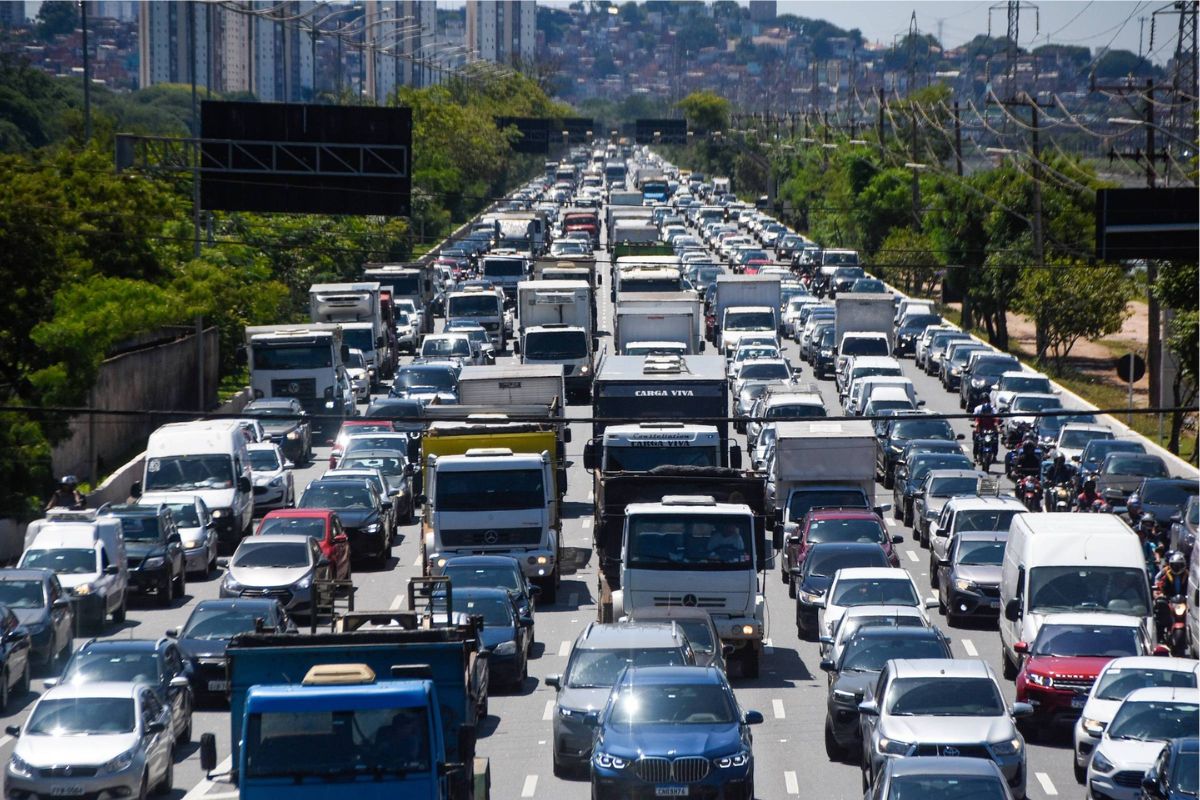
Driving in Traffic Jams Requires More Than Patience: Small Actions, Like Turning Off the Engine or Adjusting the Ventilation, Can Avoid Unnecessary Costs and Protect Your Health
The pace of big cities doesn’t let up. A traffic jam can arise suddenly: honking, smoke in the air, and a sea of red lights that seems to drag on endlessly. But being stuck in traffic is not just a test of patience — it’s also a decisive moment for those who want to save fuel, preserve the vehicle, and maintain mental sanity.
The simple fact of keeping the car running when stopped can consume up to 0.8 liters of fuel per hour, according to data from ViaMichelin. And things worsen if the driver adopts erratic driving, with sudden accelerations and braking, which can increase consumption by up to 90% on highways and an incredible 175% in urban areas. In other words: traffic not only delays your arrival but also drains your wallet and wears out your car.
Engine On or Off? The Decision That Makes a Difference
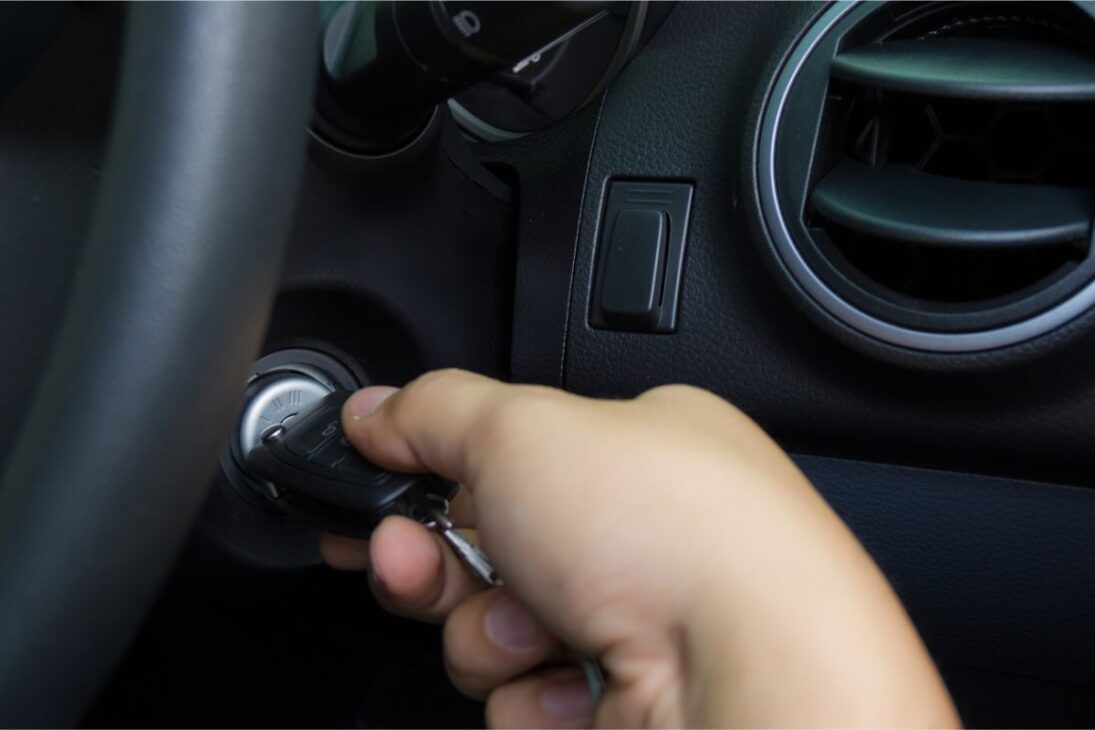
If the stop lasts more than 60 seconds, turning off the engine is a smart choice. Cars with Start-Stop systems already do this automatically. In others, turning it off manually reduces consumption and does not harm the engine, provided it is at the ideal operating temperature. The fuel cost to restart is less than keeping the car idling for several minutes.
-
Man Builds Handcrafted Wooden Cabin in Canadian Forest Using Only Trees and No Construction Crew

-
Maria Marli, a 15-Year Veteran Bricklayer, Helps Build Bahia’s Tallest Building and Realizes Her Own Dreams

-
Mayan Dogs Traveled Between Cities, Accompanied Leaders, and Were Used in Sacrifices: New Discoveries Uncover Complex Relationships
-
British Lawyer Faces Up to Two Years in Prison After Organizing Volunteers to Clean Polluted River in Brazil




Moreover, choosing the right gear also makes a difference. In manual vehicles, driving in second gear smoothly reduces the engine’s effort. In automatics, keeping the car in “Drive” with light driving ensures a balance between comfort and economy.
Attention to the Air You Breathe
Few drivers know, but keeping the air conditioning in recirculation mode for too long can be harmful. After about 20 minutes, the CO₂ level inside the vehicle increases, causing drowsiness, headaches, and decreased attention. Ideally, alternate between recirculation mode and fresh air intake. This way, you keep the environment oxygenated and avoid silent dangers.
And if the weather is hot? Before turning on the air conditioning, it’s worth opening the windows for a few seconds to expel the accumulated hot air. This simple habit eases the air conditioning system and improves energy efficiency.
Distance, Smoothness, and Anticipation: The Pillars of Safety
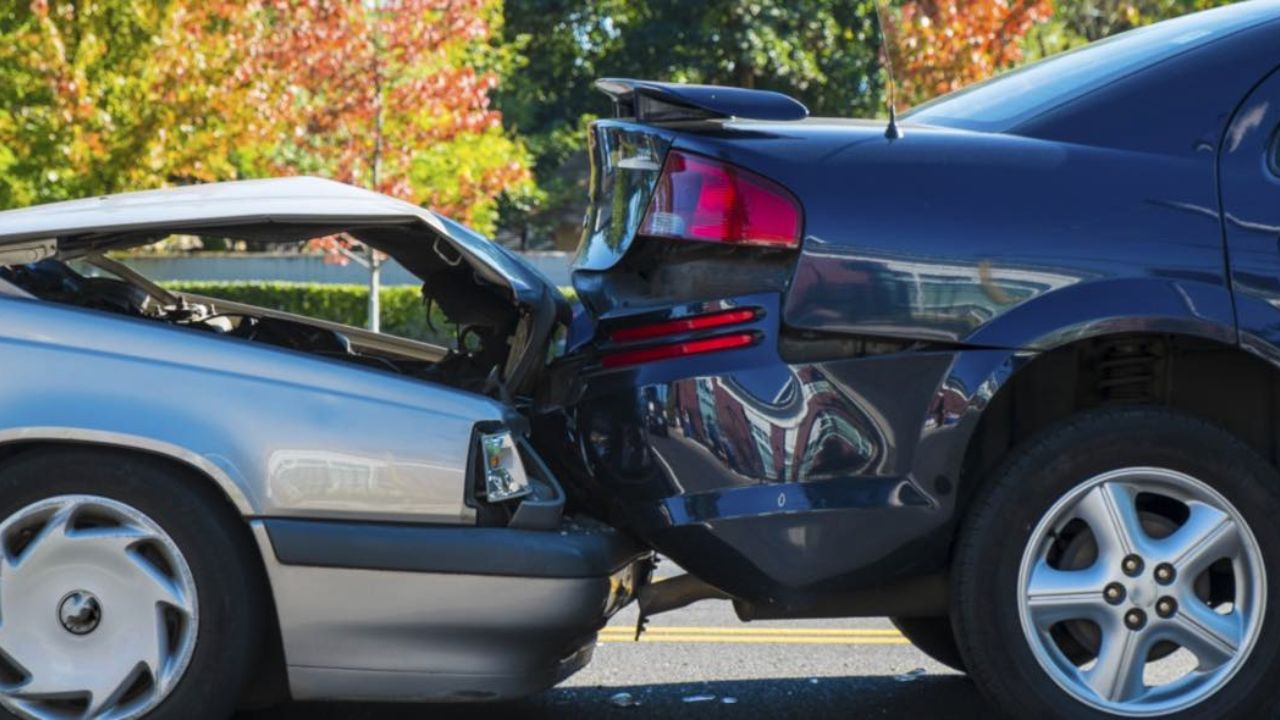
Maintaining a minimum distance of three seconds from the vehicle in front is a basic rule, but still neglected by many. This practice prevents rear-end collisions and also reduces excessive use of brakes and accelerators. In other words, you protect the car, save fuel, and drive more safely.
Avoid constantly changing lanes as well. Research shows that, in traffic jams, this practice rarely pays off and increases the risk of accidents. The secret is to maintain constant, smooth driving and anticipate the movements of the traffic ahead.
Technology as an Ally When Stopped
Apps like Waze and Google Maps are more than maps: they provide real-time information about accidents, roadwork, closures, and offer alternative routes. In many cases, following the suggested path can mean saving up to 2 liters of fuel per hour — not to mention the time saved.
Utilizing this type of resource can be the difference between being stuck for hours or diverting enough to keep moving.
The Body Also Needs Care

Being stopped for long periods inside the car affects more than the engine — it affects you. Having a water bottle on hand, a light snack, and maintaining a comfortable posture helps to reduce physical tension. If possible, bring a lumbar support or cushion to keep your spine straight and avoid pain.
Your emotional state also matters. Listening to calm music, podcasts, or even taking brief pauses to breathe deeply are simple ways to reduce stress and maintain attention in traffic, even when stopped.
Regular Maintenance Makes a Difference Even When the Car Is Stopped
Dirty filters, expired oil, under-inflated tires, or worn spark plugs directly influence the car’s performance, even in low-speed or idling situations. A well-tuned car consumes less and responds better, even in the most frustrating traffic jams.
Additionally, checking the ventilation, brake system, and alternator prevents unpleasant surprises when the traffic finally clears.








Be the first to react!