Portuguese
  Spanish


Automakers Claim That Strict Deadlines for Electric Cars May Increase Prices and Reduce Options. Understand How This Affects Consumers and Industry.
The automakers are on alert. The reason is simple: although they advocate for electrification, they believe that the deadlines set by governments to accelerate the adoption of electric cars are excessively tight.
According to industry executives, the pressure to achieve zero emissions by 2035, as proposed by the European Union, may have the opposite effect of what is expected. Instead of stimulating the popularization of electric vehicles, the movement may lead to higher prices, fewer models on the market, and even discourage consumers.
High Costs Still Hinder Production
One of the biggest barriers lies in production costs. The manufacturing of batteries and components for electric cars remains costly, and in Europe, the supply chain heavily relies on imports. This means that to meet the targets, automakers need to invest more in local production, which makes vehicles more expensive and reduces competitiveness.
-
Chery Offers Lifetime Battery Warranty and Car Replacement for Major Failures Under New Chinese Regulations

-
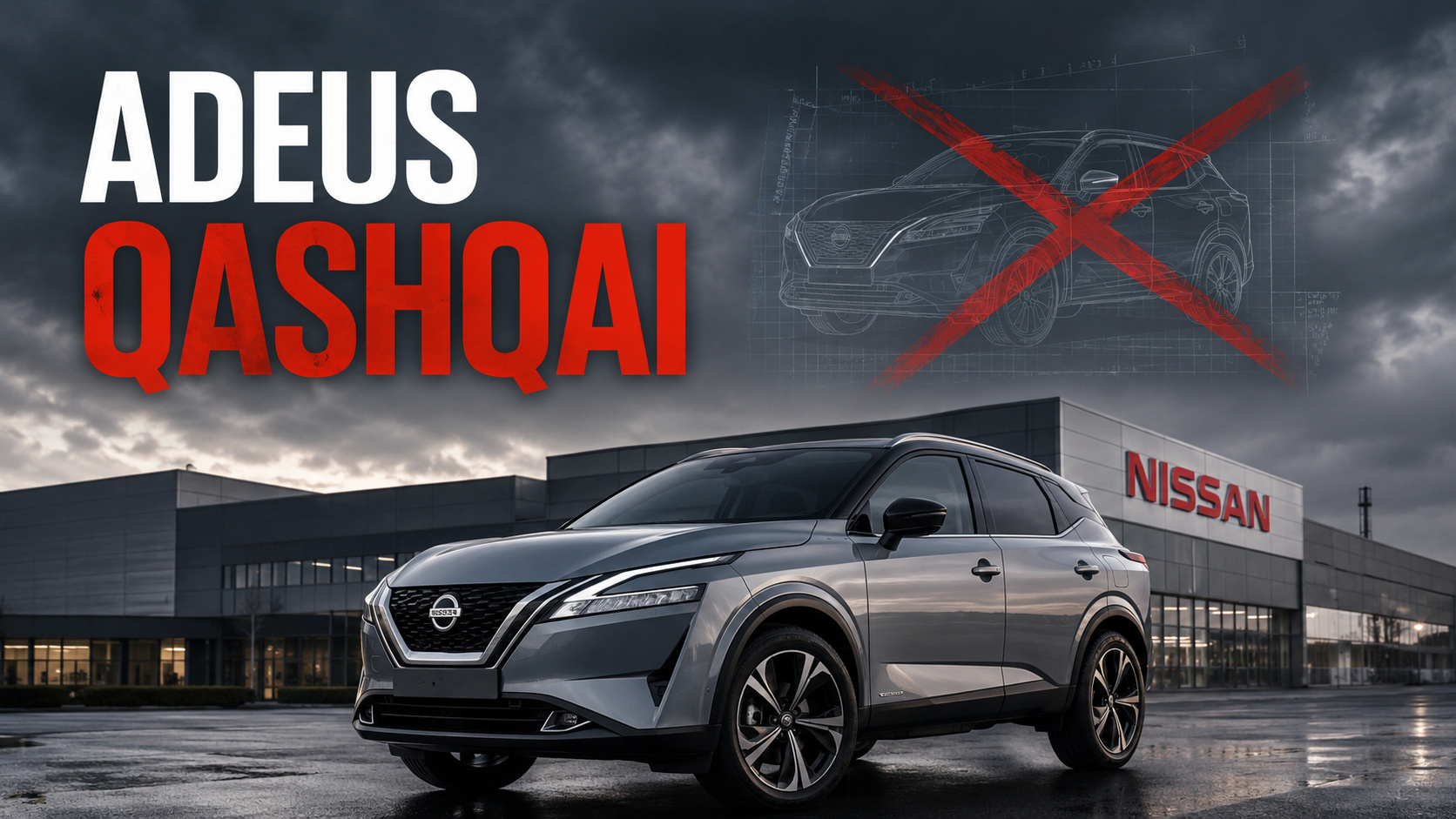
Nissan Discontinues Qashqai SUV Amid Cost-Cutting, Chinese Competition, and Product Line Review
-
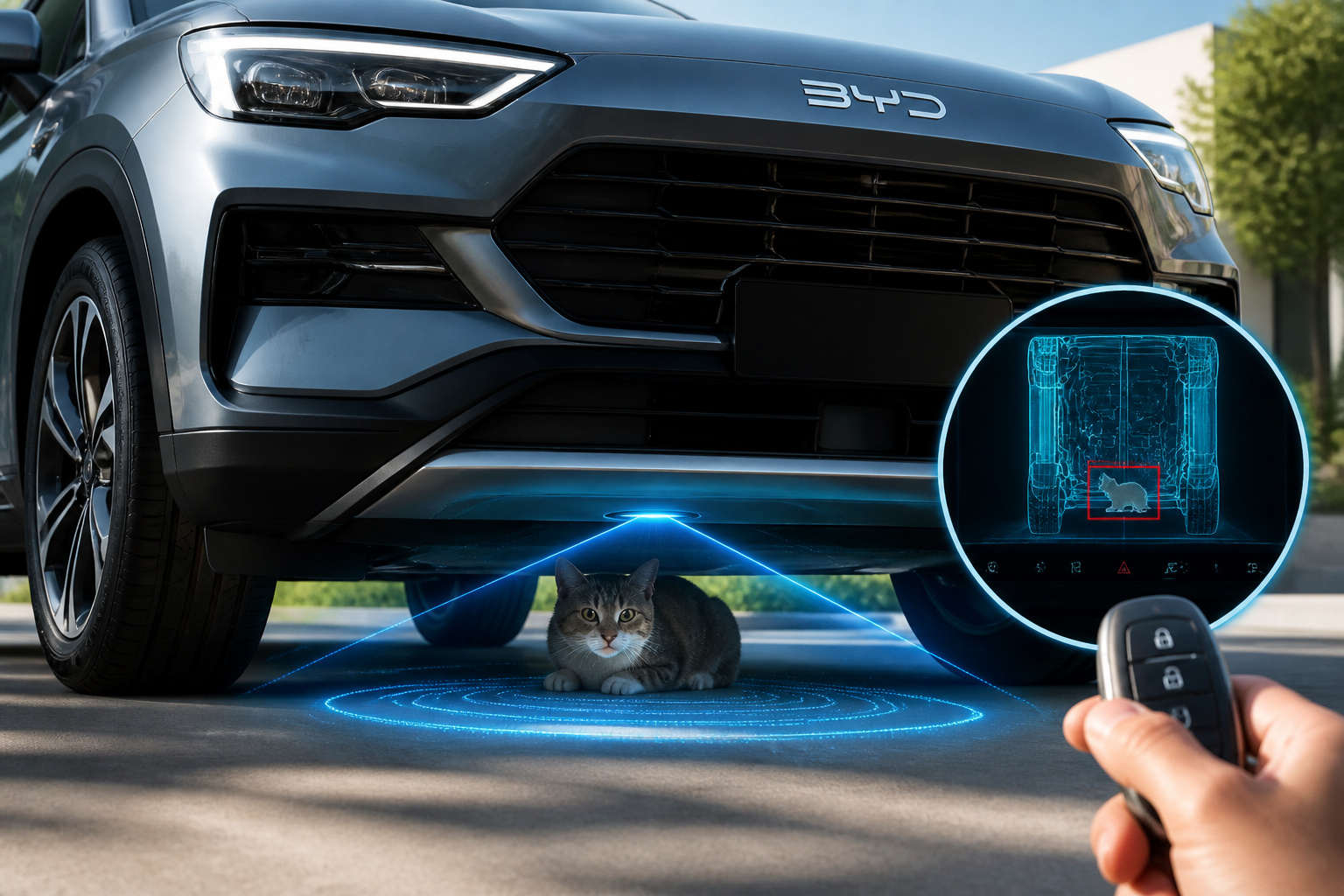
BYD Patents Revolutionary System Using Computer Vision to Detect Animals Under Cars Before Starting, Preventing Tragedies

-
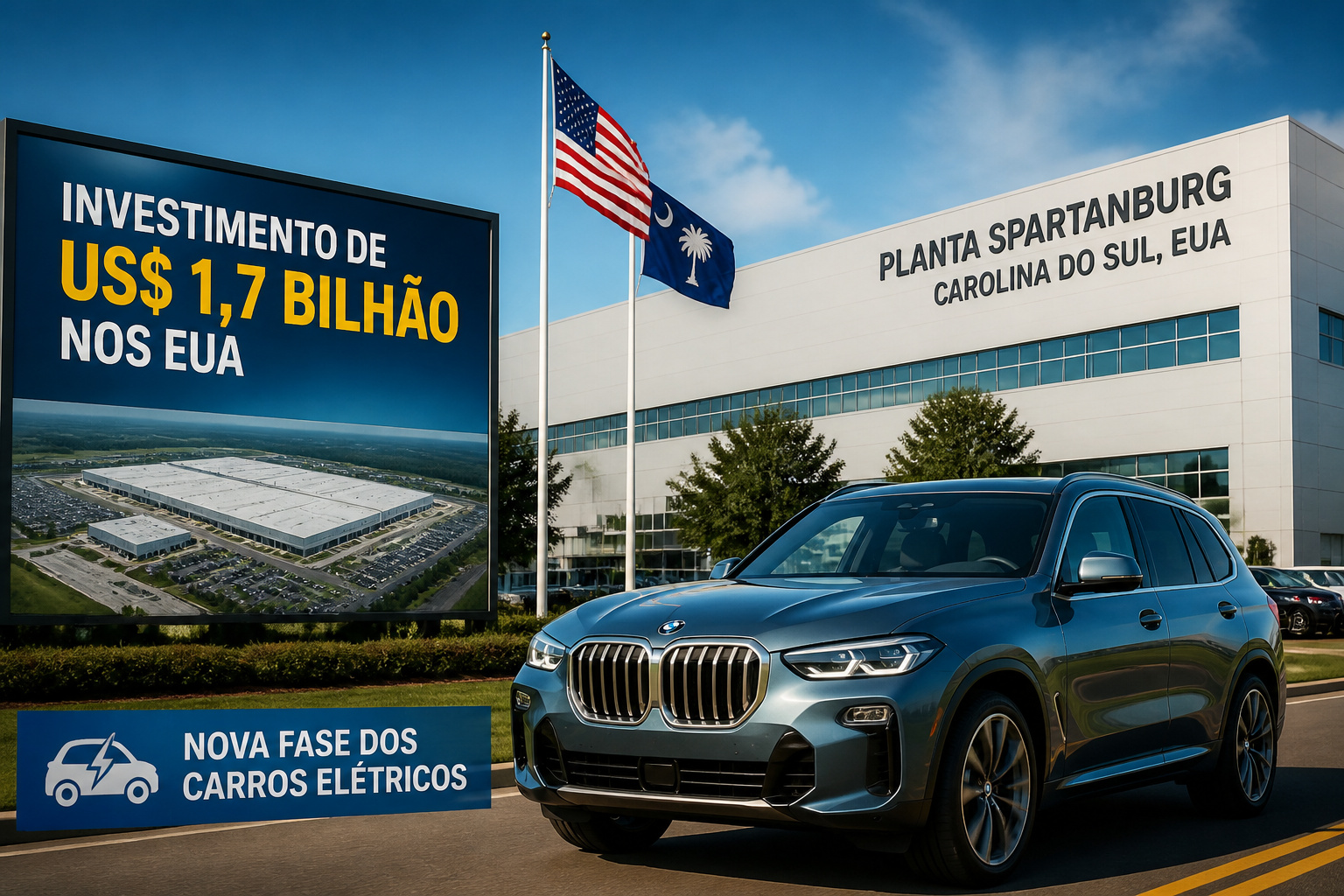
BMW Completes $1.7 Billion Investment in the U.S. for Electric Vehicle Production, Positions South Carolina for New Generation as Rivals Reassess EV Race
Moreover, international competition increases pressure. Cheaper electric vehicles from China compete for market space but end up subject to trade tariffs that raise the final price. The combination of these factors creates a complex scenario for the industry.
Lack of Charging Infrastructure
Another bottleneck is the charging network. There are still not enough points to support mass adoption of electric cars. This deficit discourages consumers who, despite their interest, cannot find the appropriate infrastructure to keep their vehicles charged safely and conveniently.
For automakers, forcing a transition without adequate infrastructure is a risk. After all, even if models are available, the user experience may be negative.
Zero Emissions: Ambitious Goal or Political Dream?
The goal of reducing CO₂ emissions by 100% by 2035 is seen by governments as necessary to combat climate change. However, for the automotive sector, it is still far from reality. Currently, only 15% of new cars sold in the European Union are electric. In the van segment, a crucial number for urban transport, this figure does not exceed 10%.
With this pace of adoption, reaching the proposed goal seems unfeasible. Consequently, there is a growing advocacy for a more realistic strategy that is less dependent on just one technology.
Alternatives Advocated by Automakers
The companies do not dispute that the future will be electric. However, they ask for the freedom to explore other alternatives until electric vehicles are ready for mass adoption.
Among the proposals presented are:
- Plug-in hybrids, which reduce emissions but still include a combustion engine.
- Hydrogen vehicles, a promising technology, but not widely adopted.
- Efficient synthetic fuels that can reduce environmental impact without relying exclusively on batteries.
This more flexible approach would allow for a diversified offer to consumers and ensure more affordable prices while the charging infrastructure evolves.
Direct Impacts on the Consumer
The debate affects not only automakers and regulators. For those purchasing vehicles, the consequences are clear. If the pressure for electric cars continues at a rapid pace, consumers may face:
- Fewer model options on the market;
- Reduced inventories;
- Higher prices in the short term.
On the other hand, a more gradual transition could mean a more varied portfolio, including hybrids with better cost-effectiveness and even more efficient internal combustion versions. This would allow time for the charging network to become robust and for battery production to be nationalized, reducing costs.