Portuguese
  Spanish


The international **oil** market has once again seen a sharp rise following the escalation of tensions between the United States and Iran. According to recent data, commodity prices rose by more than 2% amid the **stalemate in peace negotiations**, reinforcing a scenario of instability that is already pressuring investors and governments worldwide.
Early in the movement, **Brent** crude futures **advanced about 2.23%, reaching US$107.68 per barrel**, while **WTI rose 2.13%, reaching US$96.42**. This advance directly reflects concerns about the continued restrictions on oil flow, especially in the Strait of Hormuz region, one of the main global energy corridors.
At the same time, the market does not react only to numbers. It responds primarily to the increase in geopolitical risk, which, in this case, grows as negotiations between the two powers remain without an agreement.
-
OPEC+ Boosts Oil Supply by 188,000 Barrels per Day in July 2026, Leading to Price Drop from $112 to $89 per Barrel in Under Two Months

-
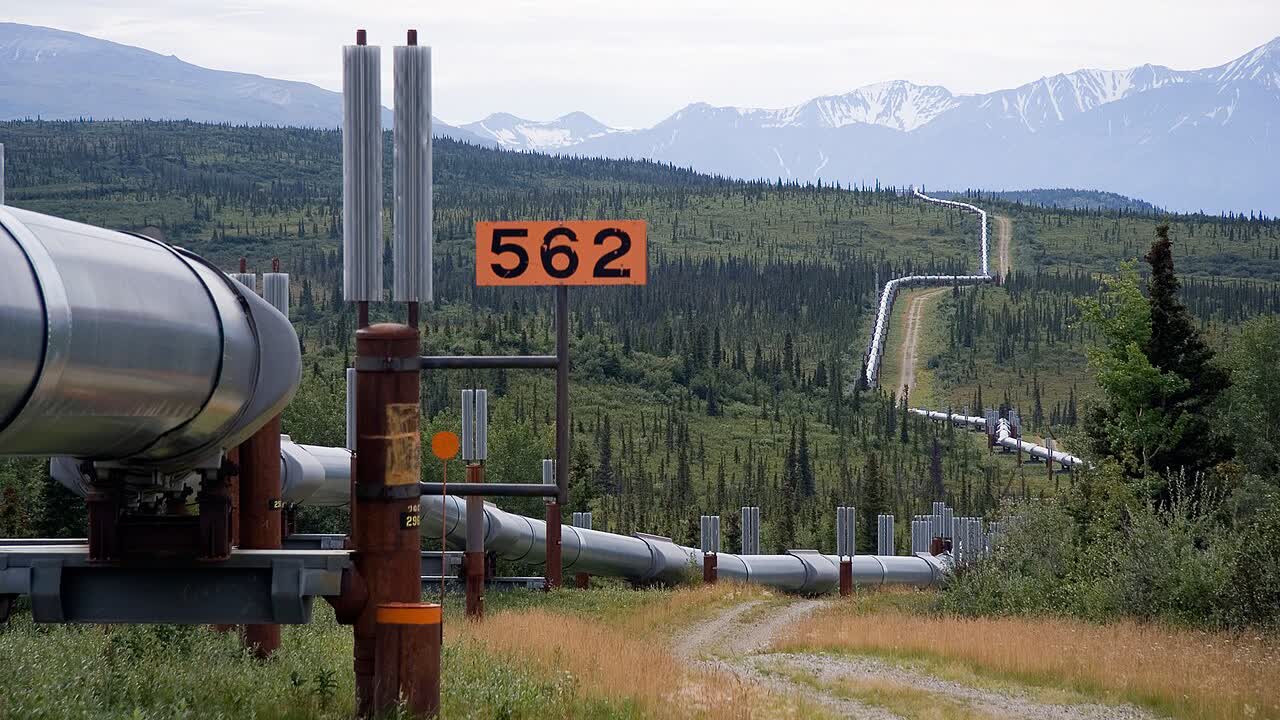
TotalEnergies Signs 20-Year Deal to Purchase 2 Million Tons of LNG from Alaska, Boosting Project Viability
-
Turkey Deploys Çağrı Bey Drilling Ship to Explore New Oil Frontier Off Somalia’s Coast
-
Golden Pass LNG Ships First Liquefied Gas Cargo from the U.S., Completing $10 Billion QatarEnergy and ExxonMobil Investment
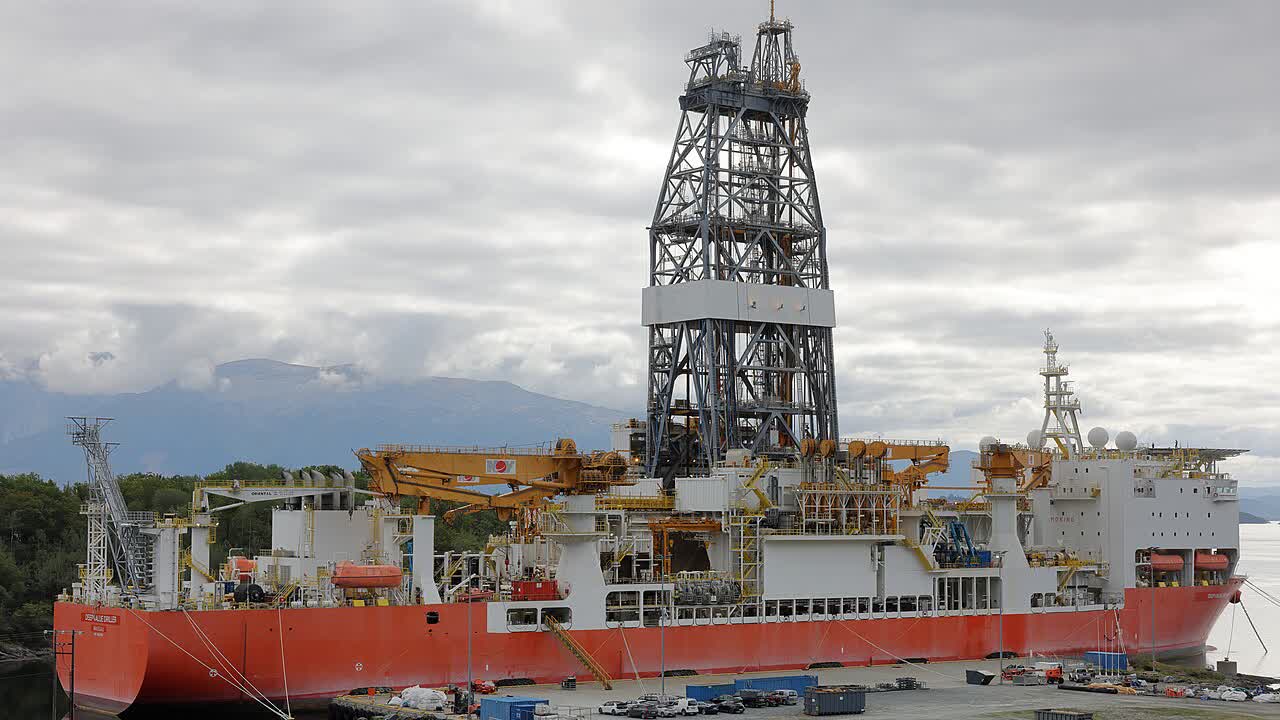

Understand why oil prices rise rapidly when peace negotiations fail in the Middle East
The behavior of oil prices follows a very clear logic in times of crisis. When there is a risk of supply disruption, the market anticipates scarcity and reacts with an immediate rise.
In this context, the stalemate between the US and Iran generates a dangerous combination of factors:
- **Uncertainty about oil flow** in the Persian Gulf region
- **Risk of military escalation**, which could affect production and transport
- **Partial restriction in the Strait of Hormuz**, limiting shipments
- **Speculative movement by investors**, which drives prices
Furthermore, the financial market often reacts even before any real disruption. In other words, the mere risk is enough to significantly raise prices.
This behavior is not new, but the current scenario becomes more critical due to the intensity of the conflict and the strategic importance of the region.

Strait of Hormuz returns to the center of the oil crisis and increases global volatility
The Strait of Hormuz continues to be the main point of tension in the oil market. This is because a significant portion of the world’s oil passes through this route daily.
Recent data indicates that the flow in the region remains limited, which directly contributes to higher prices.
When analyzing the importance of this route, experts highlight several decisive factors:
- **About 20% of global oil passes through Hormuz**
- **Major exporters depend on the region**, such as Saudi Arabia and Iran
- **Few viable logistical alternatives in the short term**
- **High market sensitivity to any interruption**
Furthermore, the current crisis has already caused a significant reduction in tanker traffic, with direct impacts on the global energy supply chain.
This scenario increases not only the price of oil but also the volatility of financial markets.
US-Iran stalemate pressures markets and reinforces economic uncertainties
Peace negotiations between the United States and Iran have been facing difficulties for weeks, keeping the market in a constant state of alert.
Although diplomatic attempts are underway, the limited progress in talks increases the risk of a prolonged conflict.
This stalemate generates direct impacts:
- **Continuous rise in oil prices**
- Increased risk aversion in global markets
- Pressure on stock exchanges
- Appreciation of safe-haven assets
Furthermore, investors are starting to price in more pessimistic scenarios, which contributes to frequent price fluctuations.
Another important point involves recent history. Whenever negotiations advance, oil tends to fall. Conversely, when impasses arise, prices surge again.
Oil above US$100 reignites global inflation and economic slowdown alert
The rise of oil above the US$100 per barrel mark reignites concerns about global inflation.
This happens because oil directly impacts various sectors of the economy:
- Fuels become more expensive, raising transportation costs
- Manufactured goods increase in price, due to rising energy costs
- Food prices rise, due to logistics
- Inflation intensifies, pressuring central banks
Furthermore, when inflation rises, governments tend to increase interest rates, which slows down economic growth.
This cycle can lead to broader consequences:
- Reduction in global consumption
- Decline in industrial activity
- Risk of recession in more fragile economies
At the same time, oil-importing countries face greater pressure on their external accounts, which further exacerbates the situation.

Restricted supply and geopolitical risk keep oil on an upward trend
The current oil scenario combines two factors that typically drive prices: limited supply and elevated geopolitical risk.
In the current situation, the restriction on the oil flow through the Strait of Hormuz acts as a significant logistical bottleneck.
Furthermore, the military escalation in the Middle East reinforces fears of more severe disruptions.
Among the main factors supporting the rise are:
- Reduction in tanker traffic
- Increased military presence in the region
- Uncertainty about diplomatic agreements
- Limited capacity to replace supply
Even if other countries increase production, the market cannot quickly compensate for significant losses.
Financial market reacts to oil and increases global volatility
The impact of oil goes beyond the commodity itself. It directly influences the behavior of financial markets.
In recent days, the increase in energy prices has caused:
- Decline in international stock markets
- Fluctuation in US futures indices
- Movement in energy company stocks
- Changes in interest rate expectations
Furthermore, companies linked to the oil sector tend to appreciate during commodity price hikes, while energy-dependent sectors face greater pressure.
This movement reinforces oil’s role as one of the main barometers of the global economy.
Energy transition still doesn’t reduce immediate impact of oil on the world
Despite advances in renewable energies, oil remains essential for the functioning of the global economy.
Dependence on the commodity remains high for several reasons:
- Global infrastructure still based on fossil fuels
- Growing demand for energy in emerging countries
- Difficulty of substitution in sectors such as aviation and heavy transport
- Still insufficient investments in sustainable alternatives
Therefore, crises like the current one continue to generate significant impacts, even with the advancement of the energy transition.
Possible scenarios for oil amid the US-Iran standoff
The oil market could follow different paths depending on the evolution of negotiations.
Among the main scenarios are:
- Diplomatic agreement, which could quickly reduce prices
- Maintenance of the standoff, sustaining high prices
- Escalation of the conflict, with an even greater impact on supply
- Drop in demand, should the global economy slow down
Furthermore, any concrete sign of progress in negotiations tends to cause immediate price adjustments.
On the other hand, the continuation of tensions keeps the market in a constant state of alert.
Oil remains a protagonist in the global economy amid the crisis
The current scenario reinforces the strategic role of oil in the world economy. Even in the face of structural changes, the commodity remains essential for the functioning of various sectors.
The combination of factors such as geopolitical tension, supply restriction, and economic uncertainty creates a highly volatile environment, which is expected to continue influencing markets and economic policies in the coming months.
Given this, monitoring oil movements becomes fundamental to understanding not only the energy sector but also the behavior of the global economy as a whole.