Portuguese
  Spanish


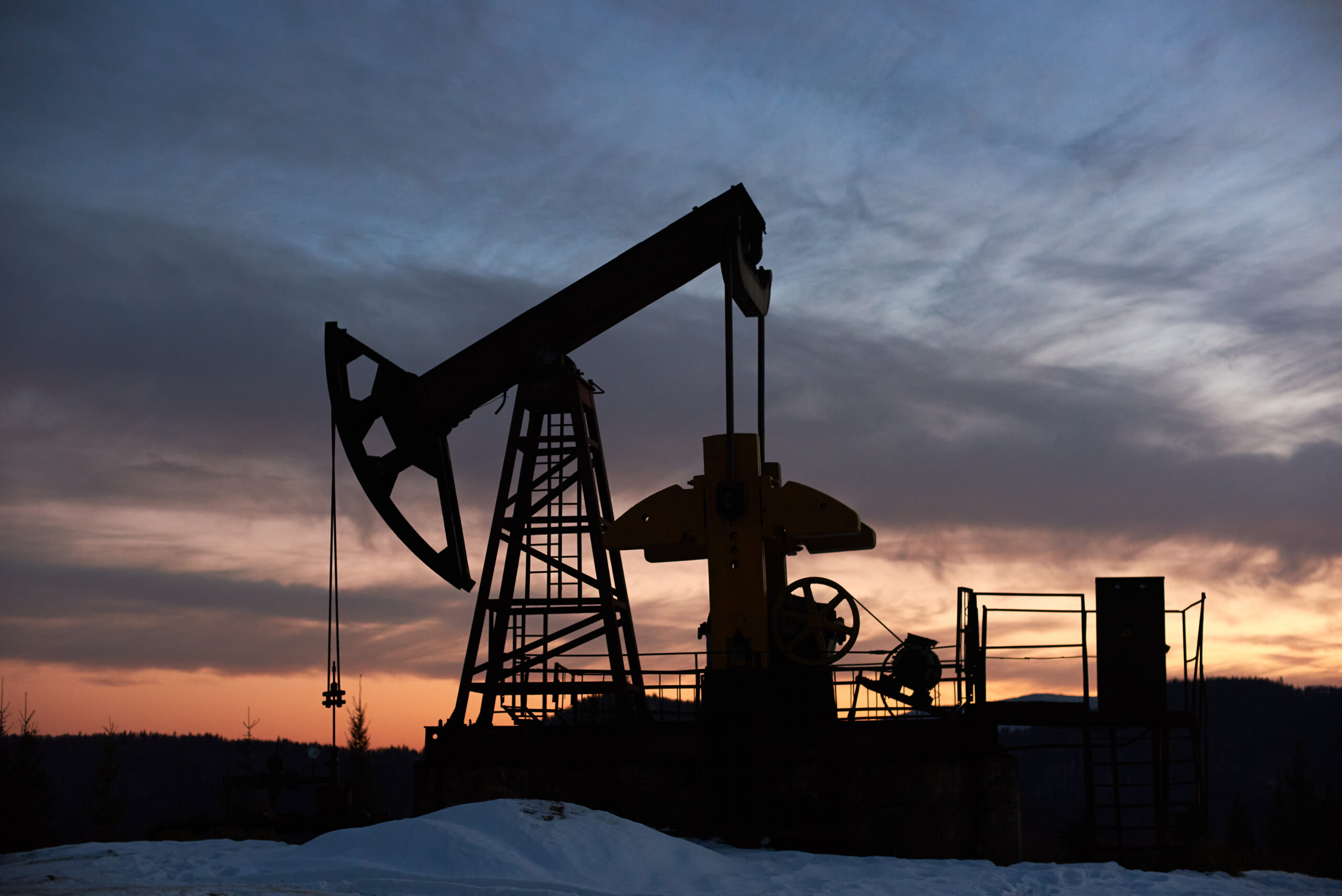

The international oil market has risen strongly, directly reflecting the aggravation of geopolitical tensions in the Middle East.
As negotiations between the United States and Iran remain stalled, investors react with caution — and at the same time, drive commodity prices.
This movement does not occur by chance. On the contrary, it reveals how oil continues to be one of the most sensitive assets to international crises. Whenever there is a risk of supply disruption, the market anticipates impacts and quickly adjusts prices.
Oil rises for the fourth straight session!
According to recent market data, futures contracts for oil recorded gains for the fourth consecutive session. The WTI barrel rose about 3.11%, reaching US$ 95.85, while Brent increased approximately 3.1%, reaching US$ 105.07.
-
OPEC+ Boosts Oil Supply by 188,000 Barrels per Day in July 2026, Leading to Price Drop from $112 to $89 per Barrel in Under Two Months

-
TotalEnergies Signs 20-Year Deal to Purchase 2 Million Tons of LNG from Alaska, Boosting Project Viability
-
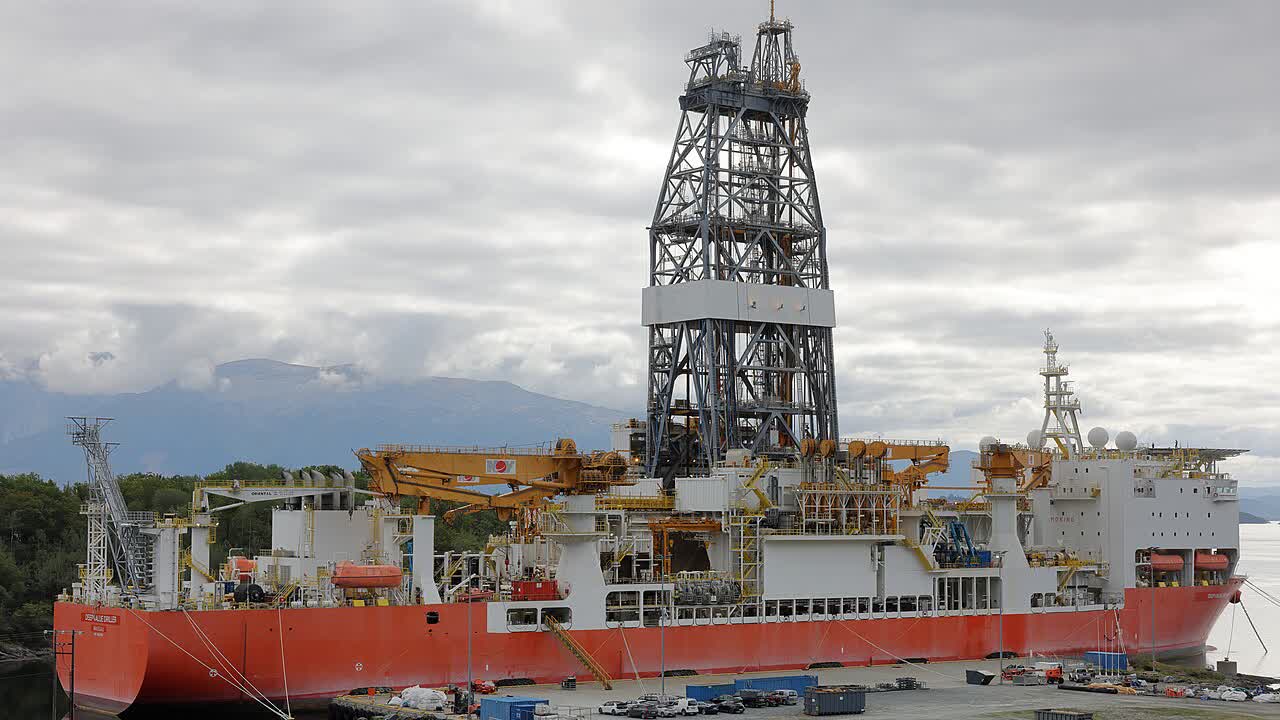
Turkey Deploys Çağrı Bey Drilling Ship to Explore New Oil Frontier Off Somalia’s Coast
-
Golden Pass LNG Ships First Liquefied Gas Cargo from the U.S., Completing $10 Billion QatarEnergy and ExxonMobil Investment
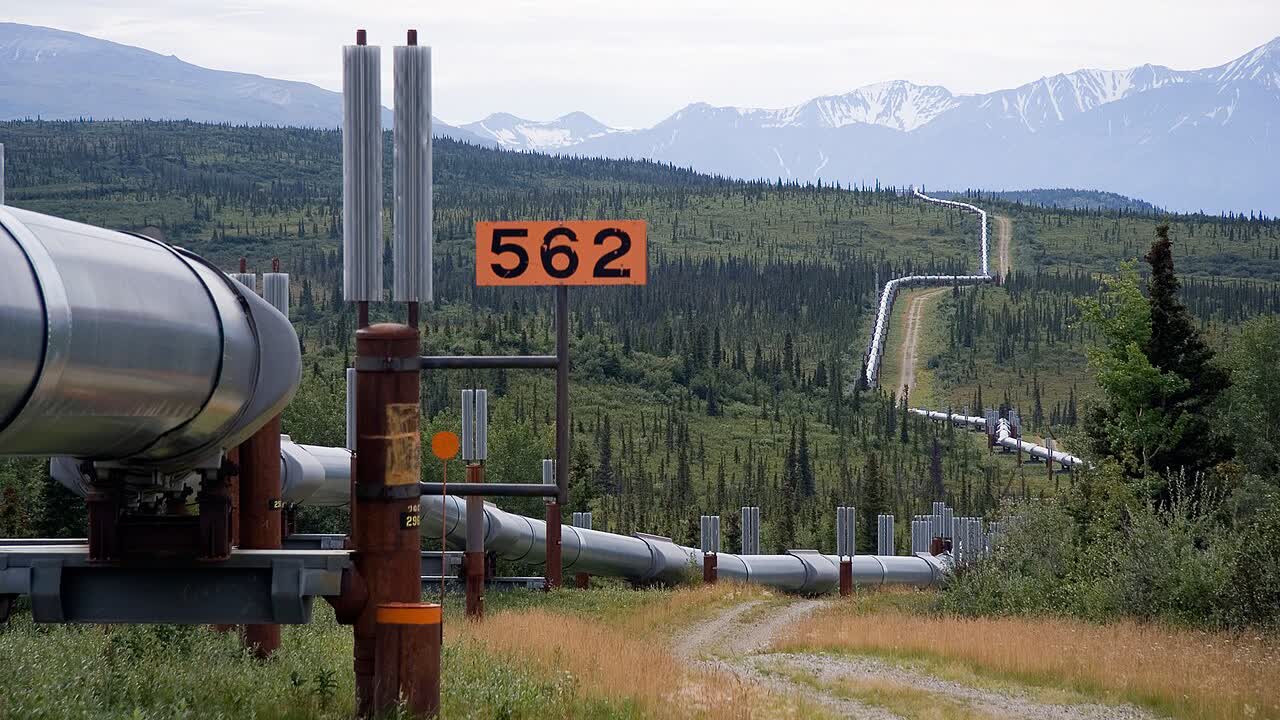

This performance reinforces a clear trend: the market is already pricing in the risk of a greater escalation in the conflict. Additionally, the absence of progress in negotiations directly contributes to maintaining the upward bias.
Therefore, this is not just a one-off movement. It is a continuous response to uncertainty.

Stalled negotiations increase tension
While authorities try to keep diplomatic channels open, the latest signs indicate a deadlock. The departure of key figures from negotiations and the hardening of positions make any concrete progress difficult.
At the same time, strategic decisions increase pressure. The United States, for example, has already indicated that it may respond more harshly to threats in the Strait of Hormuz, especially involving possible attacks on vessels.
This scenario creates an immediate effect on the oil market, as any risk to navigation in the region directly impacts global supply.
Hormuz returns to the center of the oil crisis
The Strait of Hormuz does not appear in the news by chance. It is one of the most important maritime corridors in the world for energy transportation.
When there are restrictions or threats in the region, the effects spread quickly:
- reduction in oil export flow
- increased perception of global risk
- pressure on international stocks
- surge in future prices
Additionally, recent reports indicate a halt in maritime traffic at certain times, which further intensifies volatility.
Consequently, the market reacts even before a real disruption occurs.


Why does oil react so quickly to crises
The behavior of oil in the face of conflicts follows a relatively predictable logic. Whenever there is a threat to supply, prices rise. However, some factors accelerate this movement:
- concentration of production in unstable regions
- global dependence on maritime transport
- difficulties in immediate supply replacement
- direct influence on inflation and the economy
In this context, the impasse between the United States and Iran brings together all these elements. That is, it is an almost perfect scenario to drive up the price of oil.
Direct effect on pocket and economy
Although the numbers from the financial market attract attention, the impacts go far beyond the stock exchanges. The rise in oil tends to spread across different sectors of the economy.
Among the main effects, the following stand out:
- increase in fuel prices
- increased cost of transporting goods
- inflationary pressure
- rise in industrial costs
Moreover, energy-importing countries suffer even more, as they have to deal with higher costs in dollars.
On the other hand, exporting nations may benefit momentarily. However, this gain often comes with greater geopolitical instability.
History shows reaction pattern
The relationship between conflicts and rising oil is not new. Historical episodes show that crises in the Middle East often result in spikes in prices.
A classic example is the 1973 oil crisis, when supply restrictions caused the price of a barrel to quadruple in a few months, generating profound global impacts.
Today, although the market is more diversified, the logic remains similar. Whenever supply is at risk, the price reacts immediately.
The role of expectation in the market
Another important point involves the psychological factor. The oil market does not react only to concrete facts but also to expectations.
When investors perceive that:
- negotiations are not progressing
- tensions are rising
- military decisions are on the agenda
they anticipate negative scenarios and adjust their positions. This alone already puts upward pressure on prices.
That is, even without an actual interruption, the price rises based on perceived risk.

What may happen next
The trajectory of oil in the coming days directly depends on the course of negotiations between the United States and Iran.
If there is diplomatic progress, the market may react with:
- decrease in prices
- reduction in volatility
- relief in supply chains
On the other hand, if the impasse continues — or worse, if there is military escalation — the scenario tends to be the opposite:
- new highs in oil
- increased global instability
- even greater pressure on the economy
Moreover, any movement in the Strait of Hormuz will continue to be decisive.
Oil continues as a thermometer of geopolitics
Amid this scenario, a practical conclusion emerges: oil continues to function as a true thermometer of international tensions.
Whenever risk increases, prices react almost instantly. Similarly, any sign of stability tends to relieve the market.
Therefore, monitoring the behavior of oil means, in practice, keeping track of the pulse of global geopolitics.