






 Portuguese
  Spanish
  5 min of reading
  0 comments


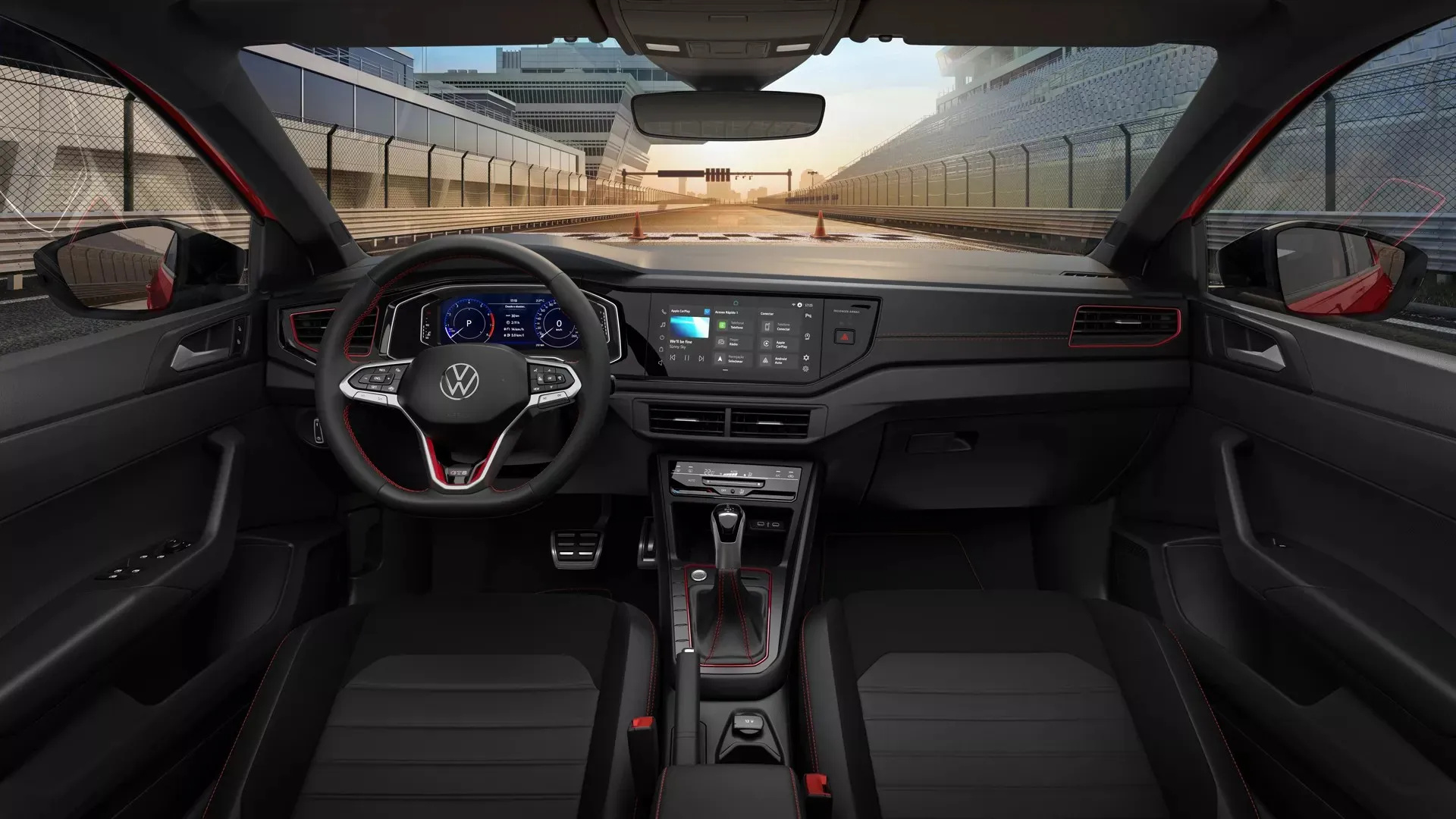
When it comes to modern compact cars, the Onix vs Polo stands out as one of the hottest comparisons in the Brazilian market. Both models have moved beyond being mere means of transportation to becoming digital platforms on wheels. The competition goes beyond engine or consumption: today the question is which of the two offers more connectivity, convenience, and driving pleasure in the daily digital life.
Technological Evolution and Connectivity
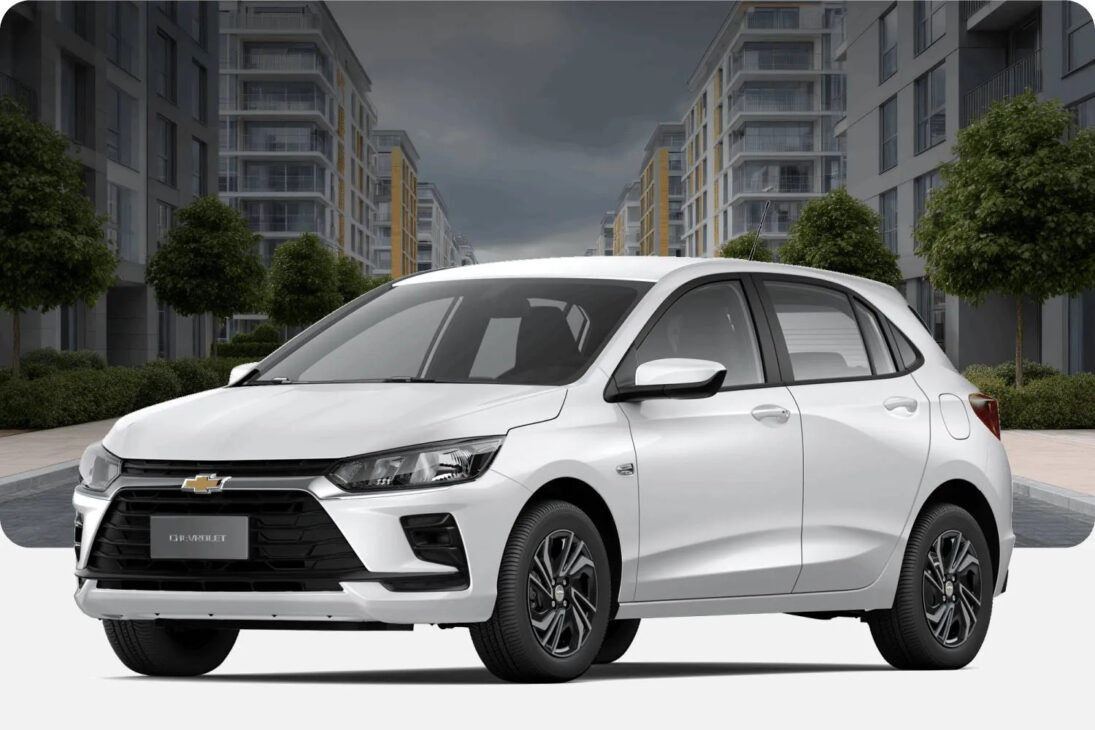
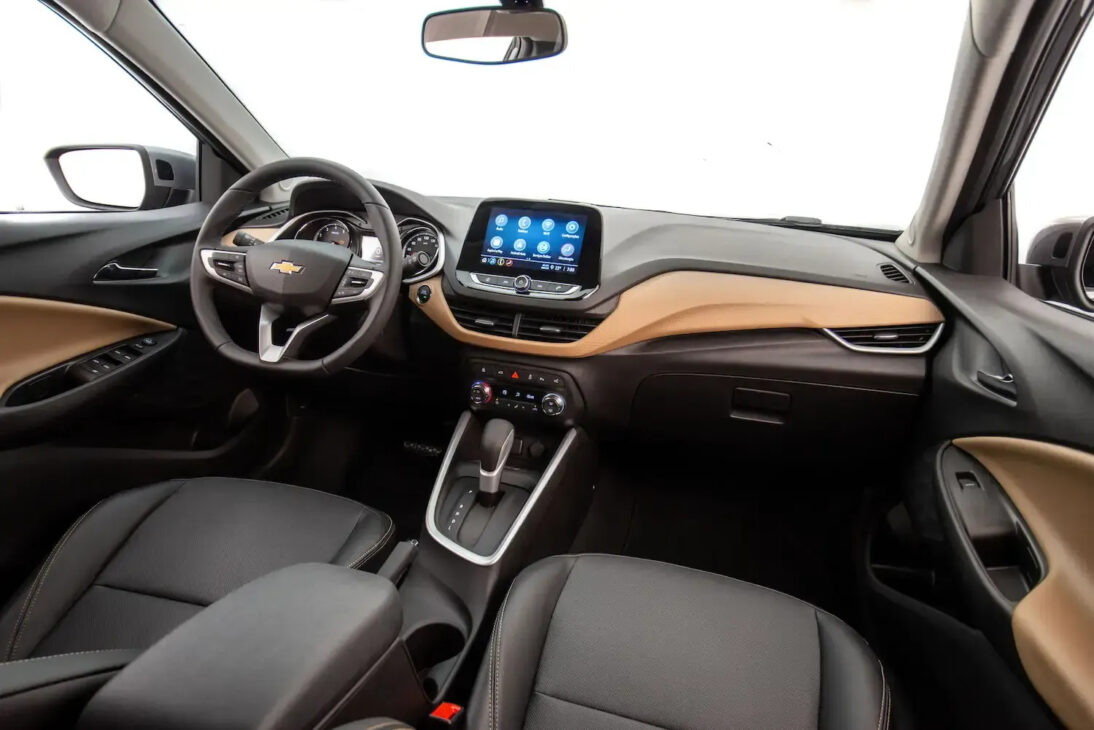
The Chevrolet Onix revolutionized the segment by being the first popular compact car to offer technologies that were previously only seen in more expensive sedans or SUVs. Since the early generations of MyLink, the multimedia center already featured smartphone mirroring, steering wheel controls, and integration with the OnStar system. The latter is a distinctive feature: it is an assistance and connectivity service that keeps the car in constant dialogue with the driver and the brand’s call center. Chevrolet expanded this bet by incorporating native Wi-Fi with a dedicated antenna, allowing passengers to browse with a stable signal, even on long trips. The Onix thus democratized access to onboard technologies that have become a benchmark for the competition.
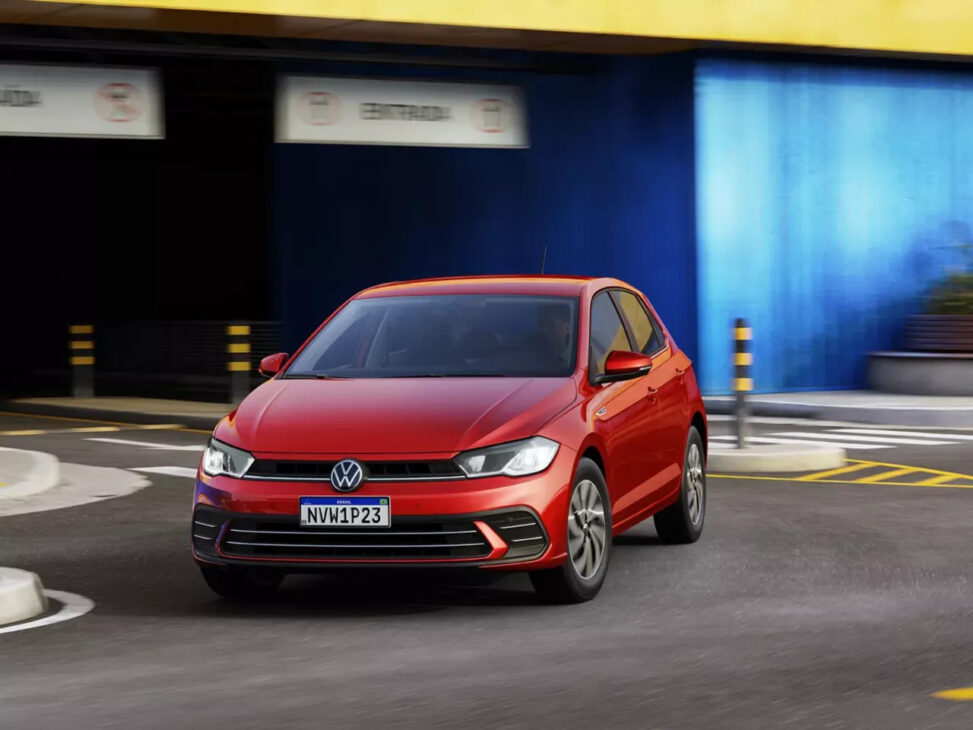
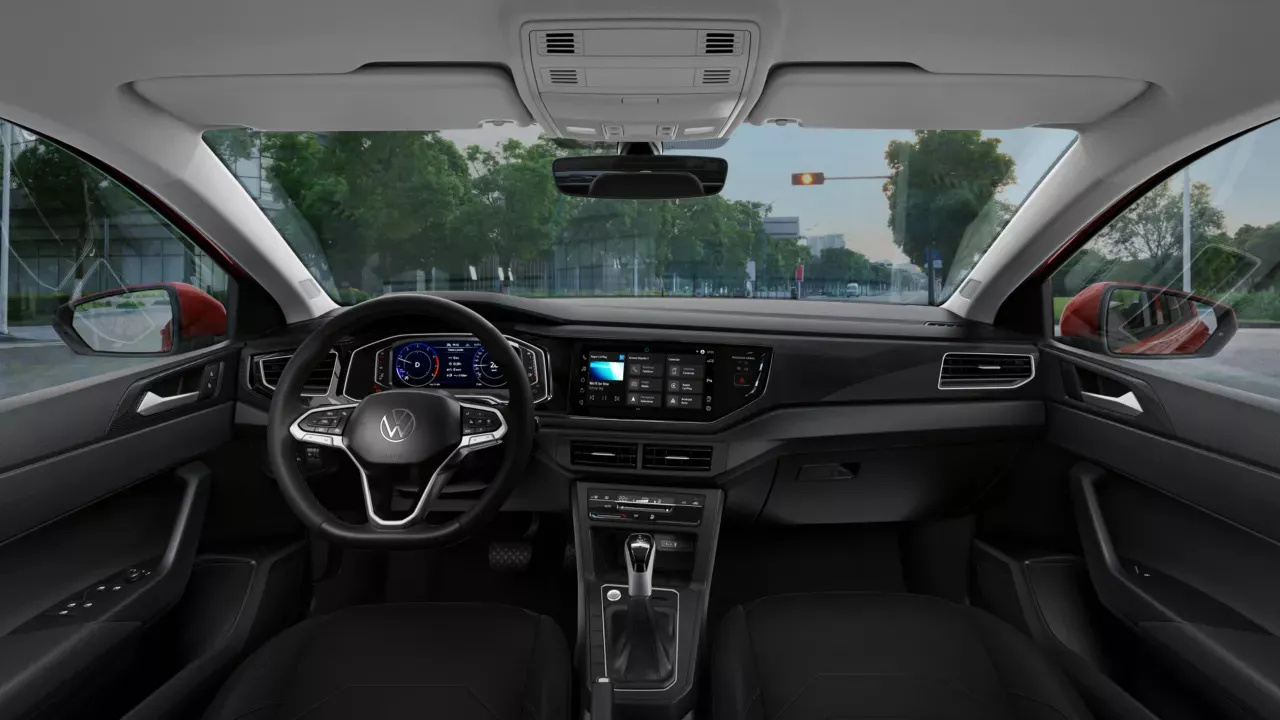
On the other hand, the Volkswagen Polo, true to the DNA of the German brand, took a different path: to offer a sophisticated digital experience, almost like that of a premium model cockpit. The highlight is the Active Info Display digital panel, fully configurable, and the VW Play multimedia center, which can reach 10.25″ in more expensive versions. This high-definition screen provides smooth navigation, attractive visuals, and easy customization of functions. Volkswagen maintained its tradition of ergonomics and refined interface, enhancing the feeling that the driver is in command of a higher-class car.
-
Uber Faces Shareholder Scrutiny as Board Accused of Ignoring Safety, Compliance, and Harassment Warnings Amid Over 3,500 U.S. Lawsuits

-
Ferrari’s First Electric Car Divides Fans, Priced at $630,000, Amid Concerns Over Limited Editions; Brand Clarifies It’s Not Just for Future Perks
-
BYD Dolphin Mini: The Electric Car That Defies Depreciation, Losing Only 3.58% in a Year and Becoming the Best-Selling Retail Model Under $22,000

-
Electric Car JAC E-JS4 Loses $19,000 in Value in One Year, Leading Record Depreciation of Used Cars in Brazil Due to Expensive Battery and New Models


Onix vs Polo: while the Onix made the concept of a connected car accessible for families and young drivers, the Polo aimed to create a premium experience on a compact scale.
Size and Usability of the Multimedia Center
In the Onix Premier, the 8″ multimedia center may seem modest in size compared to the Polo’s screen, but it compensates with functionality. It offers intuitive controls, quick response, and wireless integration with Apple CarPlay and Android Auto, in addition to the already mentioned onboard Wi-Fi. Features like a rearview camera, parking sensors, and automatic parking assistance reinforce usability in urban daily life. Chevrolet’s proposal is clear: technology that simplifies routines and guarantees comfort without requiring large additional investments.
In the Polo Highline, the experience is more scenic. The 10.25″ screen stands out on the dashboard and conveys the feeling of being in front of an advanced tablet. Alongside this, the digital panel completely replaces analog instruments, allowing the driver to customize the information they wish to see: navigation map, trip computer, or media data. It is an immersive experience that combines sophistication and modernity. Those who value large screens and refined interfaces are likely to be enchanted by Volkswagen’s proposal.
Ergonomics and Interface Design
The user experience goes beyond inches. In the Polo, the combination of the multimedia screen and the digital panel creates a futuristic environment. The internal finish reinforces this proposal, with higher quality plastics and button layout designed to reduce distractions. The Onix, on the other hand, maintains the tradition of a simple and intuitive center, with well-positioned physical controls that please drivers who prefer practical operation without excessive menus.
This competition shows how Onix vs Polo appeals to distinct profiles: while the Polo enchants technology and design enthusiasts, the Onix wins over those looking for ease and quick integration with their smartphones.
Embedded Connectivity Versus Dependence on Cell Phones
The Onix has a distinguishing feature that is hard to ignore: embedded connectivity. The native Wi-Fi, combined with OnStar, transforms the car into an independent digital hub, something uncommon in the segment. In addition to comfort, there is also an extra layer of security, as OnStar includes emergency assistance and tracking in case of theft.
The Polo focuses on the “bring-your-own-device” concept, meaning the car provides the perfect environment for the smartphone to be the center of the experience. With projection via Apple CarPlay and Android Auto, the driver uses familiar apps, but doesn’t have dedicated Wi-Fi. This choice reflects the brand’s more rational style: well-constructed interfaces, but dependent on external connection.
Integration with Smartphone and Daily Use
Both the Onix and Polo offer compatibility with the most used mirroring systems, which already meets most drivers’ needs. The difference lies in how each car translates this integration into daily life. In the Onix, one simply enters, connects, and enjoys its own internet, without depending on the cellphone data plan. For families, this means everyone can stay online during trips, something especially useful for those with children or who work on the move. The Polo, however, stands out in interface design, bringing precise tactile commands and quality graphics, which make using apps or navigating the system a more engaging experience.
Quick Comparison
| Feature | Onix (MyLink / Premier) | Polo (VW Play / Highline) |
|---|---|---|
| Multimedia Screen | 8″, intuitive, with wireless connection | 10.25″, premium look and highly configurable |
| Embedded Connectivity | Native Wi-Fi, OnStar, remote updates | Smartphone mirroring, no factory Wi-Fi |
| Instrument Panel | Analog or simple digital in more expensive versions | 100% digital panel with customization options |
| Additional Features | Parking assistant, blind spot alert | Paddle shifters, auto-dimming rearview mirror |
| Profile | Practicality and broad connectivity | Digital sophistication and immersive experience |
Which to Choose: Buyer Profiles
The comparison Onix vs Polo makes it clear that there is no “absolute winner.” The Onix attracts drivers seeking cost-effectiveness combined with embedded technology, especially families that value Wi-Fi and connected safety services. The Polo, on the other hand, targets consumers who want a compact with digital refinements, high-quality finishing, and the feel of being in a higher-class car.
In an increasingly connected market, the Onix vs Polo rivalry shows how two hatchbacks can cater to different audiences without losing relevance. The Onix stands out for its accessible and robust connectivity, while the Polo shines in the immersive and premium experience. In the end, the choice depends on which type of technology aligns better with your lifestyle: practicality or digital sophistication.





Be the first to react!