Portuguese
  Spanish


The federal government issued in May the Provisional Measure No. 1,360/2026 and changed at once the requirements to work as a motorcycle courier and motorcycle taxi driver in Brazil. Those who only have the Authorization to Drive a Moped can legally work in both sectors, on a motorcycle of up to 50cc. The rule is already in effect.
Before the PM, the legislation was much stricter. The worker needed a Category A Driver’s License, had to be at least 21 years old, and have at least two years of driving experience. Without any of these three requirements, motorcycle courier and motorcycle taxi were out of reach.
The text came from Senatran, linked to the Ministry of Transport, and directly alters the Brazilian Traffic Code and Law 12,009 of 2009. Specifically, the PM repeals Article 139-A of the BTC and the second article of the Motorcycle Courier Law.
-
Sales of Brazil’s Cheapest Electric Car Halted Before First Deliveries: E-Motors Suspends Emova Easy Due to Import Tax Increase and Rising Freight Costs

-
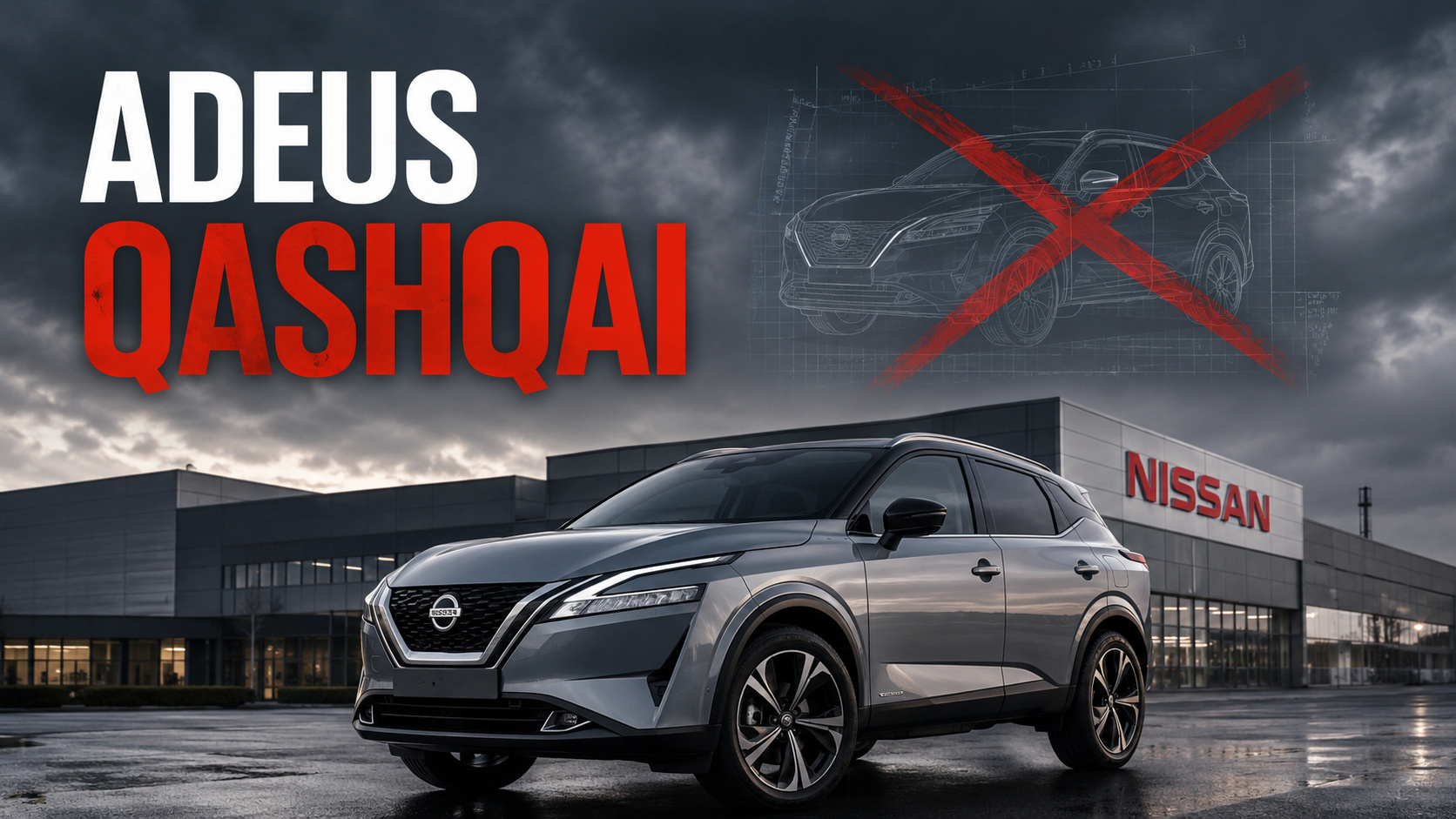
Nissan Discontinues Qashqai SUV Amid Cost-Cutting, Chinese Competition, and Product Line Review

-
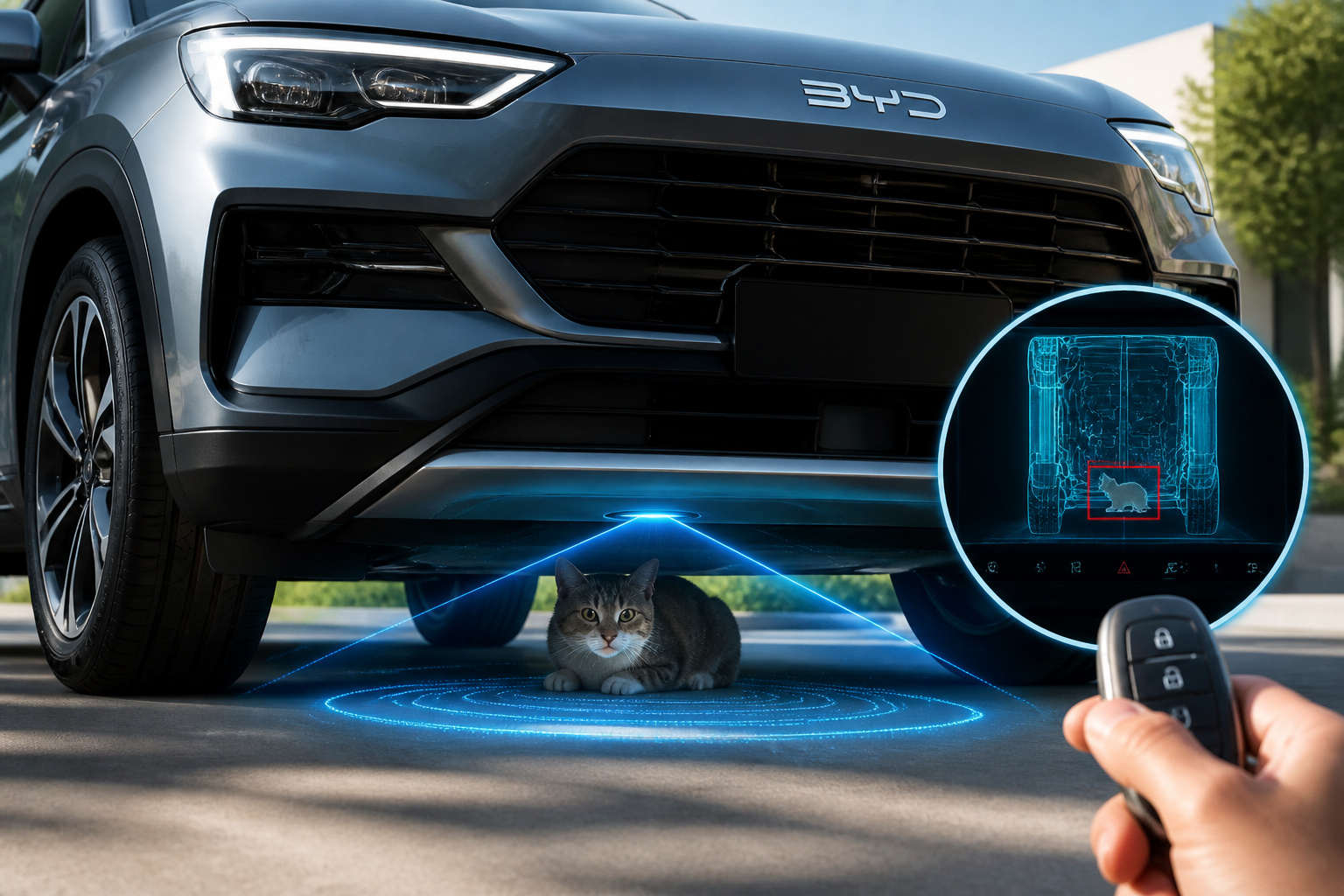
BYD Patents Revolutionary System Using Computer Vision to Detect Animals Under Cars Before Starting, Preventing Tragedies

-
Study Reveals Why Cars Are More Expensive to Produce and Buy in Brazil Compared to Mexico, Highlighting Taxes, Logistics, and Industrial Costs as Key Factors.


Law 12,009 was created over fifteen years ago to organize the sector. It established minimum safety requirements, age, and specialized courses for motorcycle couriers and motorcycle taxi drivers. It was the package that had been refined by Contran resolutions since then.
What changes in practice is the universe of who can work on two wheels. Before, only motorcyclists with a Category A Driver’s License could join the game. Now, any Brazilian over 18 with the Authorization to Drive a Moped is allowed to transport people and goods for payment.
The scenario is not small. The motorcycle courier and app delivery sector currently gathers hundreds of thousands of self-employed workers in Brazil, according to data from unions and associations in the category. It is one of the main entry points into the informal labor market in large capitals.
The technical detail matters: the vehicle needs to be a moped, a class of low-displacement motorcycle that goes up to 50 cm³. This defines popular models like the Honda Pop and the older Honda Biz. Larger motorcycles still require a Category A Driver’s License.
Looking at the calendar, you can see the contradiction. The PM was published during Yellow May, a month of official traffic safety campaigns. Easing access to professions on motorcycles right in this month was what most bothered road safety specialists.
How the PM affects motorcycle couriers and motorcycle taxi drivers in Brazil

Retired Colonel of the Military Police of Santa Catarina Ricardo Silva, a road safety specialist, was one of the first to comment on the PM. In an interview with CNN Brazil, he warned about the possible effects of a change made without prior technical studies.
“This permission will have impacts on road safety, public health, enforcement, and also on mortality and injury rates,” Silva told CNN Brasil. The colonel also mentioned impacts on the SUS and the social security system, as delivery riders lead statistics on serious accidents.
Anyone who sees a delivery rider every day on the work street understands the tension behind this phrase. Serious accident, fracture, leave, examination, social security: it’s a chain of public impact when the sector explodes in volume without maturing training.
The opposing argument also has strength. For many young Brazilians from medium-sized cities or the outskirts, the moped is the cheapest vehicle available. Buying a bigger motorcycle is an investment that doesn’t even fit into the budget. Without a valid ACC for delivery services, this profile was locked out of the formal two-wheel market.
The flexibility is part of a larger backdrop, which is the digitization of paid transportation in the country. Almost everything that delivery riders and motorcycle taxi drivers do today goes through apps, with platforms requiring quick registration, active profiles, and a constant flow of deliveries. Access to the profession has become a matter of registration funnel, not just classic regulation.
The MP for delivery services is part of a much larger government package. Along with it comes a federal program of R$ 30 billion to finance new cars for taxi drivers and app drivers, with facilitated credit access. The official reading is the modernization of the paid individual transport fleet.
The two-wheel sector, specifically, is experiencing a moment of growing demand. The CNH in Brazil hit a record of over 300% in the first quarter of 2026 with 4.8 million people applying for their first license. Part of this movement is people entering precisely into paid transportation.
Even with the flexibility, some requirements remain. Contran Resolution No. 930 of 2022 maintains the specialized 30-hour course for delivery riders and motorcycle taxi drivers, with theoretical and practical modules. Resolution 1.020 of 2025 allowed part of this course to be offered in EAD, which has already reduced costs and decentralized training.
The immediate unlocking, however, has a constitutional asterisk. Like any provisional measure, 1.360/2026 needs to be reviewed by the National Congress within the legal timeframe to become permanent law. If it falls, the old rule returns. If it passes with amendments, it can still be modified at the time of conversion.
For the young Brazilian of 18 without money for a big motorcycle, the entry door to informal work on two wheels has opened. For the State and for enforcement, comes the challenge of adapting courses, registration, and control for a broader universe of professionals.
I confess that I look at this change with mixed feelings. On one hand, more Brazilians can work on a cheap motorcycle. On the other, the public hospital queue is already full of injured delivery riders and no technical impact study published. Do you think this MP is progress or a setback for those working on two wheels? Comment below what you think.