Portuguese
  Spanish


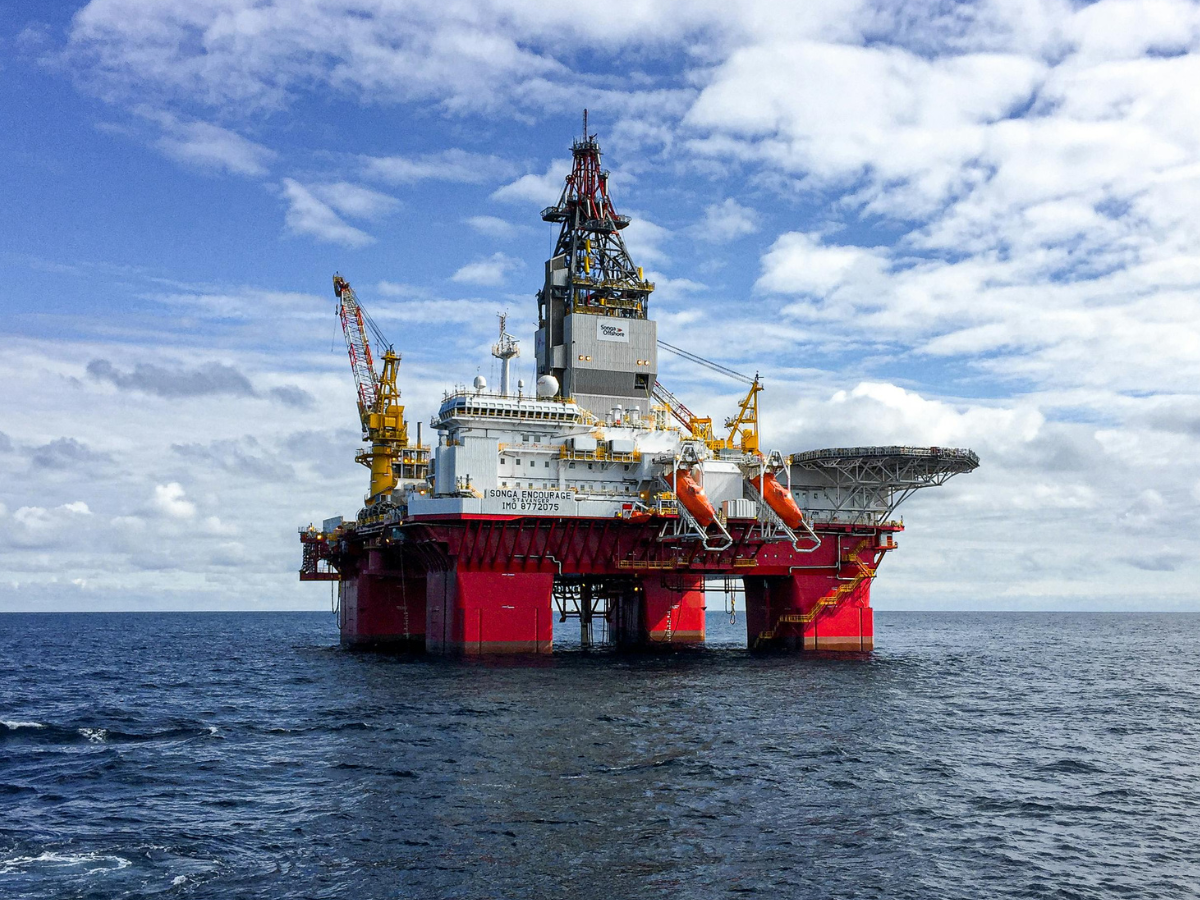


Ranking Of The Largest Oil Reserves In The World Reveals Contrasts Between Wealth And Crisis. Survey Shows Countries With The Most Barrels Stored And Highlights Economic, Political And Technological Challenges Faced.
A recent survey by World Atlas reveals that Venezuela is the country with the largest oil reserves in the world, totaling an impressive 300.9 billion proven barrels. However, the South American country is undergoing a deep economic crisis, showing that possessing abundant oil does not automatically equate to financial stability or social development.
Despite its leadership, Venezuelan oil is of the heavy type, with high extraction and refining costs. Additionally, international sanctions and political instability hinder the export of the product, limiting the country’s ability to convert its natural wealth into sustainable economic growth.
Countries With The Largest Oil Reserves In The World
- Venezuela – 300.9 billion barrels
- Saudi Arabia – 266.5 billion barrels
- Canada – 169.7 billion barrels
- Iran – 157.8 billion barrels
- Iraq – 150 billion barrels
- Russia – 103.2 billion barrels
- Kuwait – 101.5 billion barrels
- United Arab Emirates – 97.8 billion barrels
- United States – 48.5 billion barrels
- Libya – 48.4 billion barrels.
Middle East Dominates The Market With Cheap Extraction Oil
Saudi Arabia, with 266.5 billion barrels, ranks second and is one of the most successful examples of utilizing the largest oil reserves in the world.
-
OPEC+ Boosts Oil Supply by 188,000 Barrels per Day in July 2026, Leading to Price Drop from $112 to $89 per Barrel in Under Two Months

-
TotalEnergies Signs 20-Year Deal to Purchase 2 Million Tons of LNG from Alaska, Boosting Project Viability
-
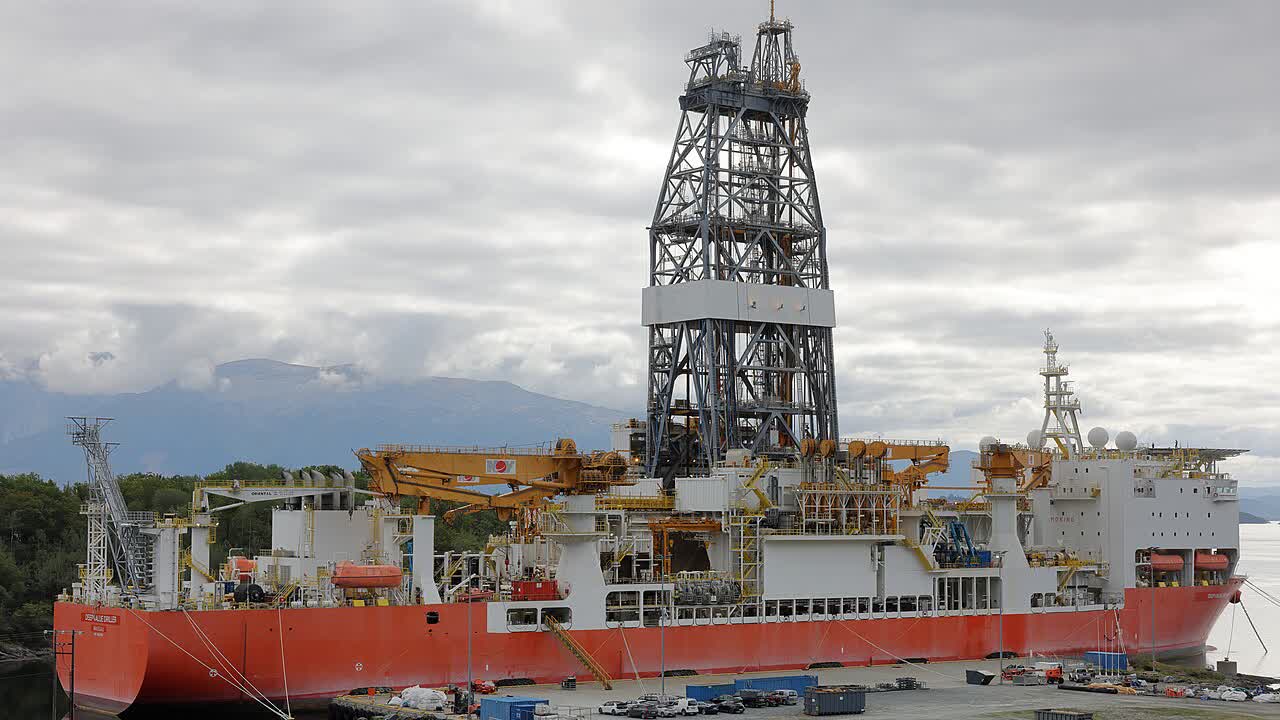
Turkey Deploys Çağrı Bey Drilling Ship to Explore New Oil Frontier Off Somalia’s Coast
-
Golden Pass LNG Ships First Liquefied Gas Cargo from the U.S., Completing $10 Billion QatarEnergy and ExxonMobil Investment


The country, like Iran and Iraq, possesses light oil, which requires lower extraction and processing costs, ensuring strong global competitiveness.
According to OPEC (Organization of the Petroleum Exporting Countries), its members hold 79.1% of the planet’s proven oil reserves, with 67.3% located in the Middle East.
This concentration gives countries in the region enormous influence over international energy policy.
Canada And Russia Have Large Reserves But Face Geographical And Environmental Barriers
Canada ranks third with 169.7 billion barrels but faces technical difficulties.
Most of its oil is found in oil sands, significantly increasing the costs and environmental impacts of extraction.
Russia, in sixth place, also faces geographical challenges in hard-to-access regions and experiences international tensions that affect its export capacity.
Brazil Ranks 15th In The Global Ranking
Although not among the leaders, Brazil holds the 15th position with 16.2 billion barrels, equivalent to about 1% of global reserves.
The country has been heavily investing in the pre-salt, a region rich in high-quality oil, and aims to expand its production in the coming years.
However, it still depends on technological advancements and regulatory stability to explore its maximum potential.
Oil Is Still Essential, But The Future Points To Energy Transition
Even with the advancement of renewable sources, oil remains a fundamental resource for fuels and industrial inputs. However, the global landscape is beginning to change.
Environmental pressures and the pursuit of carbon emission reductions should gradually decrease dependence on oil, affecting both production and the relevance of the largest oil reserves in the world.
Countries that manage to diversify their economies and invest in low-carbon technology will be better prepared for a future where oil may no longer be the protagonist of the global energy matrix.
Source: Época Negócios