Portuguese
  Spanish


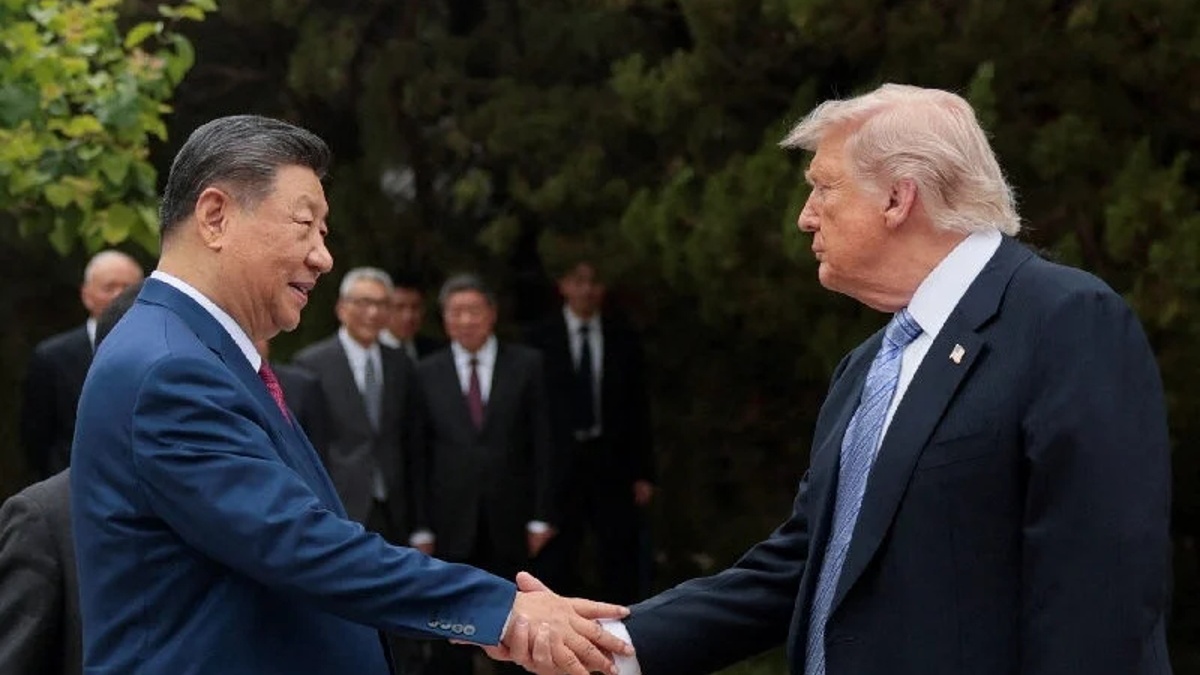

The futures contracts of the main North American indices started this Friday down in the pre-market, reflecting increased caution among investors due to concerns about global inflation and volatility in the oil market.
The scenario gained strength after speculations about a possible increase in Chinese purchases of oil from the United States.
Furthermore, geopolitical tensions and fluctuations in commodity prices continue to pressure international financial markets. Analysts state that the environment of uncertainty reinforces risk aversion and keeps investors attentive to the economic impacts of persistent inflation and movements in the global energy sector.
U.S. Pre-market Starts the Day Down
The main futures indices of Wall Street opened Friday operating down.
-
Oil production grows in Rio, but reserve replacement raises a warning sign

-
Petrobras is expected to complete the drilling of the Morpho well in the Foz do Amazonas in August 2026, the first well in the Equatorial Margin, an oil frontier that the ANP estimates at more than 30 billion barrels and could redraw the map of Brazil.

-
Oil returns to the center of concerns with tension between the US and Iran

-
IEA reduces forecast for global oil demand in 2026 after impacts of the Middle East crisis



Moreover, investors are showing growing concern about inflation, interest rates, and the behavior of the international energy market.
Experts state that periods of economic instability tend to increase caution in the financial market.
In this context, global stock exchanges are closely monitoring economic and geopolitical developments.
Oil Continues to Influence Global Markets
The international oil market remains one of the main pressure factors on investors.
Additionally, fluctuations in commodity prices impact inflation, transportation, industry, and global economic expectations.
Experts affirm that oil has a direct influence on operational costs in various sectors of the economy.
Therefore, any significant movement in the energy sector quickly resonates in financial markets.
China May Increase Oil Purchases from the U.S.
One of the issues moving the market involves the possibility of China increasing purchases of American oil.
Furthermore, investors are monitoring possible impacts of the measure on global supply and trade relations between the two largest economies in the world.
Experts state that changes in the international flow of the commodity can alter price expectations and energy supply.
In this scenario, the market closely monitors negotiations involving the United States and China.
Global inflation continues to worry investors
Inflation remains one of the biggest concerns for international markets.
Moreover, high energy and fuel prices increase pressure on different economies around the world.
Experts say that persistent inflation may hinder interest rate cuts and slow down economic growth.
Therefore, investors remain attentive to global economic indicators.
Geopolitical tensions increase volatility
International conflicts continue to pressure the energy and financial markets.
Additionally, tensions involving major economic powers and oil-producing regions elevate global uncertainties.
Experts say that geopolitical instability usually leads to increased market volatility.
In this context, investors adopt more defensive positions.

Financial market operates in a cautious climate
The international environment reinforces the feeling of caution among investors.
Moreover, oil fluctuations and concerns about inflation increase risk aversion in the market.
Experts say that energy-related assets, the dollar, and commodities remain in the spotlight.
Therefore, the behavior of oil continues to directly influence international stock markets.
The impact of inflation on the economy
High inflation affects different sectors of the global economy.
Additionally, consumers face rising costs of energy, food, and transportation.
Experts say that high prices reduce purchasing power and pressure economic activity.
In this scenario, central banks continue to monitor indicators closely.
United States and China influence the global economy
The United States and China have enormous influence over the global economy.
Moreover, economic and trade decisions involving the two countries tend to impact international financial markets.
Experts say that changes in trade relations between the powers directly affect global demand for energy.
For this reason, investors monitor any sign of rapprochement or tension between governments.
Oil remains at the center of attention
Even with the advancement of renewable energies, oil continues to be strategic for the global economy.
Moreover, the commodity directly influences inflation, logistics, and industrial activity.
Experts state that barrel fluctuations continue to impact economic decisions in different countries.
In this context, the energy sector remains one of the most watched by investors.
The role of futures contracts in the market
Futures contracts function as a thermometer of financial market expectations.
Furthermore, investors use these indicators to anticipate economic trends and stock market movements.
Experts state that pre-market declines often reflect an increase in global concerns.
Therefore, the behavior of futures indices receives constant attention from analysts.


Market monitors upcoming economic movements
Analysts continue to monitor the next developments related to inflation and oil.
Moreover, investors await new signals on monetary policy, economic activity, and international trade relations.
Among the main factors observed are:
- Oil prices
- Global inflation
- US-China relations
- Interest rate policy
- Geopolitical tensions
All these elements are expected to continue influencing financial markets.
The impact on international stock exchanges
The decline in the US pre-market also influences stock exchanges in different parts of the world.
Moreover, international investors tend to react quickly to US economic expectations.
Experts state that Wall Street continues to exert a strong impact on global markets.
In this scenario, any significant movement in the American indices gains international repercussion.
What specialists expect for the coming days
Specialists believe that the market will continue to operate in an environment of high volatility.
Additionally, investors should remain attentive to oil fluctuations and global economic indicators.
While inflation and international tensions continue to pressure the financial scenario, the market seeks signs of greater economic stability.
Finally, the possibility of increased Chinese purchases of oil from the United States reinforces how energy, geopolitics, and the global economy remain deeply connected.