Portuguese
  Spanish


Oil surpasses $100 after meeting between Trump and Xi Jinping and tension in the Middle East keeps market on alert
International oil prices continue to operate above the $100 per barrel mark after the meeting between Donald Trump and Xi Jinping in Beijing. The meeting between the leaders of the world’s two largest economies increased investors’ attention on possible advances in negotiations related to the conflict in the Middle East, a scenario that continues to directly influence the global energy market.
Furthermore, volatility in the energy sector keeps pressure on fuels and inflation in various countries. In Brazil, the government announced a subsidy of up to R$ 0.89 per liter of gasoline to reduce the impacts of the international rise on consumers and try to contain the economic effects of the oil escalation.
Oil remains above $100
The international oil market continues to register strong volatility in recent days.
-
Oil production grows in Rio, but reserve replacement raises a warning sign

-
Petrobras is expected to complete the drilling of the Morpho well in the Foz do Amazonas in August 2026, the first well in the Equatorial Margin, an oil frontier that the ANP estimates at more than 30 billion barrels and could redraw the map of Brazil.

-
Oil returns to the center of concerns with tension between the US and Iran

-
IEA reduces forecast for global oil demand in 2026 after impacts of the Middle East crisis
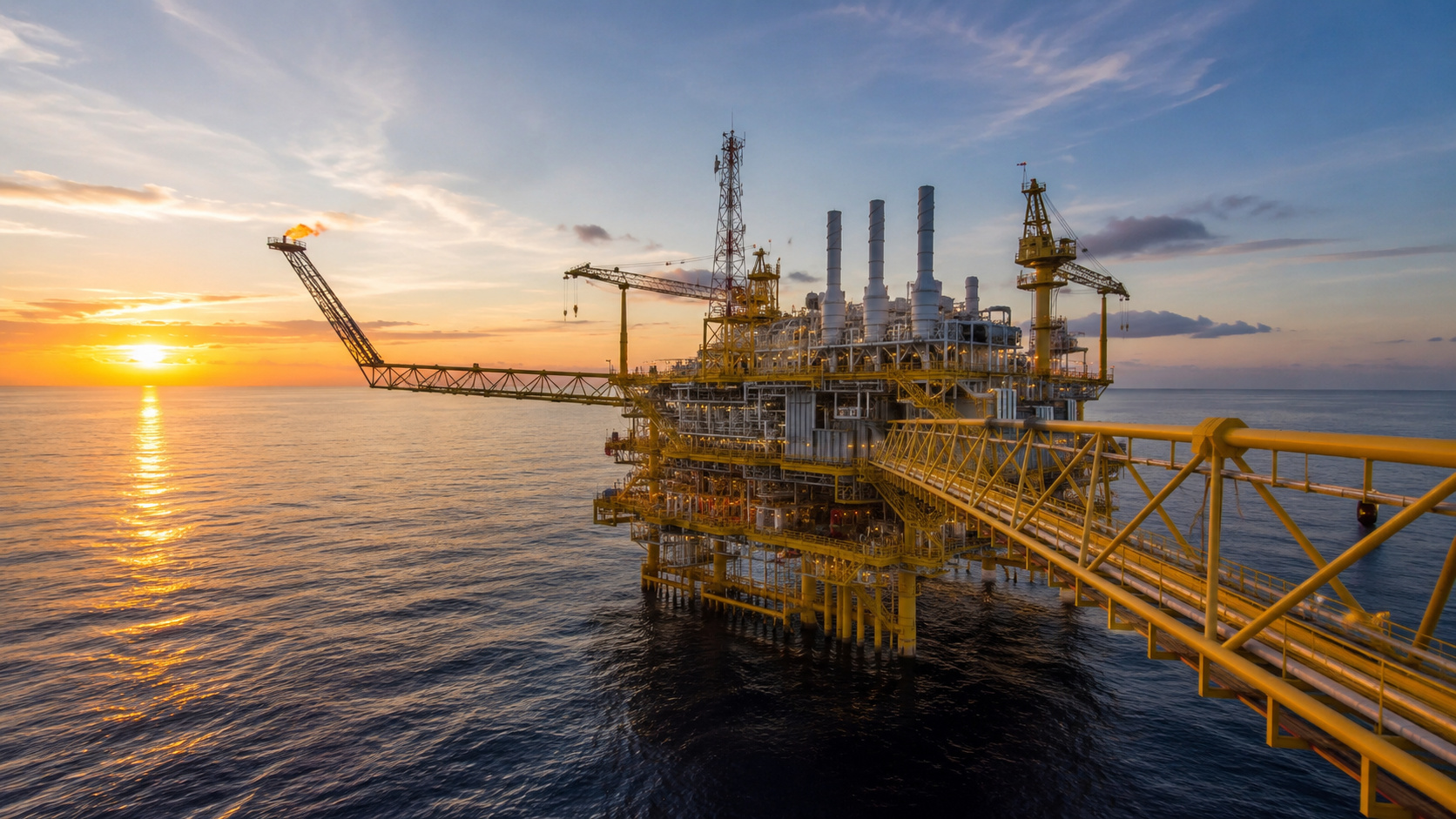


Moreover, the commodity remains above $100 per barrel, reflecting concerns related to global supply and geopolitical tensions.
Experts state that the international scenario remains extremely sensitive to any advancement or worsening of conflicts in the Middle East.
In this context, investors closely monitor global diplomatic and economic movements.
Meeting between Trump and Xi Jinping moves the market
The meeting between Donald Trump and Xi Jinping in Beijing generated strong repercussions in international markets.
Moreover, analysts assess that any rapprochement between the United States and China can directly influence global economic expectations.
Experts state that the two powers play a central role in the global demand for energy and fuels.
Therefore, decisions involving both countries tend to immediately impact oil prices.
Middle East continues to pressure prices
Tensions in the Middle East remain one of the main pressure factors on the energy market.
Furthermore, investors show concern about possible impacts on international oil production and transportation.
Experts state that any instability involving major producers in the region increases risks for global supply.
In this scenario, the price of the barrel remains extremely volatile.
The impact of rising oil prices on the economy
The appreciation of oil directly influences the global economy.
Moreover, more expensive fuels increase logistical costs, transportation, industrial production, and food prices.
Experts state that fluctuations in the commodity usually increase inflationary pressure in different countries.
Therefore, governments and central banks monitor the energy sector with constant attention.

Brazilian government announces subsidy for gasoline
In light of the international rise in fuel prices, the Brazilian government announced a subsidy of up to R$ 0.89 per liter of gasoline.
Furthermore, the measure aims to reduce impacts on consumers and contain pressure on domestic inflation.
Experts state that compensation policies can temporarily alleviate the effects of rising oil prices.
However, analysts also warn of the fiscal impacts of subsidy measures.
What influences oil prices
The international oil prices depend on various economic and geopolitical factors.
Among the main elements monitored are:
- International conflicts
- Global supply of the commodity
- OPEC production
- Global economic growth
- Relations between the United States and China
Additionally, diplomatic decisions can quickly alter market behavior.
The role of OPEC in the global market
The Organization of the Petroleum Exporting Countries (OPEC) continues to exert strong influence over international prices.
Moreover, decisions involving production and supply directly affect the balance between supply and demand.
Experts state that production cuts can sustain high prices for longer periods.
In this context, investors closely monitor the entity’s positions.
The relationship between oil and inflation
The rise in oil prices has a direct impact on global inflation.
Furthermore, more expensive fuels increase transportation, energy, and logistics costs.
Experts state that this effect usually impacts different sectors of the economy simultaneously.
Therefore, fluctuations in the commodity often concern governments and financial markets.
Financial market remains on alert
International stock exchanges closely monitor the behavior of oil.
Additionally, investors show caution in the face of the global geopolitical and economic scenario.
Experts state that periods of instability tend to increase risk aversion in markets.
In this context, energy-related assets gain even more relevance among investors.
China and the United States influence global demand
China and the United States represent two of the largest economies on the planet.
Moreover, both countries have enormous influence over global energy consumption.
Experts state that the economic growth of these nations directly impacts global demand for oil.
Therefore, diplomatic meetings between the two governments generate immediate repercussions in the energy market.
The impact on Brazilian consumers
In Brazil, the rise in oil prices directly affects the prices of gasoline, diesel, and transportation.
Additionally, high fuel costs can pressure inflation and reduce the purchasing power of the population.
Experts state that consumers usually quickly feel the effects of international oil fluctuations.
In this scenario, compensation measures gain political and economic importance.
The global energy sector in transformation
Even with the advancement of renewable energies, oil remains one of the main energy sources in the world.
Furthermore, international conflicts show how the market still heavily depends on the commodity.
Experts state that the energy transition will occur gradually over the coming decades.
Therefore, oil fluctuations continue to exert a strong influence on the global economy.
What experts expect for the coming months
Analysts believe that the market will remain volatile as long as international tensions persist.
Additionally, investors are monitoring possible diplomatic advances involving the Middle East, the United States, and China.
Among the main factors observed are:
- Geopolitical conflicts
- Global oil production
- OPEC policy
- Global economic growth
- International inflation
All these elements are expected to influence price behavior in the coming months.
The future of the oil market
The current scenario shows that the global oil market remains highly sensitive to international political and economic tensions.
Additionally, the rise above $100 reinforces concerns related to inflation, supply, and economic stability.
While investors follow diplomatic negotiations and OPEC decisions, consumers around the world continue to feel the effects of fuel volatility.
Finally, the meeting between Trump and Xi Jinping and the negotiations involving the Middle East show how international politics and energy remain deeply connected in the global economic scenario.