






 Portuguese
  Spanish
  5 min of reading
  1 comment


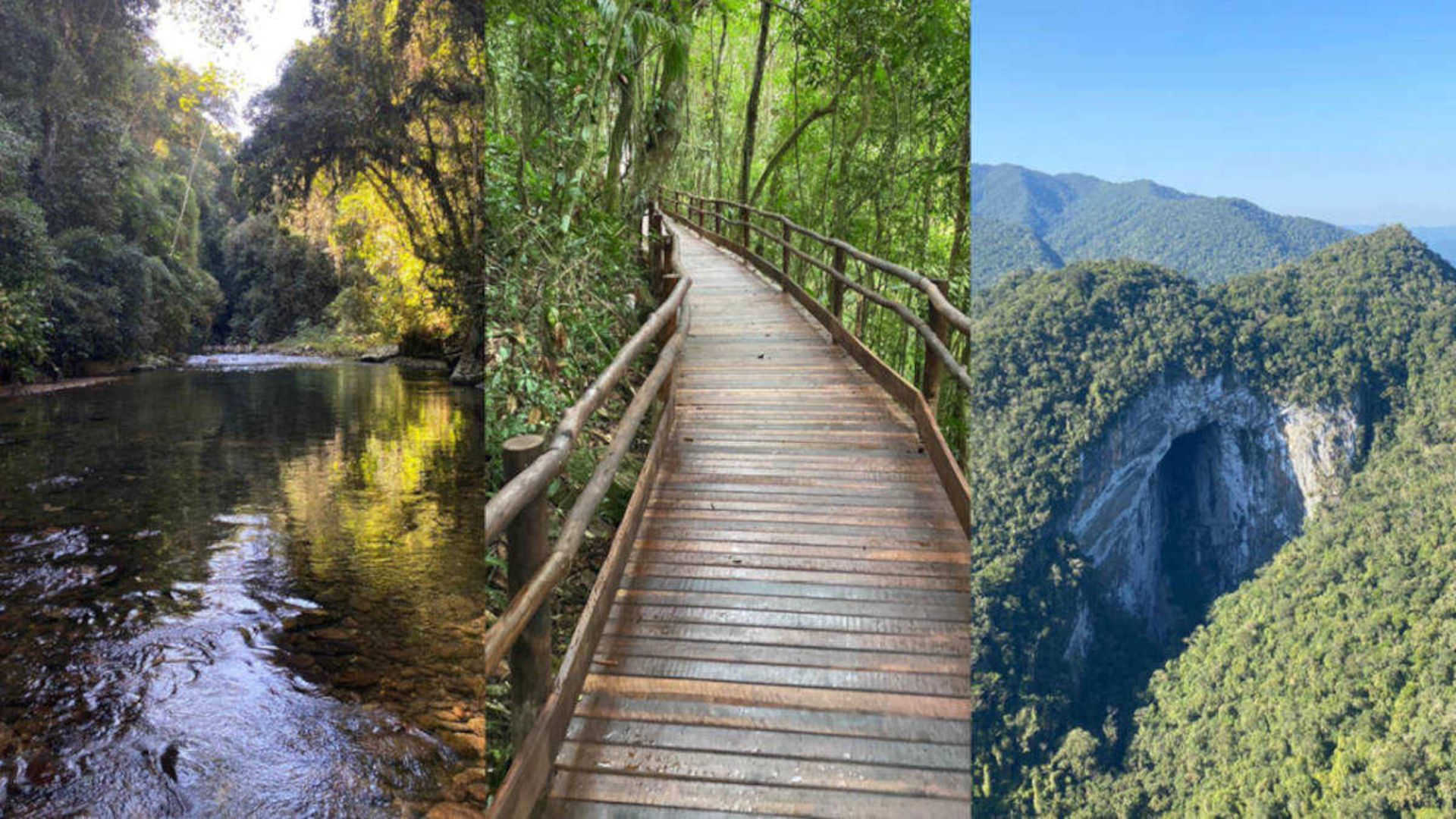


A Giant Park in the Ribeira Valley Brings Together Monumental Caves, Crystal Clear Rivers, Challenging Trails, and One of the Largest Continuous Areas of Preserved Atlantic Forest in the Country.
At the southern tip of the state of São Paulo, between the municipalities of Apiaí and Iporanga, a preserved Atlantic Forest park brings together hundreds of caves, crystal clear rivers, and trails amidst dense forest.
It is the Alto Ribeira Tourist State Park (Petar), a conservation unit created in 1958, with an area of about 35,700 hectares, which represents more than 200 times the size of Ibirapuera Park, in the capital of São Paulo.
Petar is recognized as one of the most important areas of Atlantic Forest in the country, with over 300 identified caves and hundreds more cataloged by specialized institutions, of which 12 are officially open for visitation.
Rivers with clear waters, waterfalls, trails through dense forest, and rock walls complete the scenery that attracts both researchers and nature sports enthusiasts.
-
Survivor of 1966 SS Daniel J. Morrell Shipwreck in Lake Huron Recounts 38-Hour Ordeal in Extreme Cold

-
The Greatest Hoax in World Cup History? The Film That Denied Brazil’s 1958 Victory and Exposed How Fake Evidence Can Seem Convincing on TV
-
Fake South Korean Online Stores Offer Shopping Thrill Without Spending Money or Receiving Products
-
The War of Jenkins’ Ear: How a Severed Ear Sparked One of the 18th Century’s Most Unusual Conflicts


Natural Sanctuary in the Interior of São Paulo
Since the creation of the unit in 1958, Petar has protected one of the largest continuous areas of preserved Atlantic Forest in São Paulo.
The connection with other state parks in the region, such as Intervales, reinforces the ecological importance of the territory.

The combination of dense forest, rugged terrain, and rivers nestled in deep valleys has favored the formation of large caves, in addition to housing endangered species typical of this biome.
The fauna includes larger mammals, such as tapirs and pacas, as well as primates like the muriqui, considered the largest primate in the Americas.
On longer trails or in less crowded areas, it is also possible to observe a great variety of birds, amphibians, and insects.
Adventure for Different Visitor Profiles
Although it is known as an adventure destination, Petar offers routes of varying levels.
Short walks on platforms, easy trails along rivers, and routes focused on environmental education cater to families and beginner visitors.
At the other extreme, there are circuits that require higher physical preparation, with riverbed crossings, steep sections, and prolonged movement in the forest.
Cave tourism is one of the main attractions.
With a helmet, flashlight, and safety equipment, visitors explore wide halls, narrow galleries, sections with water, and underground rivers that disappear and reappear along the route.
On some routes, the experience includes activities such as rappelling on natural cliffs and descending waterfalls, practices offered by specialized operators in the region.
Besides adventure, Petar is a place suitable for nature observation and photography.
The combination of dense forest, waterways, and large cave entrances creates impactful scenery.
Emblematic Caves of Petar

The set of caves is the park’s main highlight.
More than 400 cavities have been recorded, with 12 open for controlled tourism.
The Santana Cave, in the nucleus of the same name, is one of the most visited.
It stands out for its large halls adorned with stalactites, stalagmites, and other limestone formations, as well as sections with an underground river.
Another well-known cavity is the Morro Preto Cave, which impresses at the entrance, with a high opening illuminated by natural light.
In the wetter circuits, the Água Suja Cave is part of routes where visitors walk much of the time in water.
The Ouro Grosso Cave is sought after by those looking for more challenging routes, with low passages and natural obstacles.
Park Nuclei and Complementary Experiences
A visit to Petar is organized from four public use nuclei: Santana, Ouro Grosso, Casa de Pedra, and Caboclos.
Each area concentrates specific trails, caves, and support structures.
The Santa Nucleus is the most structured, with good accommodation options nearby, especially in the Serra neighborhood, in Iporanga.

The Ouro Grosso Nucleus is widely used for educational actions and receives school groups.
It also brings together caves and waterfalls along the Betari River.
In the Casa de Pedra Nucleus, is the largest cave entrance in the world, with around 215 meters in height.
The trail to the portal allows observing the course of the Maximiliano River, which crosses the cavity.
The Caboclos Nucleus is the most isolated and is usually sought by visitors with greater experience in long hikes.
It concentrates extensive trails and caves that require greater displacements.
Tickets, Rules, and Safety During Visits
A visit to Petar is regulated by strict rules to reduce environmental impacts.
In most of the caves open to tourism, access is only allowed with certified environmental monitors.
They organize the size of groups, provide safety guidance, and ensure the proper use of equipment.
In the most sought-after nuclei, such as Santana and Ouro Grosso, the latest daily ticket costs R$ 19 per person, with free admission for children up to 12 years old and elderly from 60 years old, as well as half-price tickets for students.
The recommendation is to purchase tickets in advance through official channels.
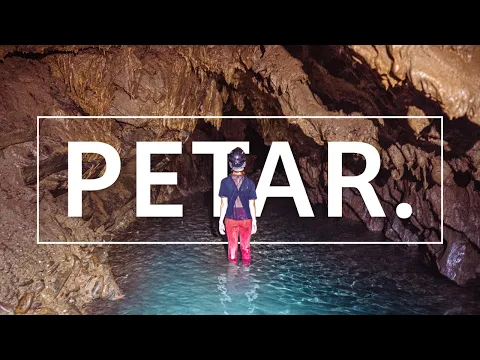

Due to being an environment of dense forest and caves, the use of closed shoes, long clothing, flashlight, and helmet is essential.
Monitors also guide about additional precautions during rainy periods, when rivers can rise quickly and some sections are closed.
Ecotourism in One of the Largest Preserved Areas in SP
With an area much larger than that of well-known urban parks and a rare combination of preserved Atlantic Forest, rivers, waterfalls, and hundreds of caves, Petar has established itself as one of the most complete ecotourism destinations in the state of São Paulo.
The region receives both travelers seeking intense adventure and groups interested in light hikes, wildlife observation, or guided visits focused on environmental education.
Among so many monumental caves, extensive trails, and underground rivers, which experience at Petar would spark your curiosity the most?





O Petar com suas cavernas é um dos lugares mais lindos que conheço, já levei meus alunos e minhas filhas.