Portuguese
  Spanish


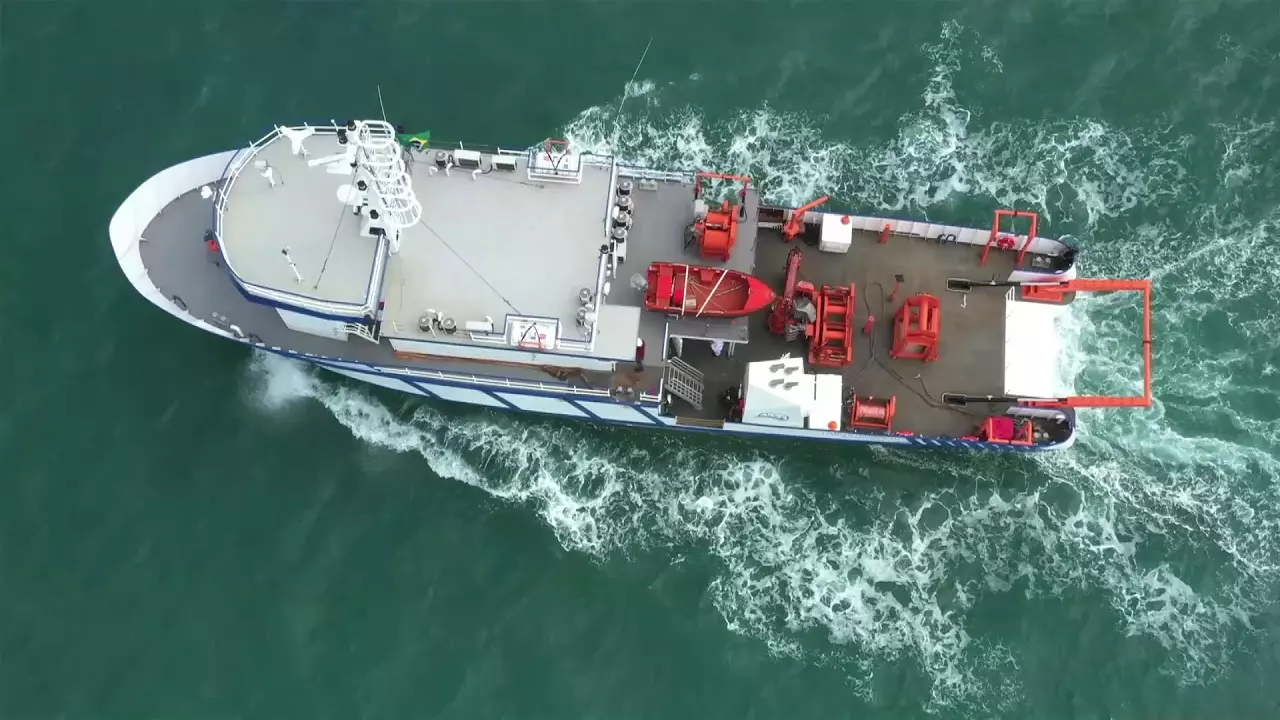

Students Will Be Embarked for 7 Days on the Floating Teaching Laboratory
Next Thursday (9), a unique experience will begin for students in the Oceanography course at the Federal University of Espírito Santo (Ufes). Students will be on board until the 16th of this month on the training ship Ciências do Mar III, and will be able to take advantage of the available infrastructure to learn about the ROV. For this, the Floating Teaching Laboratory will make its first trip to Espírito Santo.
According to A Gazeta, 14 students from Ufes, one professor, and one post-doctoral fellow will board the training ship. The post-doctoral fellow will conduct a research experiment with an underwater robot (ROV), and a nurse from the Nursing Department of the University will assist students with any discomfort caused by the rocking of the sea.
The Ship Is Shared Among Educational Institutions in the Southeast Region That Offer Courses in Marine Sciences
The trip will take place thanks to an agreement signed in November 2022 between the Federal University of Espírito Santo (Ufes) and the Federal Fluminense University (UFF), which manages the Ciências do Mar III. The training ship will be at sea until March 16. On the 19th, it will be handed over to Ifes in Piúma and will later return to Niterói-RJ, where its operational base is located.
-
They exchanged the idea of a large house for a 35 m² warehouse, spent US$ 12,000 on the structure, and created a tiny house in Colorado with space to live and work.

-
While modern cities rely on pumps and electricity, in Iran, ancient tunnels carried water through the desert using only slope and gravity.
-
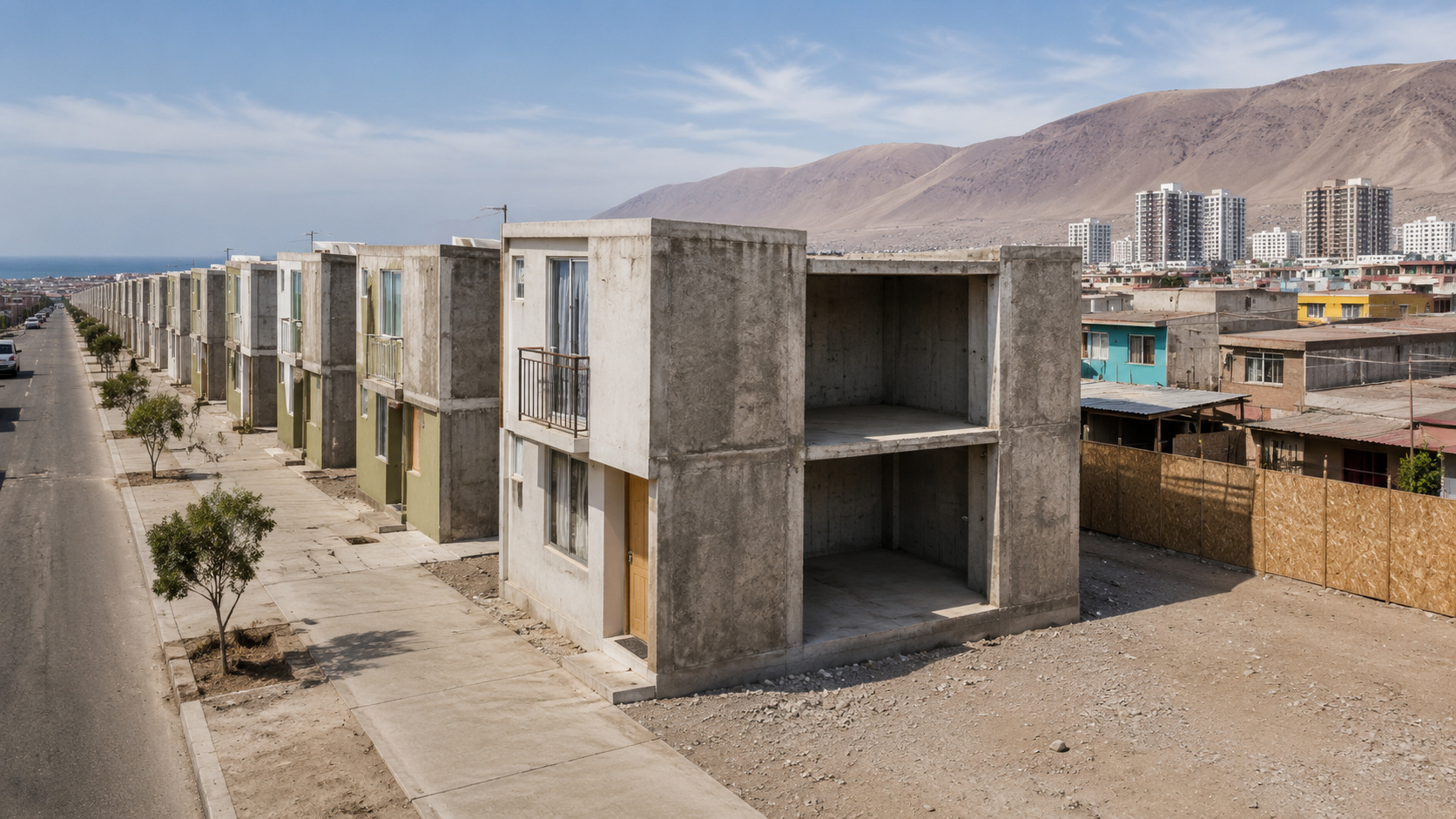
Instead of sending families far from the city, a project in Chile intentionally created incomplete houses on expensive urban land and left technical space for each to grow.
-
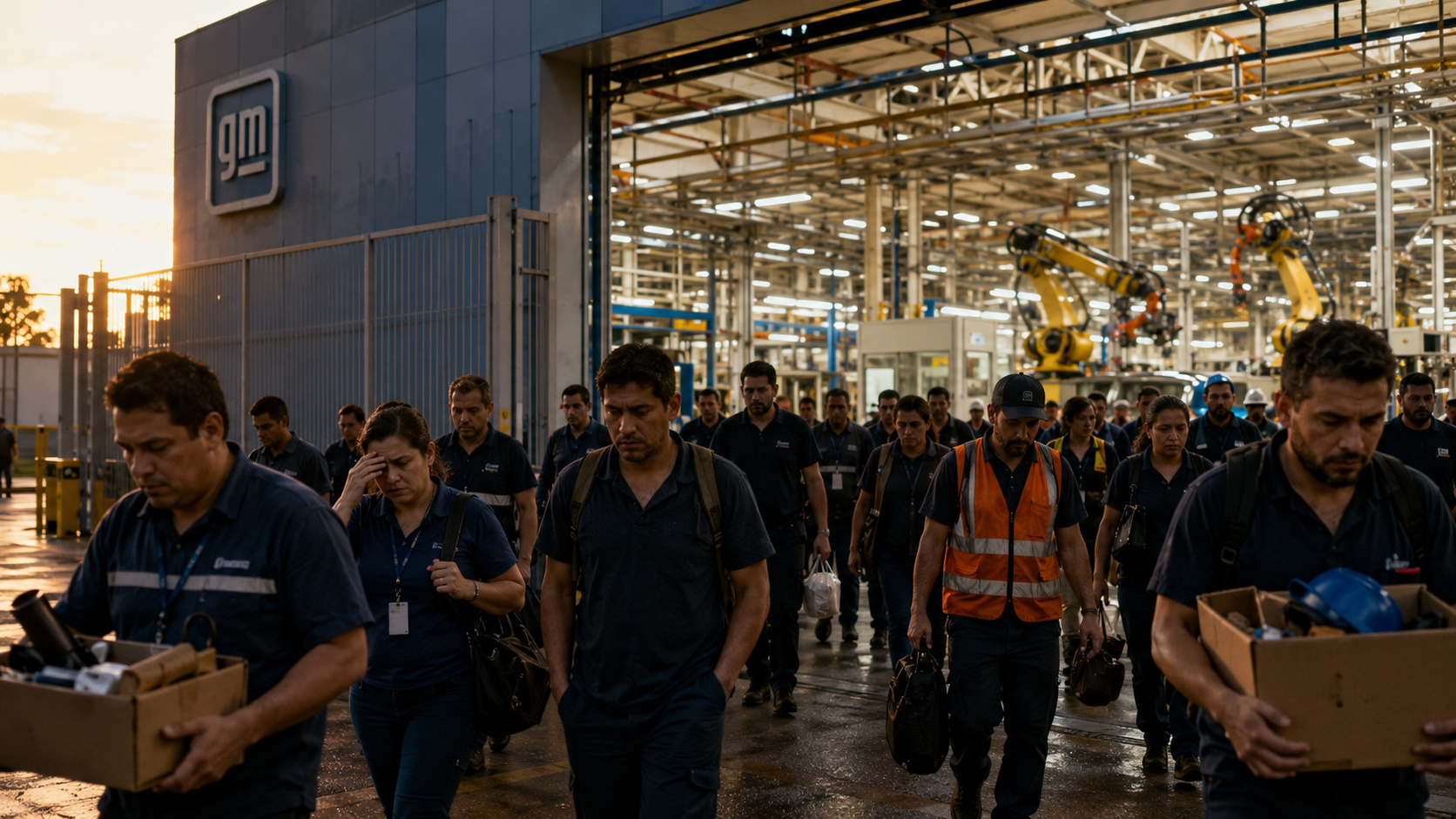
General Motors Replaces Over a Thousand Workers with 50 Cobots at Electric Vehicle Plant, UAW Union Criticizes Move Amid Industry’s Automation Push

The training ship is shared among educational institutions in the Southeast region that offer courses in Marine Sciences and is part of the LEF project, which includes three more ships scattered along the Brazilian coast. The four vessels were developed by the Ministry of Education (MEC) through the Human Resources Training Program in Marine Sciences (PPGMAR).
The Trip on the Training Ship Will Allow Ufes Students to Become Familiar with the Equipment Mentioned in Theoretical Classes
The professor from Ufes’ Oceanography Department, Agnaldo Silva Martins, responsible for the didactic program of the Supervised Embarkation course, states that the Ciências do Mar III is an important addition to Ufes’ infrastructure.
“Students currently undertake this embarked experience but generally on vessels that are not always in ideal conditions for learning. Now, we will be able to conduct a class of the course in the environment and using the equipment that we often mention in theoretical classes,” he explains.
Furthermore, he concludes that “the purpose of this ship is not research, but teaching. Research can and should occur because the ship is equipped with state-of-the-art oceanographic instruments, which are the same ones used in research, but the idea of the project is for students to be able to interact with the ship and learn what is generally not possible on expeditions where they go ‘as passengers.’”