Portuguese
  Spanish


Small Town in Santa Catarina Inaugurates Attraction of 6,5 Thousand Trees and Transforms Guabiruba into the Map of Cultural Tourism with the Largest Labyrinth in Southern Brazil, Interpretive Trails, and Living Symbol of Friendship with Germany
The largest labyrinth in Southern Brazil has just found its home in Guabiruba, in the Itajaí Valley. With a diameter of 51.40 meters and nearly two kilometers of pathway, the Podocarpus structure guides visitors through 11 trilingual informative points, combining leisure, territorial reading, and local memory. It’s an active navigation experience that values both the landscape and history.
The proposal began as a cultural integration project. With 6,5 thousand trees and content curation about Guabiruba, the circuit celebrates the friendship with Germany established with Karlsdorf-Neuthard, offers a free route in the Vereador Érico Vicentini Municipal Park, and reinforces the Itajaí Valley’s vocation for nature tourism and heritage. For the city, the largest labyrinth in Southern Brazil serves as an anchor for visitation and environmental education.
Where It Is and How It Works
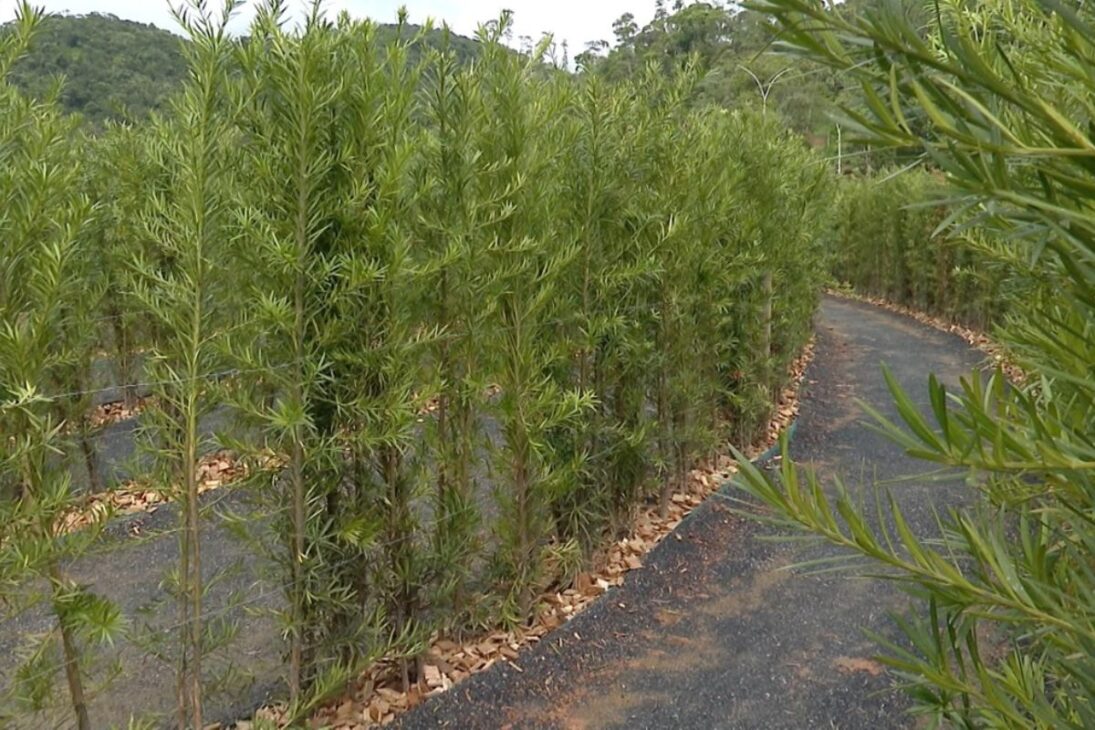
The largest labyrinth in Southern Brazil is located in the Vereador Érico Vicentini Municipal Park, in Guabiruba.
-
13-Year-Old Raises Funds to Build Well, Transforming Lives in Cambodian Community Lacking Clean Water

-
Man with Metal Detector Finds Medieval Silver Seal in England, Uncovers 2,000-Year-Old Roman Gem with ‘Richard’s Secret’

-
Thailand Converts 8 Tons of PET Bottles into 3,500 School Backpacks, Showcasing Circular Economy with Over 40 Factories Involved

-
Mysterious Bats Spotted in Paris’s Père Lachaise Cemetery, Drawing Tourists to the “Vampire Cemetery”



Visits are daily and free, with access via urban roads and integration into areas already used for events.
The decision to position the facility in the Itajaí Valley connects regional tourist flow and facilitates links with neighboring attractions.
The vegetal design uses Podocarpus that stand about 1.70 meters tall, sufficient to create immersion and guide steps without blocking airflow.
The pathway narrative is educational: 11 stops with curiosities about Guabiruba in Portuguese, English, and German reinforce the friendship with Germany and turn the walk into a content platform for schools, families, and travelers.
Dimensions, Botany, and Maintenance
With 51.40 meters in diameter, the circuit requires 11 laps to reach the center, calibrating effort and contemplation.
The use of Podocarpus accounts for foliar density, resistance to management, and perennial aesthetics, essential qualities for a public facility exposed to the climate of the Itajaí Valley.
Maintenance prioritizes formative pruning and the health of Podocarpus to ensure the guiding height of 1.70 meters and a clear reading of the corridors.
As the largest labyrinth in Southern Brazil is intended for permanent use, the management plan preserves the experience throughout the seasons and sustains the legacy of friendship with Germany that motivated the planting.
Cultural Symbol in the Center of the Path
At the core of the layout, the statue of Pelznickel gives materiality to the Christmas traditions of Guabiruba.
The character acts as a marker of identity and emotional memory, integrating the largest labyrinth in Southern Brazil into the cultural agenda of the city and the Itajaí Valley.
The presence of Pelznickel connects visitors to local memory and amplifies the message of friendship with Germany.
Surrounding him, the design of Podocarpus helps create a welcoming courtyard conducive to cultural mediations, photographic records, and educational activities.
Visitor Experience and Path Reading
Circulation alternates between quick orientation segments and decision-making stretches, maintaining the playful challenge without compromising fluidity.
It’s a labyrinth for all ages, with accessible narrative and signage that encourages autonomy. At each informative point, Guabiruba presents itself with historical and landscape data.
As the largest labyrinth in Southern Brazil is located within the Vereador Érico Vicentini Municipal Park, visitors can combine the route with trails, waterfalls, and the old hydroelectric plant from 1913, extending their stay in the Itajaí Valley.
The density of Podocarpus ensures partial shade, improving thermal comfort throughout the day.
International Partnership and Legacy
The implementation resulted from cooperation between Guabiruba and Karlsdorf-Neuthard, with part of the 6,5 thousand seedlings of Podocarpus acquired in partnership.
The symbolic gesture established a living landmark of friendship with Germany, capable of dialoguing with education, culture, and tourism.
This institutional arrangement positions the largest labyrinth in Southern Brazil as a public policy tool.
By articulating landscaping, content, and programming, Guabiruba establishes itself as a reference case in the Itajaí Valley, enhancing attractiveness and stimulating new thematic routes.
How to Visit and What to Expect
The main access is located at Rua Orlandina Romani Vicentini, in the Guabiruba Sul neighborhood.
The entrance is free, and the self-guided visit accommodates school groups, families, and independent travelers.
Plan for at least 40 to 60 minutes to traverse the pathway, enjoy the 11 informative points, and explore areas of the Vereador Érico Vicentini Municipal Park.
For the best experience, prioritize times of less sun exposure and bring water.
As the largest labyrinth in Southern Brazil is composed of Podocarpus, the spatial reading remains clear throughout the year, facilitating returns in different seasons and strengthening the bond with Guabiruba and its friendship with Germany.
Local Impact and Regional Integration
The new attraction expands the portfolio of tourist products in the Itajaí Valley, diversifies the creative economy, and creates opportunities for guides, heritage education, and events.
In Guabiruba, the largest labyrinth in Southern Brazil adds value to the calendar and consolidates the Vereador Érico Vicentini Municipal Park as a hub for leisure and culture.
The result is a virtuous cycle: the landscaping of Podocarpus enhances the space, the friendship with Germany provides symbolic weight, and the content about Guabiruba transforms the visit into learning.
This is the type of asset that fosters loyalty among audiences and sustains the destination in the long term.
The largest labyrinth in Southern Brazil makes Guabiruba a must-see chapter in nature and culture tourism, articulating Podocarpus, education, and friendship with Germany in a free and permanent facility at the Vereador Érico Vicentini Municipal Park.
It’s an open invitation to discovery and belonging in the Itajaí Valley.
Have you walked through plant mazes before, or would this be your first challenge in Guabiruba? Let us know in the comments how you plan your visit.