Portuguese
  Spanish


New Technology Developed By Swiss Researchers Aims To Extract Gold From 20 Motherboards Using Milk-Derived Materials And Yields A Nugget Valued At US$ 33.
A promising discovery made by Swiss researchers could revolutionize the way we deal with electronic waste. Scientists from ETH Zurich have developed a sustainable method to extract gold nuggets from discarded electronics using byproducts from the food industry.
The process, in addition to being environmentally responsible, is financially attractive — potentially generating up to US$ 50 for every dollar invested.
A New Era For Gold Extracted From Electronics
With the growing demand for electronic devices, the amount of electronic waste in the world continues to rise. But now, this problem can become part of the solution.
-
Xiaomi Unveils Smart Pressure Cooker That Cooks Meat Up to 40% Faster

-
Antarctic Mystery: Study Uncovers Over 500 Hidden Earthquakes 150 km Deep, Challenging Traditional Theories
-
Excavation for Solar Park in Germany Uncovers Rare Celtic “Princely Tomb” with Elite Warrior Buried with Gold, Weapons, Etruscan Jug, and Two-Wheeled Chariot in Bad Camberg

-
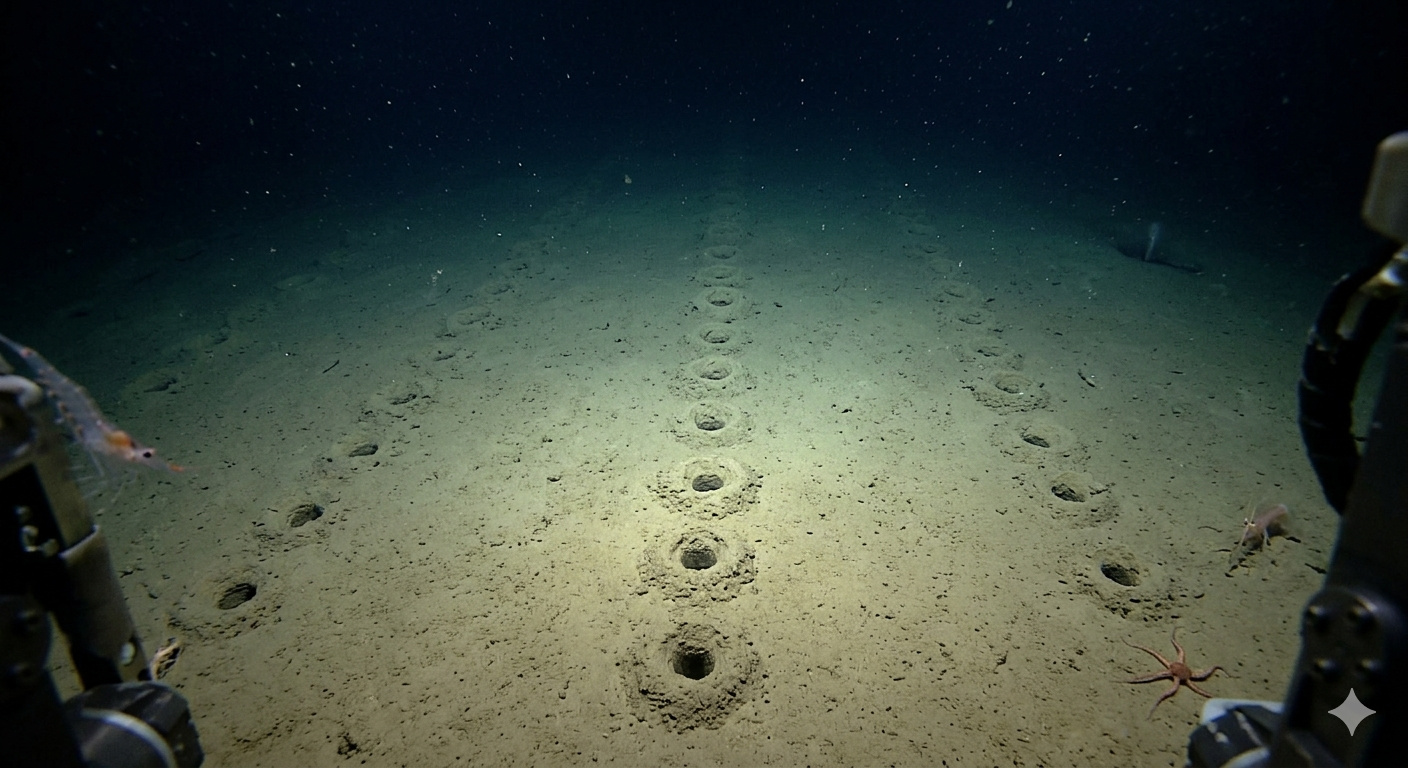
NOAA Scientists Discover Mysterious, Perfectly Aligned Holes on the Mid-Atlantic Ridge Seafloor, Origin Still Unknown



Researchers have found a way to recover precious metals, like gold, using materials that would normally be discarded, such as cheese production waste.
The technique uses sponges made from protein nanofibrils derived from whey, creating a chemical process that removes dissolved gold from motherboards and transforms it into pure nuggets.
This advancement, described in an article published in the journal Advanced Materials, combines scientific innovation with principles of the circular economy.
How The Extraction Process Works?
The team led by Raffaele Mezzenga, a professor at ETH Zurich, started by creating a paste from whey proteins.
This material was denatured with acid and heat until it formed a gel, which was then dried into a sponge. This sponge, in turn, is used to attract and capture dissolved gold ions.
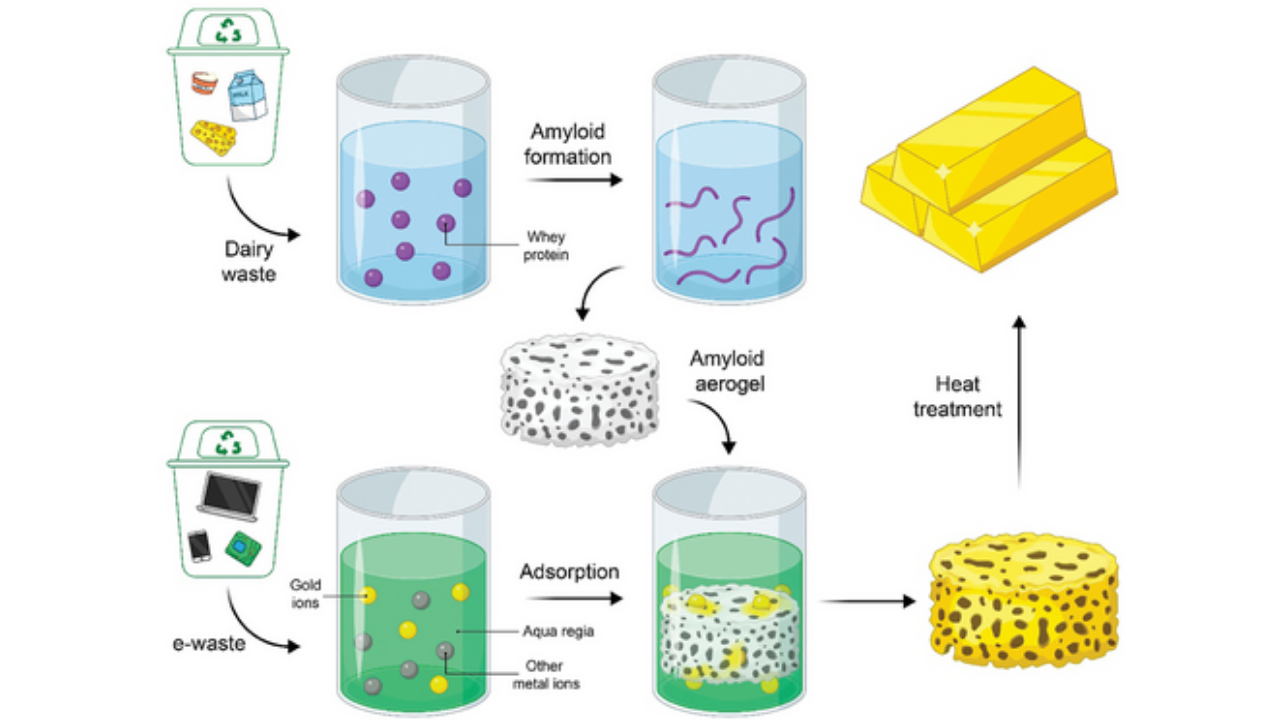
After absorbing the metals, the sponge is heated, causing the reduction of the ions into metallic flakes that can be melted.
From just 20 old computer motherboards, researchers were able to produce a 450-milligram nugget of 22-carat gold — with 91% purity.
Low Costs And High Profitability
The differential of this innovation lies not only in sustainability but also in profitability.
According to the researchers, the energy cost of the process represents only half of the value of the recovered gold. In other words, extraction can yield significant financial returns when applied on a large scale.
The extracted nugget, for example, was valued at around US$ 33 (approximately R$ 164), while the estimated operational costs are much lower.
For every dollar invested, the process can yield up to US$ 50 in gold, according to the current quotation.
The Next Step: Commercialization And New Materials
Excited by the results, researchers are now looking for ways to scale and commercialize the technology.
In addition to whey, the team intends to explore other protein-rich byproducts that can be converted into sponges for extracting precious metals from electronic waste.
This research reinforces the potential for eco-friendly and low-cost solutions that unite different sectors — from the food industry to metal recovery technology.
The innovation could not only alleviate the environmental impact of electronic waste disposal but also create new economic opportunities for companies investing in this model.