






 Portuguese
  Spanish
  2 min of reading



Roberto Castello Branco, Petrobras CEO Until the 20th, Says That Biofuels, Especially in Aviation and Ships, Will Be Important for “Decarbonization”
Roberto Castello Branco, the current CEO of Petrobras, said this Tuesday (03/02) that biofuels, especially used for the aviation industry, will become an important factor in the “decarbonization” of the transport industry in the future. The example of aviation is very clear, as the biofuels used are derived from plant biomass or waste. Compared to traditional aviation fuels, they produce lower carbon dioxide emissions.
See Also Other News of the Day:
The executive states that “For the future, we are evolving towards aviation biofuel, which will be very important for the decarbonization of transport, so we are focusing on ships and airplanes.”
Currently, Petrobras is one of the largest exporters of low-sulfur marine fuel in the region. Competitors such as Venezuela’s PDVSA and Mexico’s Pemex have made little progress in producing the low-sulfur fuels needed for export markets in recent years.
-
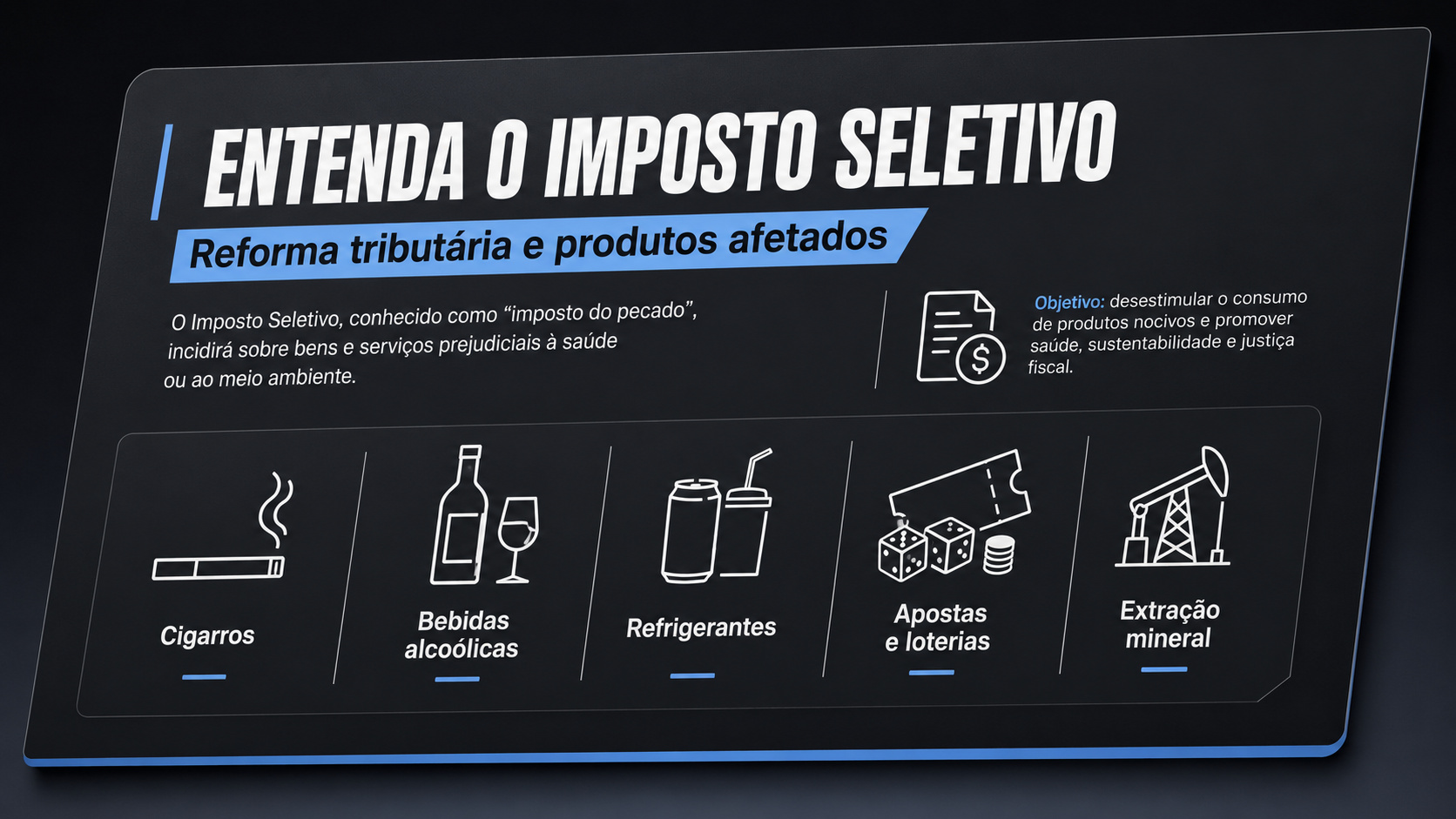
Government confirms sin tax for 2027 and explains why alcoholic beverages and cigarettes should not become more expensive right away, despite the new tax also covering soft drinks, polluting vehicles, mineral extraction, lotteries, betting, and fantasy sports games in a change that still depends on Congress.

-
Anvisa reveals flaws in supplements from IDNLABS and suspends 11 batches that include creatine, BCAA, beta-alanine, and multivitamins; the measure affects products with quality, composition, and labeling issues, while consumers are advised to check the printed codes on the packaging.
-
Ypê expands exchange and refund of products suspended by Anvisa, but consumers still need to check final batch 1, manufacturing date, and category before using laundry detergents, dishwashers, and disinfectants.
-
Son of a Chinese immigrant who sold tea in the countryside of São Paulo, Zhang Ye almost went bankrupt in 2021 and today, at 28 years old, claims to earn 1 million reais per day and has become the number 1 on TikTok Shop in Latin America.




Biofuels: An Alternative to Rising Gasoline and Diesel Prices
Biofuels, a source where all material used for energy generation comes from organic biomass, can become an alternative to reduce the prices of gasoline and diesel, which have consecutively been undergoing adjustments. In this sense, taking simple measures in the ethanol, biodiesel, biogas, and other sectors can positively affect the price of fossil fuels.
With changes in taxes and fiscal incentives, it is possible to reduce the cost of ethanol, biodiesel, and other biofuels. This way, the price of these fuels will also be passed on to the end consumer, which can significantly reduce fossil consumption and switch to biofuels. Brazil can reduce or eliminate its imports of diesel and gasoline, lowering the price of these fuels.








Be the first to react!