






 Portuguese
  Spanish


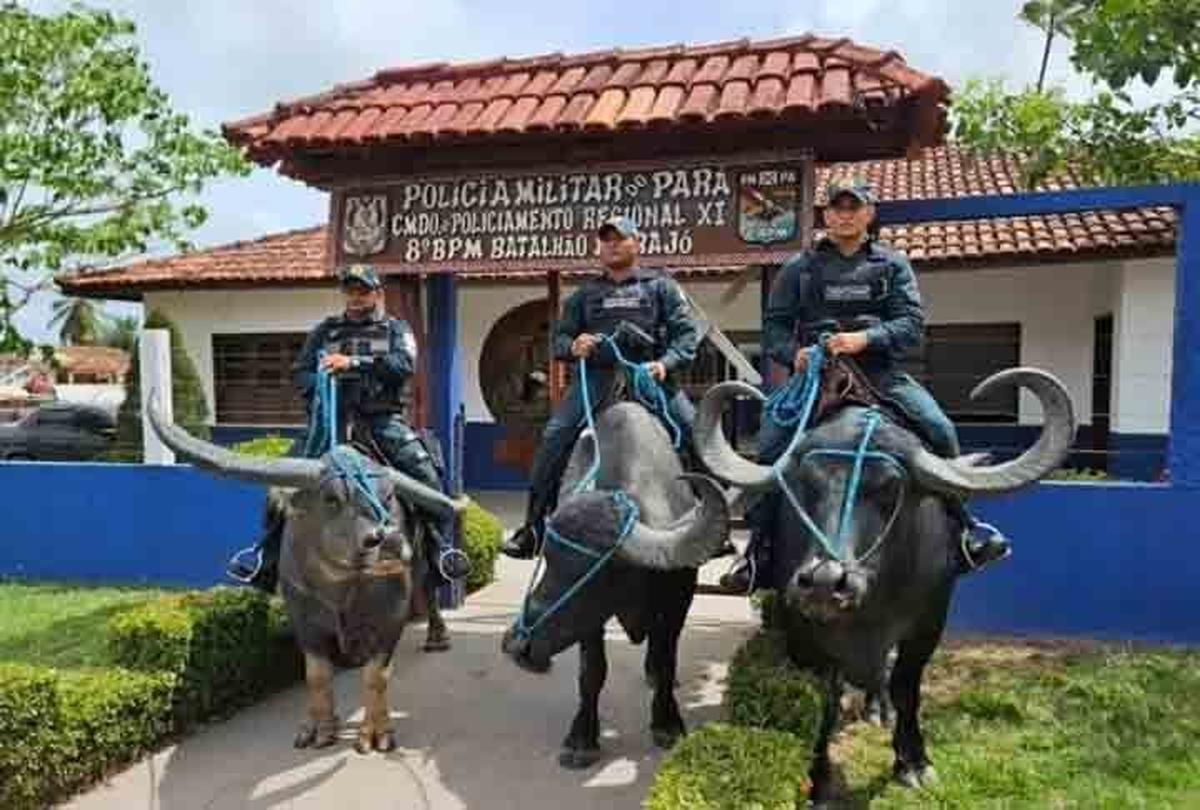

A Unique Patrol That Blends Amazonian Tradition and Police Efficiency
Since the 1990s, the Military Police of Pará has turned a regional peculiarity into a strategic advantage.
The use of buffaloes in policing the Island of Marajó ensures efficiency and mobility in a territory with areas that are constantly flooded.
The 8th Battallion of the PM, based in Soure, incorporated the animals into patrols in response to the challenging terrain conditions.
A Battalion That Follows the Rhythm of the Waters
The 8th BPM, also known as the “Marajó Battalion”, covers the municipalities of Soure, Salvaterra, Cachoeira do Arari, and Santa Cruz do Arari.
According to the Government of Pará, it is the only police unit in the country that uses buffaloes in patrol and public policing operations.
As explained by Major Ney Marques da Luz, the battalion’s deputy commander, the region’s terrain and weather determine the operational strategy.
The flooded areas, typical of the Amazonoian winter and summer, make it impractical to use vehicles at certain times of the year.
On many occasions, even boats face difficulties moving around, due to the tides and saturated soil.
Therefore, according to the major, buffaloes have become perfect allies in local policing.
-
Billionaire says the most valuable skill will help overcome job elimination caused by AI, following Bill Gates’ fears

-
A Dutchman created a ‘box’ that makes trees grow in the desert almost without water and without irrigation: the invention has already brought seedlings to dozens of countries and achieves up to 90% survival where common planting did not exceed 10%.

-
Abandoned warehouse hid a giant collection of rare computers, with over 2,000 artifacts from the 1930s to the 1980s.
-
Scientists warn that melting ice is triggering an alarming chemical transformation in preserved areas, and the first signs are already concerning researchers worldwide.




“In Marajó, water dictates the rules,” summarizes the officer.
The tough hooves of buffaloes do not rot in humidity and ensure resilience over long distances.
Additionally, they can forage for submerged food, which provides them with constant energy during the patrols.
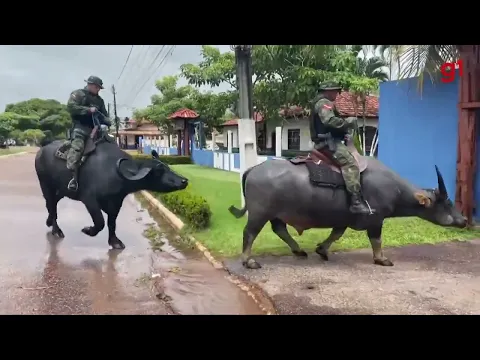

Mounted Patrol and Community Integration
Currently, six buffaloes are part of the 8th BPM, being used in different types of missions.
In urban areas, for example, the animals are used to guide residents and tourists, while in rural areas they are employed in rounds and movements.
Thus, the battalion is able to operate in places where vehicles and boats cannot reach.
According to Major Ney, this strategy strengthens the bond between the police and the community, as the patrol creates closeness and trust.
He states that mounted policing on buffaloes reinforces the PM’s social role, besides stimulating the appreciation of local culture.
Sergeant Ronaldo Sousa, who has served in the battalion for 26 years, affirms that the relationship between the officer and the animal is essential for the success of operations.
For him, early breeding of buffaloes is decisive, as it ensures docility and obedience to commands.
“The buffalo needs to be trained from a young age, between one and one and a half years, to adapt to human coexistence,” highlights the sergeant.
Training and Personality of the Animals
The buffaloes used by the PM are d donations from local farmers, made when they are still calves.
They quickly adapt to the environment of the barrack and daily interaction with the policemen.
The training process is careful and respects the animal’s natural pace.
Among the most well-known is “Baratinha”, of the carabao breed, who has been active for 17 years and is expected to retire in up to four years.
The name came from her agitated behavior when she was a calf.
Meanwhile, “Minotouro”, of the Mediterranean breed, is eight years old, weighs around 800 kilograms, and is known for his strength and endurance.
According to Sergeant Ronaldo, Minotouro can cross rivers easily, often leading the way ahead of horses in river patrols.
Unlike equines, buckaloes have no risk when submerging their ears in water, which ensures safety and efficiency in missions.
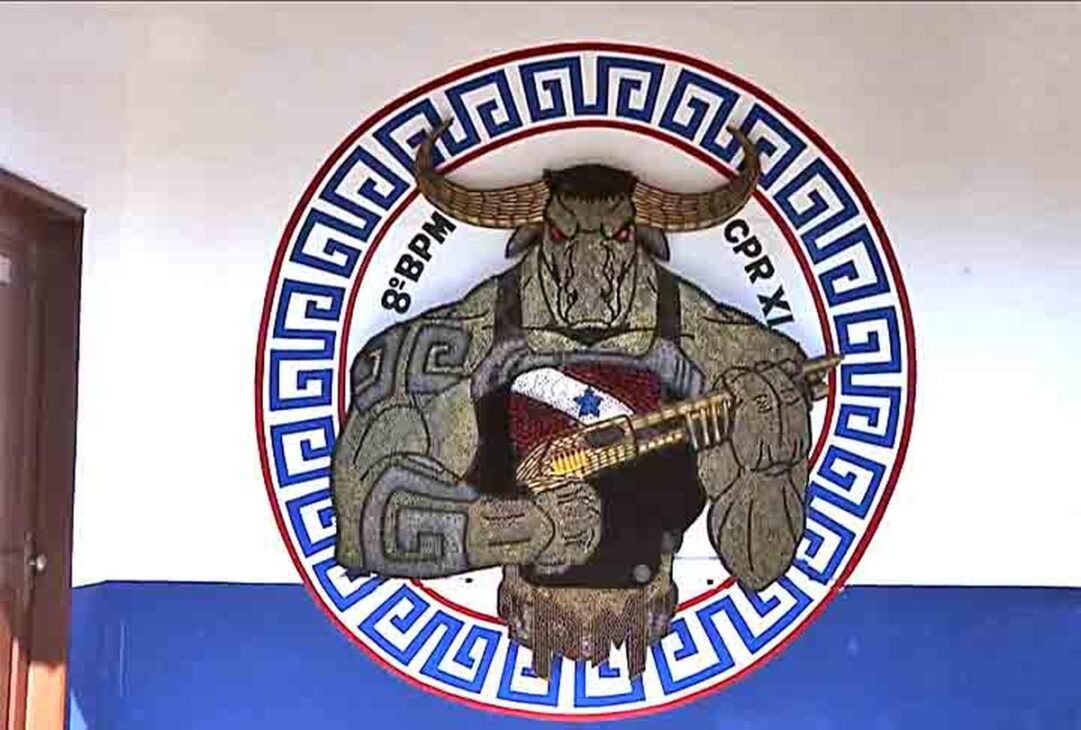
The Symbol That Became a Cultural Pride
The emblem of the 8th BPM displays the image of the buffalo, reinforcing its importance as a symbol of the Island of Marajó.
Furthermore, in February 2023, the buffaloes inspired the plot of the samba school Paraíso do Tuiuti, which paraded at the Rio de Janeiro Carnival.
This recognition brought Marajoara tradition to the national stage, showing how culture and policing connect in the Amazon.
Outside of police service, buckaloes are also part of the island’s daily routine, being used for transportation of goods, food supply, and even in children’s therapies.
According to the sergeant, the animals are gentle and fundamental to the daily lives of the population.
A Model That Unites Tradition, Efficiency, and Environmental Respect
The experience of the “Marajó Battalion” proves that tradition and modernity can walk together in public safety.
With the use of buffaloes, the PM reduces operational costs, expands its presence in isolated areas, and keeps alive a centuries-old cultural heritage.
Additionally, the initiative demonstrates respect for the environment and integration with the local ecosystem, reinforcing the corporation’s commitment to sustainability.





