Portuguese
  Spanish


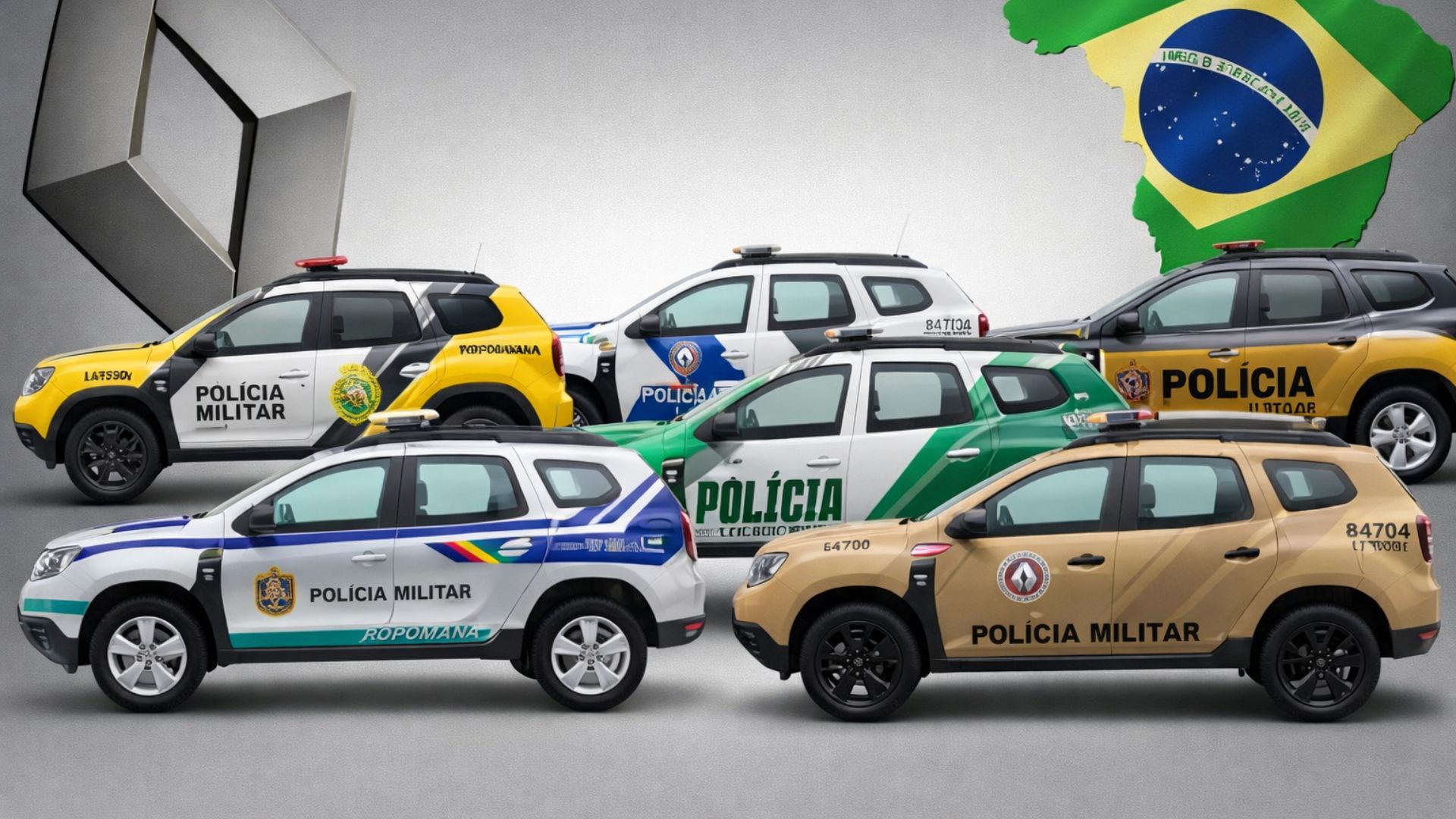

Repeated Presence Of The Renault Duster In Police Military Fleets Attracts Attention In Different States And Reveals How Bidding Criteria, Operational Costs And Practical Characteristics Of The Vehicle End Up Influencing Public Decisions That Determine Which Vehicles Make It To The Streets Of Brazil.
In Recent Bidding Processes And Official Fleet Deliveries, The Renault Duster Appears As The Most Recurring Vehicle In Different States, Driven By A Combination Of Ground Clearance Of 237 Mm, 475-Liter Trunk And A Final Cost That, In Bulk Purchases, Usually Fits Within Budget Limits.
In Practice, The Repeated Adoption Of The Model Is Not Explained By Maximum Speed Or Pursuit Performance, But By Criteria That Weigh More In Public Procurement, Such As Availability, Maintenance Standardization, Ease Of Implementation And The Total Acquisition Cost Already Including Adaptation.
The Pattern Is Clear In Ceará, Where The State Government Reported Acquiring 136 Armored Vehicles Of The Renault Duster Model, With An Investment That Exceeds R$ 24.9 Million, Within A Package Aimed At Enhancing Police Protection.
-
Few people know, but the smallest city in Rio holds a tunnel that was once the largest in the world, covering only 95.35 km², housing a railway work of 2,233 meters, and is also known for the historic title of the 4th best climate in the world.

-
A ‘hanging’ road in SP with viaducts over 80 meters, 11 tunnels, 20 suspension bridges, and pillars fixed at a depth of 40 meters has been challenging the Serra do Mar for almost 50 years and still impresses engineers.
-
Few people know the ingredient that can make strawberry plants produce larger and healthier fruits with just 1 spoonful per plant, thanks to the gradual release of phosphorus and calcium that strengthen roots, stimulate flowering, and increase vigor.
-
23-year-old worker dies after being ‘pulled’ by machine at packaging factory during production line maintenance; accident involved an industrial extruder, mobilized forensic investigation, and left the victim without a chance for rescue.


When Dividing The Announced Value By The Total Number Of Vehicles, The Average Ends Up Being Around R$ 183 Thousand Per Unit, A Calculation That Serves As A Reference Because The Outlay Includes Operational Characteristics Such As Armoring And Preparation For Overt Use.
In Espírito Santo, The State Government Recorded In February 2024 The Delivery Of 214 New Vehicles For The Military Police, Including 167 Dusters And 47 Mitsubishi L200s, With A Total Investment Of R$ 44.73 Million In The Package.
The Official Communication Itself Described The Objective Of Renewing The Fleet And Strengthening Patrols, And Governor Renato Casagrande Stated That “Public Security Is Not Achieved Overnight,” Defending A Series Of Structural And Operational Investments.
Technical Specifications Of The Duster And Adaptation To Urban Patrolling
The Duster Was Designed As A Compact SUV For Mixed Use, And This Often Aligns With The Reality Of Patrolling In Cities With Uneven Pavement, Streets With Ditches, High Speed Bumps And Access Points That Require More Generous Approaches And Departures.
In The Latest Line Released By The Manufacturer, The Model Maintains The Highest Ground Clearance In The Segment, With 237 Mm, In Addition To A 475-Liter Trunk, A Combination That Favors The Routine Of Climbing Curbs, Overcoming Uneven Terrain And Transporting Equipment.
Besides The Space, Managers Often View The Repetition Of The Same Model In The Fleet As A Factor Of Efficiency, Given That Standardization Simplifies Training, Parts Inventory, Workshop Contracts And Cost Predictability Throughout The Lifecycle.
When Purchases Are Made In Hundreds Of Units, The Possibility Of Keeping Similar Versions In The Bidding Also Matters, Avoiding A Highly Fragmented Fleet That Increases Maintenance Costs, Reduces Bargaining Power And Extended Downtime.
Public Bidding And The Choice Of Police Vehicles

In Public Purchases, The Decision Rarely Comes Down To Choosing “The Best Car,” Because The Aim Is To Put The Maximum Number Of Operational Vehicles On The Streets Within The Rules Of Procurement, Delivery Deadlines And Spending Limits Defined In The Annual Budget.
In This Scenario, The Duster Tends To Gain Traction For Being A Product Widely Distributed In The Brazilian Market, With A Consolidated Supply Chain, A Proven Track Record In Fleets And Ease Of Adaptation For Radio, Signage, Compartments And Items Required By The Bidding.
The Example Of Ceará Illustrates This Path By Relating The Acquisition To The Increased Protection Of The Officer, With Governor Elmano De Freitas Stating Upon The Arrival Of The First Batch That The Effort Aimed To “Ensure The Safety” Of The Professional Working In Overt Policing.
In Espírito Santo, The Mixed Package With Dusters And L200s Raised The Overall Average Cost Of The Purchase, But The Design Indicates A Combined Fleet Strategy, With SUVs For Part Of The Patrol And 4×4 Pickup Trucks For Missions And Terrain That Require A More Robust Chassis.
Criticisms From Officers And Debate On Vehicle Performance
The Repeated Choice Of The Model Also Fuels Internal And External Criticism, Because Comparisons Are Often Made With Highway Vehicles, Heavy Rural Patrols Or Tactical Operations, Where Power And Structural Robustness Become Priorities Over Cost.
Reports Associated With Previous Batches Of Vehicles In Ceará Circulated With Complaints About Power, Consumption And Wear During Severe Use, A Discussion That Typically Arises When The Vehicle Begins To Operate Continuously, With The Additional Weight Of Equipment And Long Shifts.
In The Same Logic, Officers Advocating For Larger Vehicles Argue That The Adaptation And The 24-Hour Regime Alter The Behavior Of The Car, As A Vehicle That Performs Well In Civil Use May Lose Power Under Constant Revving And Heavy Loads.
Some Of These Criticisms Include Questions Regarding Acceleration Response When There Is A CVT Automatic Transmission, A Common Setup In Civilian Versions That Favors Smoothness And Efficiency But May Be Perceived As Slow In Quick Takes.
Police SUVs Around The World And Project Differences


The Migration To SUVs As A Patrol Platform Is Not Unique To Brazil, Although The Type Of Vehicle And The Level Of Preparation Vary Greatly By Country, With Some Police Forces Adopting Models Developed From The Ground Up For Police Use.
In The United States, The Ford Police Interceptor Utility Line Is Offered With A 3.0 EcoBoost V6 Engine Listed In The Technical Sheet As 400 Hp, And With A Top Speed Limiter Indicated At 148 Mph, Equivalent To About 238 Km/h.
The Main Difference Lies In The Package, Because There The Project Is Designed From The Start With Calibration, Cooling, Brakes, Electrical Systems And Pursuit Items Tailored For Service, While In Brazil The Most Common Reality Involves A Civil SUV Adapted To Local Needs.
Police Pickups And Use On Highways And Rural Areas
The Presence Of Pickups In State Fleets Appears As A Direct Response To Policing On Highways, Rural Areas And Difficult Access Routes Where Traction, Height And Load Capacity Are Significant, Even With Higher Purchase And Maintenance Costs.
In Sergipe, For Example, The Military Police Reported In August 2025 That The State Highway Police Battalion Received 14 Toyota Hilux Vehicles, Acquired Through An Agreement With The DER, In An Initiative That Associated The Vehicles With Enhanced Operational Capacity.
At The Same Time, States Continue To Reinforce SUVs For Urban Policing And Broad Territorial Coverage, Because The Scale Equation Remains Determinant: The Vehicle Needs To Be Delivered In Quantity, With Quick Adaptation And Predictable Costs, Without Straining The Budget Of The Entire Fleet.
In This Context, The Renault Duster Remains A Frequent Choice For Meeting A Set Of Practical And Repeatable Requirements, Even Under Specific Criticism, While Managers Attempt To Balance Protection, Availability And Fleet Renewal With The Constraints Of Public Procurement.