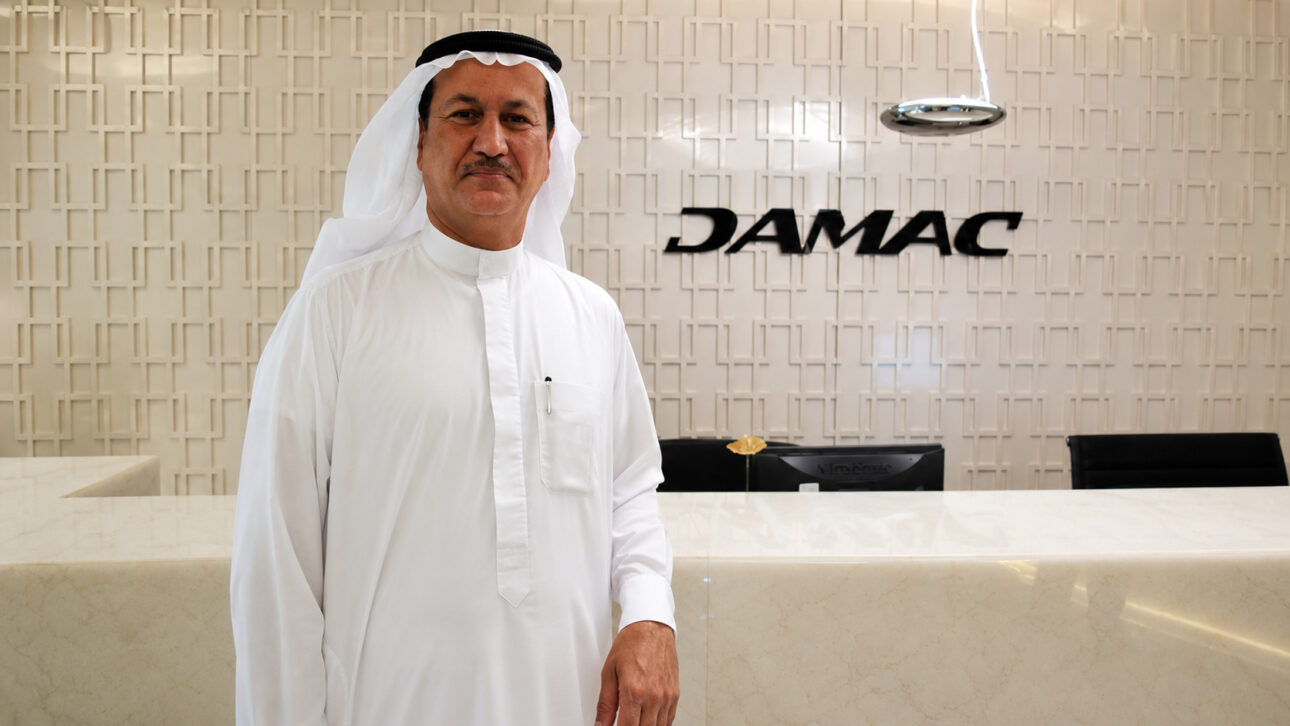
Hussain Sajwani left large-scale catering to create DAMAC, a brand associated with luxury real estate, tourism, and construction in Dubai
Before the luxury towers in Dubai, Hussain Sajwani was involved in a very different sector: supplying food to the military and large companies. This large-scale operation became a business foundation before entering the real estate market.
The Emirati entrepreneur, founder of DAMAC, built his career in areas related to Dubai’s economic growth. The information was disclosed by Forbes, a business and finance magazine.
The change of sector helps explain how Dubai went from being just a regional commercial hub to gaining strength in construction, hospitality, tourism, and high-end real estate.
-
House where man was caught walking on accumulated trash on the roof is isolated and undergoes cleaning in Teresina

-
Man wins millions in the lottery, starts receiving money help every day, abandons his own house and says he regrets the prize.

-
Japanese doctors complete 34 years of volunteer mission in Vietnam and have already performed more than 3,000 free surgeries to correct cleft lip and palate in children from families unable to afford treatment.

-
The man who started by cleaning bricks and unloading wagons entered the warehouses of Dallas and helped transform commercial real estate into a billion-dollar business.



Hussain Sajwani’s first strong business was not in luxury buildings
Hussain Sajwani grew up in Dubai in a family connected to traditional commerce. Before entering the real estate market, he studied industrial engineering and also went through the finance area.
This path put the entrepreneur in contact with management, costs, and contracts. This means dealing with money, service delivery, and organizing larger operations.

The first phase of expansion came with the catering service for the military and large companies. It wasn’t just about selling food. It was about meeting contracts that required volume, deadlines, and structure.
Food for the military opened up space for larger contracts and a vision of scale
The catering business placed Sajwani in a practical and demanding market. Serving the military and large companies depends on logistics, team, stock control, and continuous delivery.
This type of operation is directly linked to productive sectors. The company needs to buy, prepare, transport, and deliver meals in quantity, without constant failures.
In practice, this learning helped Sajwani enter another sector that also depends on planning and execution: the Dubai real estate market. Building buildings requires money, construction control, suppliers, and the ability to sell units.
The opening of the Dubai real estate market changed the size of the opportunity
Dubai underwent a major urban transformation when the real estate sector was opened to private investors. This move expanded the space for companies focused on housing, residential towers, and luxury projects.
It was in this environment that Hussain Sajwani created DAMAC. The company began operating in a market that was growing along with Dubai’s international image as a city of skyscrapers, hotels, and high-standard developments.
Forbes, a business and finance magazine, detailed Sajwani’s connection with DAMAC and the real estate market. The case shows how Dubai’s economic change opened space for entrepreneurs from other sectors.
DAMAC became a name associated with luxury real estate and construction in Dubai
DAMAC gained space as a developer linked to luxury real estate and towers. A developer is the company that organizes a real estate project, buys or uses the land, plans the development, and puts the units on the market.
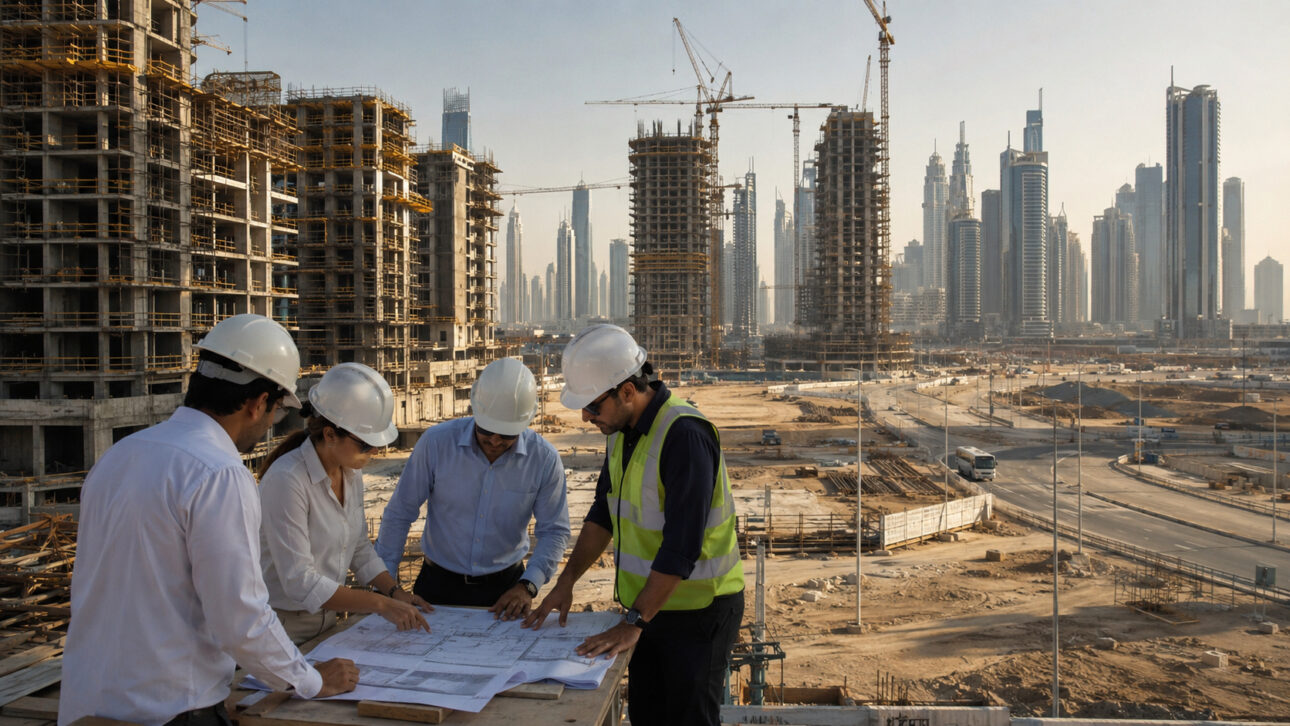
This sector involves much more than beautiful buildings. It drives civil construction, architecture, material purchasing, labor, sales, tourism, and services related to housing.
In Dubai, this type of development also helped strengthen the city as an international showcase. The luxury towers became part of the emirate’s economic image.
The trajectory shows Dubai’s shift from commerce to major developments
The case of Hussain Sajwani matters because it reveals a larger change in Dubai’s own economic model. The emirate moved from a base closely tied to regional commerce and expanded its presence in construction, real estate, hospitality, and tourism.
Military catering was a stage of business scaling. Later, the real estate market offered a larger field, with projects capable of changing neighborhoods, urban landscapes, and the way Dubai presented itself to the world.
This transition from an operational sector to the real estate sector also shows how large cities grow when different areas of the economy connect. Food, logistics, finance, and construction may seem distant, but all help sustain larger enterprises.
What this story reveals about construction and business in the Middle East
Sajwani’s entry into the real estate market was not just a career change. It accompanied a phase in which Dubai sought to attract capital, residents, tourists, and companies through high-standard projects.
The luxury towers of DAMAC represent this urban turnaround. They are part of a model where civil construction becomes a tool for economic growth and international projection.
For Brazil, the comparison helps to understand how decisions about real estate, tourism, and private investment can alter a city’s economic weight. In the case of Dubai, this movement became visible in skyscrapers and luxury developments.
Hussain Sajwani moved from catering services for the military and large companies to one of Dubai’s most symbolic sectors: the real estate market. The creation of DAMAC shows how contracts, management, and vision of opportunity can connect to the construction of large enterprises.
The trajectory also helps to understand why Dubai became a world reference in luxury real estate. Do you think a city grows more when it bets on large private projects or when it prioritizes basic infrastructure for everyone? Leave your opinion in the comments and share the article.