






 Portuguese
  Spanish
  2 min of reading


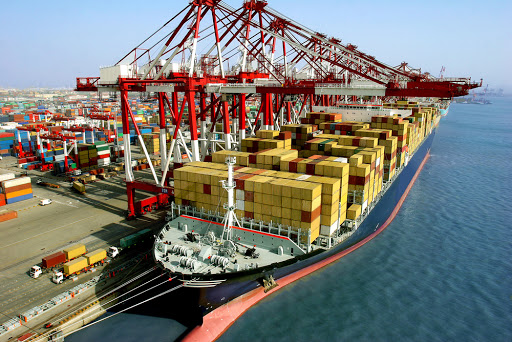
According to a Survey by CNI, Investments in Ports Transferred by the Government Were Only R$ 59 Million
In a survey conducted by CNI – National Confederation of Industry, the Port Authorities, which currently manage the public ports, received from the government in 2019, an amount of only R$ 59 million. According to CNI, this represents 10.5% of the projection, which is the lowest value since 2003, and it also states that between the years 2000 and 2019, only 30% of what was promised was invested.
Also Read Other News of the Day:
- Transpetro Maritime Workers Dismissed After Breathalyzer Test Upon Disembarkation. Crew Members Were Aboard the Oil Tanker for About 8 Months
- Construction Company Has Job Opportunities in Cities in the State of São Paulo
- Ambev Is Hiring Technicians in the Areas of Electrical, Mechanical, Instrumentation, Chemical, and Safety
The Port Authority, one of the companies on the list of future privatizations, received R$ 104 million in 2018, more than half of the investment made the following year by the government. This investment of only 30% of what was promised, according to CNI, corresponds to an unrealized investment of R$ 14.6 billion at present value.
Matheus de Castro, infrastructure specialist at CNI, said that “This lack of investment directly affects the country’s competitiveness and the productivity of companies. These numbers reinforce the need to accelerate the privatization of the Port Authorities, so that we can achieve the same gains that we had with the privatized airports.”
-
Instead of plastering the wall, Argentine architects left ordinary bricks exposed, without traditional mortar, without finishes, without paint, and created a perforated pavilion that looks like an art installation.

-
North Korean Fiasco: Launch of the Largest Warship Ends in Sinking

-
With 100 discarded pallets and simple tools, the project creates a 23 m² shelter, recycles wood used in the transport of humanitarian aid, and transforms temporary housing for refugees.
-
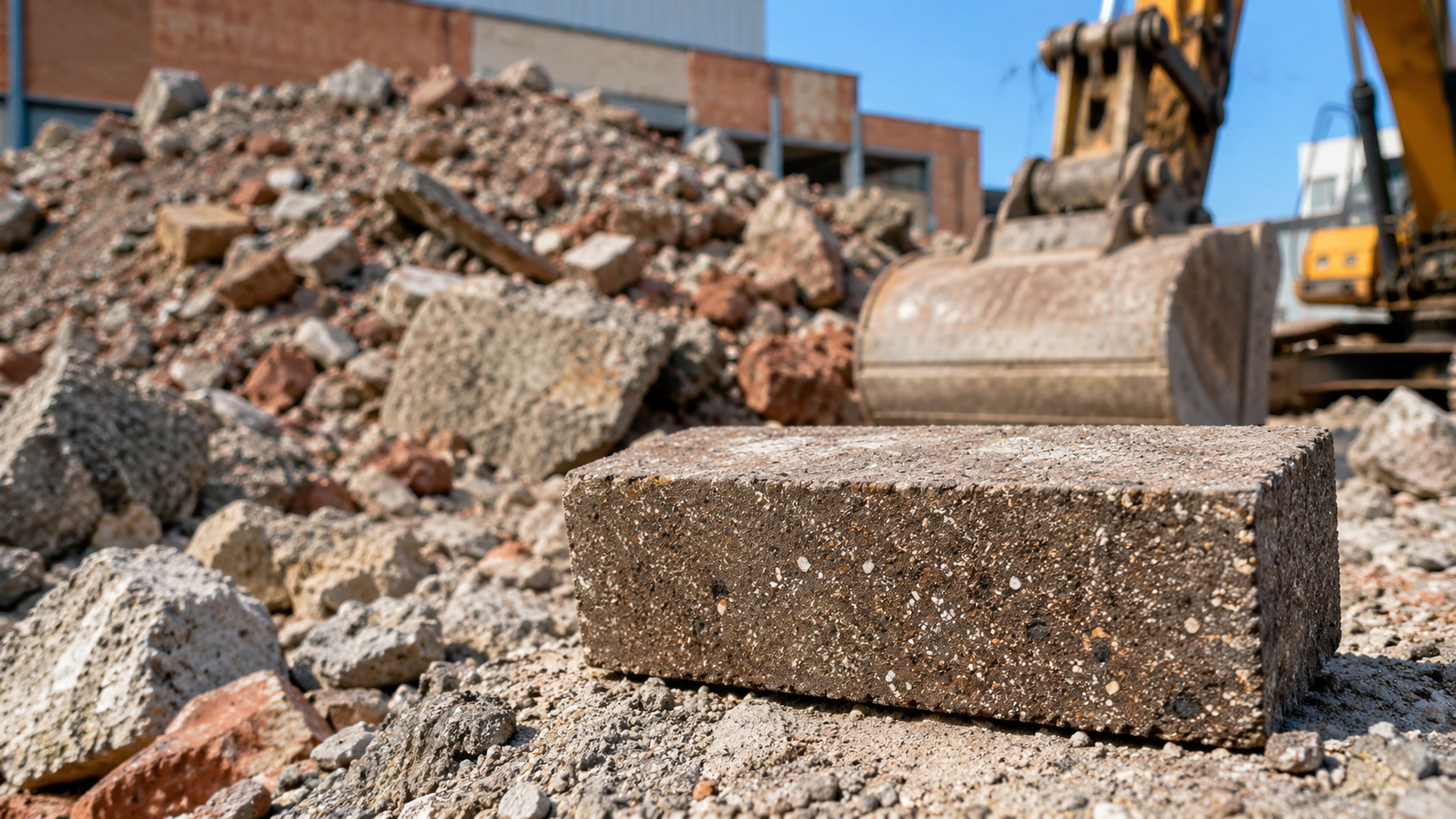
Scotland creates a brick made with over 95% recycled debris, eliminates kiln firing, and attempts to reinvent a piece used in construction for almost a thousand years.


Maria Fernanda Hijjar, partner at the Logistics and Supply Chain Institute (Ilos), said that “We can draw a parallel with the airport concessions. The gain in productivity was significant. From this perspective, I am optimistic about the privatizations of the Port Authorities,” when talking about investments in the Port Authority.
“The problem of lack of resources is historical and tends to worsen, due to the fiscal trap we are anticipating. And we must remember that the Port Authorities have always been targets of political patronage and accusations of embezzlement,” claims Claudio Frischtak, founder of Inter.B International Business Consultancy.
In a statement, the Ministry of Infrastructure claims significant difficulties with investments, “The low budget execution in the Port Authorities is a historical problem that has been exacerbated and arises from various factors, such as the deficiencies and excessive bureaucracy in the planning and budgetary and financial execution processes in the public sector. The Ministry of Infrastructure has been focusing efforts on promoting denationalization, which is already being developed for the organized ports of Vitória, Barra do Riacho, Santos, São Sebastião, and Itajaí.”







Be the first to react!