Portuguese
  Spanish


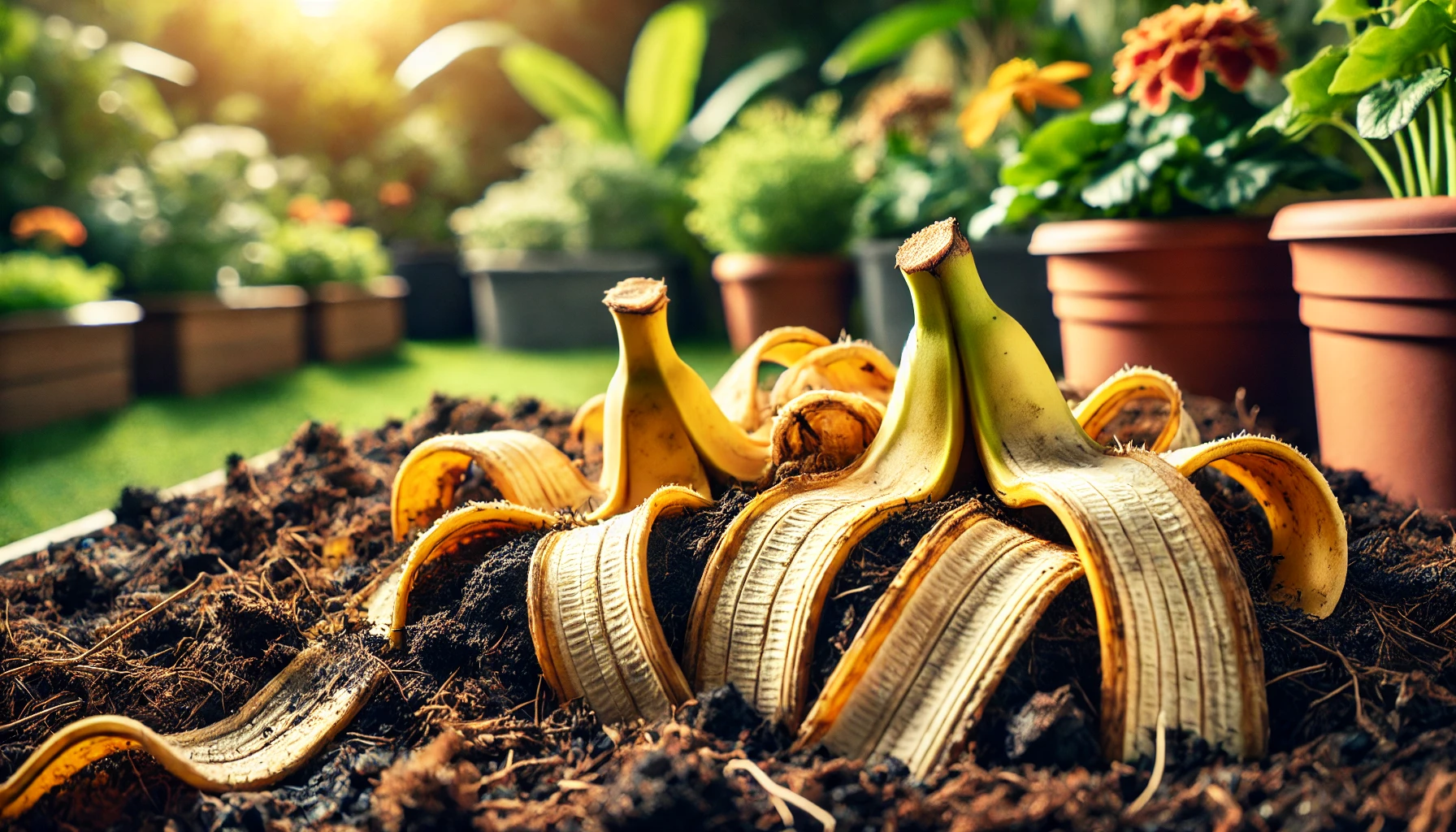

Did You Know That Banana Peels Can Turn Into An Excellent Organic Fertilizer? Rich In Potassium, Phosphorus And Other Nutrients, They Help Strengthen Plants Naturally.
Recycling food scraps can be more useful than it seems. The banana peel, which usually goes straight to the trash, transforms into a powerful fertilizer. Rich in potassium, it is an ally of plant growth and fruit production. And the best part: it is ecological, sustainable, and practically free.
Why Are Banana Peels So Useful?
Potassium is an essential nutrient for plants. It participates in nutrient transport, regulates water absorption, and is crucial in flower and fruit formation.
A deficiency of this mineral can leave plants more vulnerable to pests, diseases, and directly affect productivity.
-
Archaeologists Discover Nearly Intact 1,500-Year-Old Byzantine Mosaic with Greek Inscriptions, Including a Message to “Burst with Envy”

-
California Student Develops AI-Powered System to Detect Elderly Falls at Home, Even in the Dark, Earning Title of America’s Top Young Scientist

-
Workers Discover Ancient Sanctuary with Temples and Roman-Era Inscriptions While Clearing Bomb Debris for Highway Construction

-
Scientists Discover Over 600 Meteorite Glass Fragments in Northern Brazil, Evidence of a 6.3-Million-Year-Old Cosmic Impact with Unfound Crater


In addition to potassium, banana peels also contain phosphorus, calcium, and magnesium—nutrients that contribute to root development, structural resistance of plants, and overall strengthening. Using the peel in home gardening or organic farming is a simple and natural way to provide these elements.
The Decomposition Challenge
One of the obstacles in using the peel directly is its rapid decomposition. As it degrades quickly, it can release odors and attract insects. To get around this, a practical tip is to store the peels in the freezer until ready to use. This preserves their properties and prevents waste.
Four Traditional Ways to Use in the Garden
There are several ways to apply banana peels as fertilizer. Each has its advantages and can be chosen based on the type of cultivation or the gardener’s preference:
Composting: The peels are mixed with other organic waste, such as dry leaves and food scraps. The final compost is balanced, improves soil quality, and favors moisture retention. However, the release of potassium is not immediate.
In the Planting Hole: Burying pieces of peel directly in the soil, near the roots of vegetables like tomatoes and peppers, gradually releases nutrients. This method favors fruit growth and strengthens the roots.
Banana Tea: There are two ways to prepare it:
— Mashed: the peel is submerged in water for 24 hours.
— Boiled: the peel is boiled for 10 to 15 minutes.
In both cases, the liquid obtained can be used to water plants. The nutrient absorption is quick, and the preparation can be stored in the refrigerator for up to a week.
Dehydrated and Ground Peel: This is a practical way for those who want to store fertilizer for a longer time. The peel is dried in the sun or in the oven, then crushed into powder. Apply one tablespoon of powder for every 20 liters of soil. The effect is slow but consistent and long-lasting.
Other Creative Ways to Use the Peel
Over time, new methods have been tested and shared by experts and gardeners. One of them is the combined liquid fertilizer, made with 4 chopped banana peels, 1 tablespoon of Epsom salts (rich in magnesium), and 2 crushed eggshells, diluted in 1 liter of water. The mixture provides a “nutritional combo” that favors plant development.
Another practical tip is to use the inside of the peel to clean leaves of ornamental plants. It removes dust and also gives shine to the leaves, without chemicals.
Some reports also indicate that the decomposition of the peel in the soil can repel pests such as aphids, due to the odor released, acting as a natural and ecological repellent.
Environmental and Social Benefits
Besides the effects on plants, using banana peels has a positive environmental impact. It reduces the volume of organic waste, avoids the use of synthetic fertilizers, and helps in the recovery of poor or depleted soils. All this at no cost and with almost no impact.
In times of increased pesticide use and concern for the soil, practices like this help promote organic farming. Small daily gestures can yield significant results in the long run.
The banana peel is a symbol of intelligent reuse. Simple, accessible, and powerful—it turns waste into life.