






 Portuguese
  Spanish


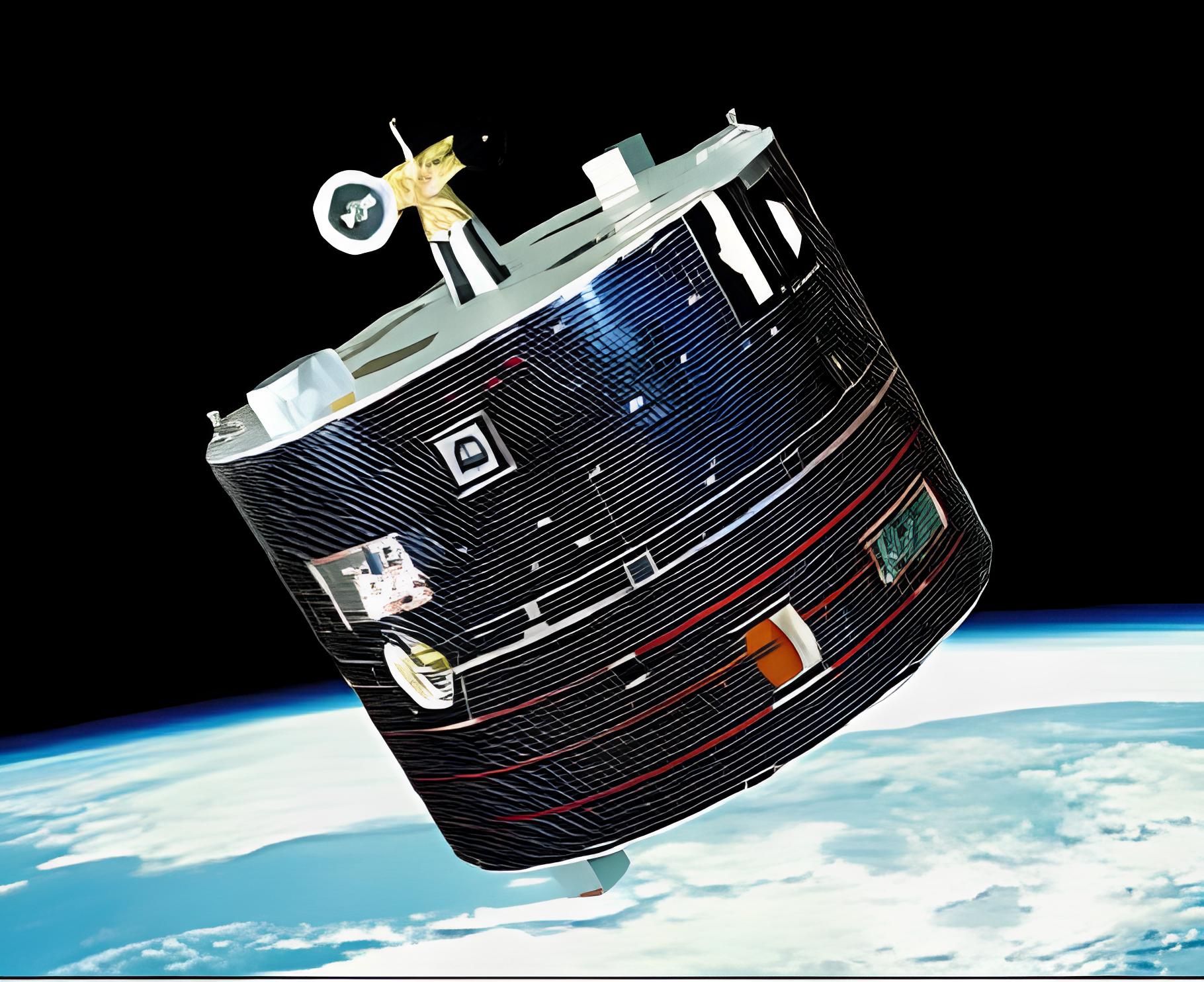


With More Than 30 Years of Activity, SCD-1 Remains Active in Orbit, Placing Brazil at the Top of Technological Resistance in Space.
Did you know that the oldest satellite still in operation on the planet is not American, European, or Russian — but Brazilian? Launched in 1993, SCD-1 continues to operate today, defying all predictions and surpassing global tech giants. While most satellites last only a few years in orbit, SCD-1 has surpassed three decades of constant work, establishing itself as a symbol of the intelligence, simplicity, and efficiency of Brazilian space engineering.
Discover below how this satellite has survived the test of time and become a silent legend of our technology.
The Satellite That Was Born to Last 1 Year — and Survived for More Than 30
On February 9, 1993, Brazil made history with the launch of the Satellite for Data Collection 1 (SCD-1), the first fully developed on national soil.
-
Swiss glaciers melting fast enough to fill an Olympic pool every 6 seconds, France confirms 3,700 heatwave deaths, and WMO predicts strong El Niño intensifying extremes until 2027

-
Sudden Sea Recession in São Paulo Sparks Tsunami Alert and Online Debate on Giant Wave Risks in Brazil

-
China Launches World’s First 307-Meter Floating Wind Platform to Supply Oil Rigs, Aiming to Cut 35,000 Tons of CO2 Annually
-
Japan Deploys Offshore Concrete Factory, Constructs Massive Caissons in 8 Days, Revolutionizing Port Construction with Industrial Efficiency


Its mission: Monitor environmental data — such as rainfall, winds, and river levels — to support climate studies and strategic decisions.

The launch took place in the United States, from the Kennedy Space Center, in Florida, with the support of NASA. The satellite was placed in orbit at a 750 km altitude from Earth and had an expected operational life of only 12 months.
But defying all predictions, SCD-1 remains active to this day, becoming the oldest satellite still in operation in the world — even surpassing the Japanese Geotail, decommissioned in 2022.
A Simple Design That Became a Global Success Story
What is the secret to SCD-1’s longevity? According to specialists from INPE (National Institute for Space Research), the significant trump card was its project simplicity.
Instead of relying on complex and expensive systems, the satellite employs an ingenious rotation for stabilization — dispensing with advanced software and onboard computers.
This design, more robust and reliable, drastically reduced the chances of failure.
The result is a satellite resistant to the test of time, the harsh conditions of space, and the natural wear of components. Even with 90s technology, it still operates with precision and regularity.
Why Is SCD-1 Still Essential for Brazil?
More than a historical symbol, the SCD-1 still plays an active and strategic role in Brazil.
Its sensors capture valuable environmental data, such as:
- Rainfall volume
- Humidity levels
- River levels
- Wind behavior
This information is essential for the functioning of weather prediction systems, environmental research, hydrological studies, and even for the energy sector, especially hydroelectric plants.
Public agencies, universities, research centers, and companies use SCD-1’s data daily — making its operation something much more current than one might think.
A Legacy That Strengthened the Brazilian Space Program
The success of SCD-1 was so significant that in 1998, Brazil launched the SCD-2, reinforcing the national presence in space.
Both satellites are part of the Complete Brazilian Space Mission (MECB), created in 1979 with the aim of consolidating a national aerospace technology industry.
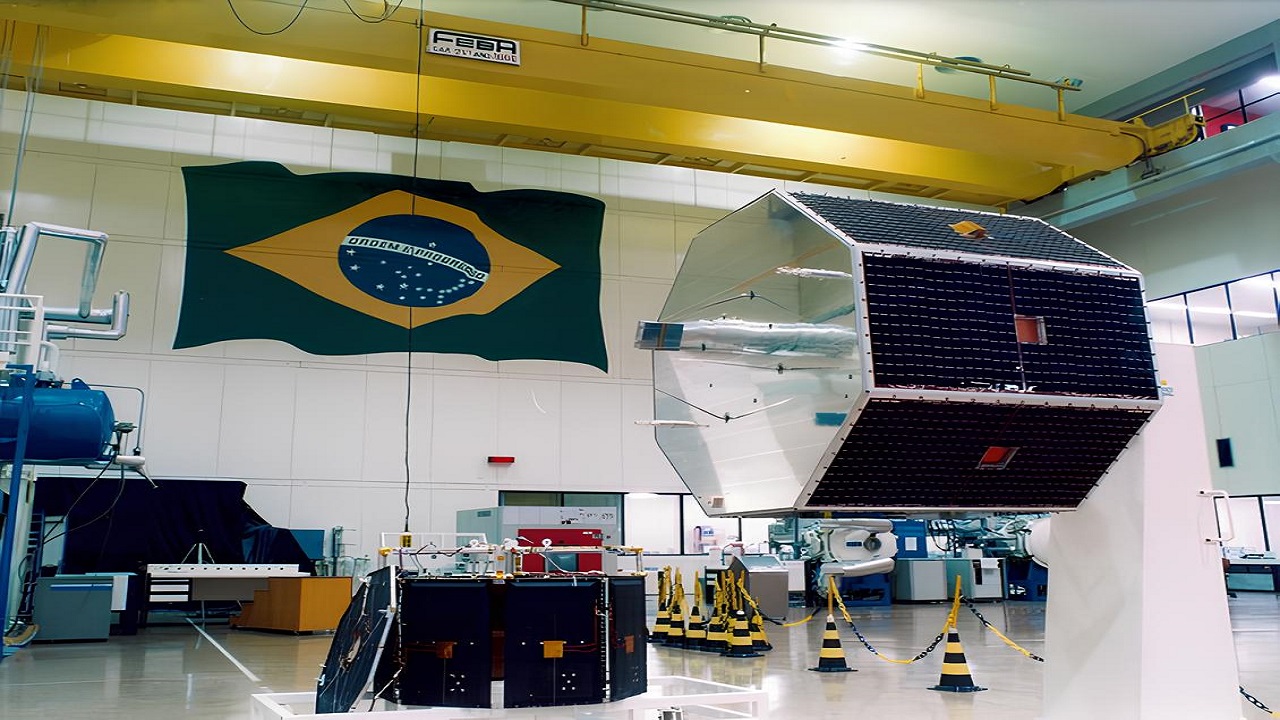
This mission not only represented a technical leap for the country but also positioned Brazil as one of the few countries in the Southern Hemisphere with autonomy in satellite development.
Thus, SCD-1 goes far beyond an isolated milestone: it is a symbolic and technical pillar of a national ambition.
A Silent Achievement That Deserves to Be Celebrated
At a time when there is so much talk about artificial intelligence, reusable rockets, and cutting-edge satellites, it is remarkable to remember that an artifact launched over 30 years ago — with limited resources and simple technology — continues to operate with excellence.
SCD-1 is, at the same time, a symbol of persistence and Brazilian potential. It shows that with focus, ingenuity, and good design choices, it is possible to achieve lasting feats even with fewer resources than major space powers.
And the most surprising? Almost no one knows about this.





Parece uma coxinha da JBL hahahahah 🤣💜
Parabéns a todos os brilhantes engenheiros do INPE envolvidos no projeto !
Uma pena não termos adequada divulgação de feitos tão importantes para nosso país
Fiquei chocado com essa descoberta e indignado ao mesmo tempo, porque como que um feito desse tenha passado despercebido ou pouco mencionado ao longo de décadas?? Isso mostra o quanto o brasileiro sabota a si e/ou desdenha de seus próprios feitos, além de desacreditar da própria capacidade.