





 Portuguese
  English
  Spanish
  5 min of reading
  0 comments


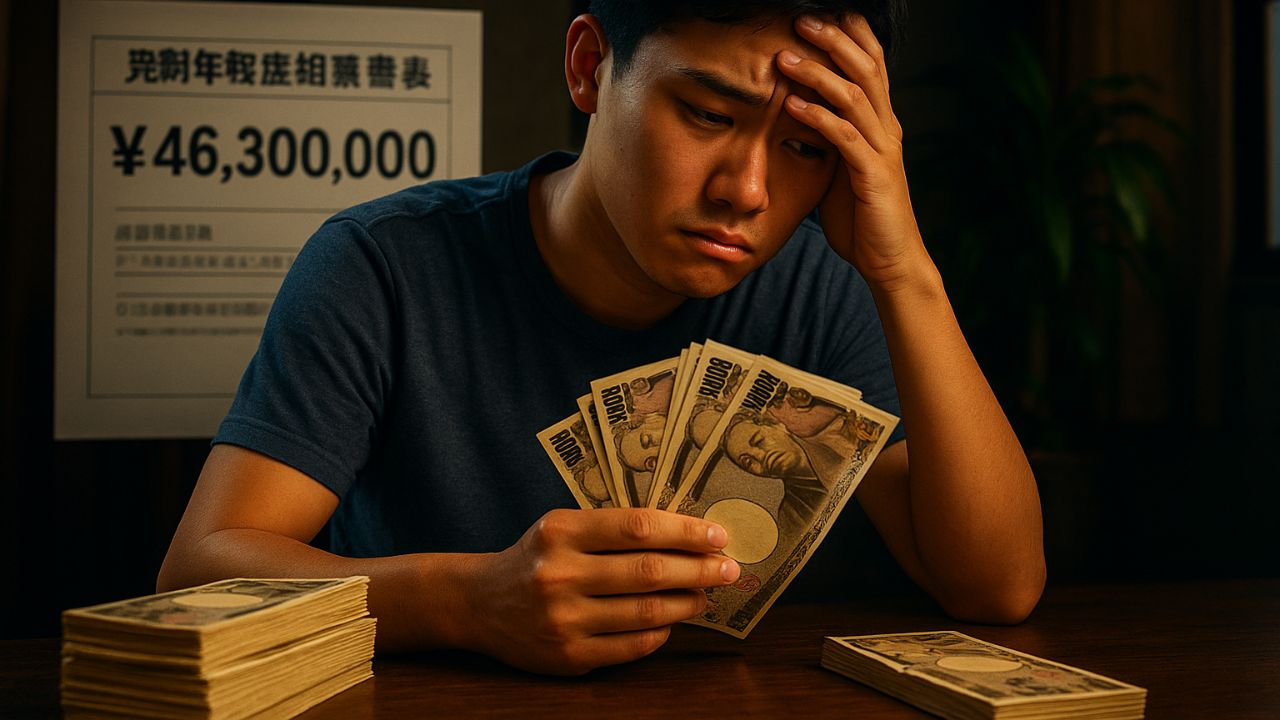
Understand The Case Of The Young Man Who Receives By Mistake A Government Aid Intended For 463 Families, Spends The Fortune In Online Casinos And Finds An Unexpected Redemption In Japan.
In April 2022, an administrative error in the quiet city of Abu, Japan, resulted in a 24-year-old young man, Sho Taguchi, receiving by mistake in his bank account the amount of ¥ 46.3 million (about R$ 1.8 million). The amount was, in fact, a COVID-19 relief fund intended for 463 low-income families in the region. Instead of returning the money, Taguchi began a two-week betting marathon, losing every penny.
The case, which quickly made national headlines, exposed the fragility of bureaucratic systems and triggered an unprecedented legal battle. The timeline of events, detailed by VICE News, shows the rapid transition from an administrative error to a criminal investigation that culminated in Taguchi’s arrest. The saga, however, was far from over, evolving into a complex story about justice, public opinion, and rehabilitation in the digital age.
The Million-Dollar Error And The Two-Week Bet
It all started with a procedural failure that combined outdated technology and poorly configured digital systems. The city hall of Abu prepared a payment list on a floppy disk to be delivered to the bank, but at the same time, sent an online form. Due to a formatting error in this second file, the banking system interpreted Sho Taguchi’s account, the first name on the list, as the sole recipient of the entire amount. The money was transferred on April 8, 2022, and by the time the error was discovered, it was too late.
-
Starting June 7, 27 European countries prohibit asking about previous salary in interviews, and Brazil has chosen a different path.

-
Billionaire Anne Marie Werninghaus, heir to WEG with R$ 9.1 billion, inaugurated the a.marie store at Casarão Emmendörfer in Jaraguá do Sul.

-
While millions of Brazilians still face unemployment and low wages, Chinese companies are increasing the hiring of foreigners, bringing more than a thousand Chinese people to Brazil each month, and changing the industrial reality of Bahia.

-
China is about to get its hands on one of Brazil’s largest nickel sources, but the European Union has decided to hold up the $500 million deal and may even block the sale permanently in the coming months.


Initially, Taguchi agreed to cooperate, but his stance changed quickly. Over 14 days, he made 34 systematic withdrawals, emptying the account before authorities could block it. All the funds were transferred to payment intermediaries abroad and spent on online casinos. Confronted by authorities, he stated the phrase that would become famous: “It can no longer be undone. I will not run away. I will pay for my crime”. Shortly after, he disappeared, becoming unreachable.
The Legal Strategy That Recovered The Fortune
While public opinion was divided, with some blaming Taguchi’s recklessness and others criticizing the government’s incompetence, as pointed out by VICE News, the city of Abu launched a legal offensive. The first step was to ensure that the 463 families received the aid, using other municipal funds to honor the commitment. Next, the city hall filed a civil lawsuit against Taguchi, but the real masterstroke came from the city’s legal team.
As detailed by the portal SoraNews24, the lawyers adopted an innovative strategy. Instead of focusing on Taguchi, who no longer had assets, they targeted the three payment processing companies that received the money. Arguing that the transactions were “moralistically problematic” due to the illicit origin of the funds, the legal team was able to pressure the intermediaries to return the money. The tactic was successful: on May 24, the mayor announced that they had recovered about 90% of the amount, approximately ¥ 43 million.
The Trial And The Suspended Sentence
The recovery of the money was a crucial mitigating factor in the trial of Sho Taguchi, who was arrested on May 18 on charges of computer fraud. The prosecution sought a sentence of four and a half years in prison, arguing that the crime was “>self-centered”. The defense, in turn, argued that Taguchi was innocent of the specific charge, as he only transferred funds that were already in his account, without entering false information into the banking system.
According to Japanese broadcaster TNC News, the Yamaguchi District Court found Taguchi guilty on February 28, 2023. The judge determined that Taguchi had a legal duty to inform the bank about the error and that by failing to do so, his actions became fraudulent. However, considering the near-total recovery of the funds, his remorse, and the absence of a criminal record, the final sentence was three years in prison, with a five-year suspension. This means he will avoid jail if he does not commit any crimes during that period. The defense immediately appealed the decision.
Digital Redemption: From Villain To Influencer
The most unexpected chapter of this story began after Taguchi’s release on bail. As widely covered by SoraNews24, the bail was paid by Hikaru, one of the most famous and controversial YouTubers in Japan. Hikaru not only paid the amount but also offered Taguchi a job in one of his companies and began documenting his rehabilitation process on his YouTube channel, transforming a national pariah into a figure in search of redemption.
With the YouTuber’s support, Taguchi’s image began to change. He opened a Twitter account to showcase his progress, learning to use office software and working to pay off the remaining legal costs owed to the city. In just a few days, he amassed tens of thousands of followers, with the public responding positively to his journey of atonement. The same public that fiercely condemned him showed receptiveness to a second-chance narrative, demonstrating the fluidity of public opinion in the social media age.
Sho Taguchi’s case is a modern tale of how a bureaucratic error can transform into a national phenomenon. It exposed flaws in government systems, inspired a creative legal solution, and ultimately opened a debate about the nature of justice and forgiveness. The saga of Abu serves as a reminder of the complex interactions between individual responsibility, institutional failure, and the unpredictable power of digital culture.
What do you think of this outcome? Was justice served or did the YouTuber’s intervention change the course of history in an unexpected way? Leave your opinion in the comments; we want to know what you think.









-

1 person reacted to this.