






 Portuguese
  Spanish
  4 min of reading
  0 comments


Forbes identifies Anne Marie Werninghaus as the largest individual shareholder of the founding family of WEG and owner of an estimated wealth of R$ 9.1 billion. On May 23, 2026, she inaugurated the first store of her own brand a.marie in the center of Jaraguá do Sul. The chosen address was the Casarão Emmendörfer, a building listed as historical heritage.
The boutique is located at the corner of Avenida Marechal Deodoro da Fonseca and Rua Procópio Gomes de Oliveira, in a mansion built by a German family from the Baden region who arrived in the Vale do Itapocu in 1910. The heiress rented and restored the building to house pieces from COACH, Sommer, Open, Maria Dolores, and Hector Albertazzi.
The richest heiress of the WEG family
The wealth of R$ 9.1 billion places Anne Marie in a unique position within the controlling clan. WEG, headquartered in Jaraguá do Sul, was founded in 1961 by three partners: Werner Voigt, Geraldo Werninghaus, and Eggon João da Silva. Seven decades later, the group became a global reference in electric motors, and the family fortune created a generation of young billionaires.
Forbes itself highlighted in its 2026 list names like Amelie Voigt Trejes, granddaughter of Werner Voigt, who became the youngest billionaire in the world at 20 years old with a fortune valued at US$ 1.1 billion. Her cousins Dora and Lívia Voigt de Assis appear on the list with about US$ 1.4 billion each, and the twins Felipe and Pedro Voigt Trejes add another US$ 1.1 billion each. Anne Marie, from the Werninghaus line, is the one with the largest wealth in the group. I imagine what a family meeting is like with someone entering the Forbes ranking at each release.
-
How much does a gas station owner earn? A business that seems like a money-making machine can generate R$ 1.5 million per month and still profit only R$ 40,000, while the real earnings come from convenience, car wash, and extra services.

-
Elderly individuals may obtain essential documents without paying fees: a project that includes CIN, CNH, CPF, and work card advances in the Chamber, eliminates issuance and renewal charges, and leaves Brazilians waiting for decisive steps to see if the benefit will actually be implemented.
-
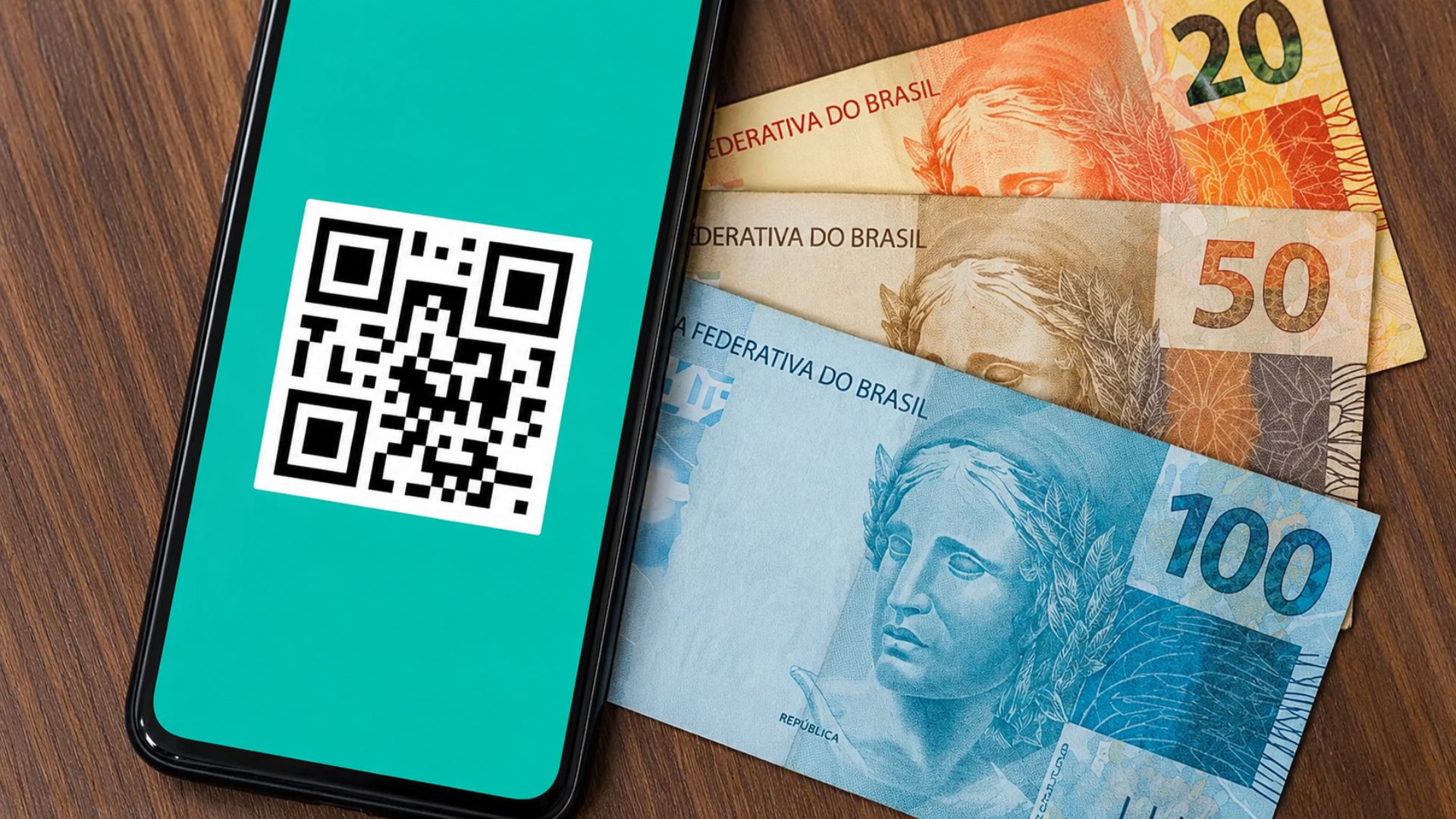
Paper money is disappearing from Brazilians’ pockets, with the issuance of new banknotes dropping by 31% from 2020 to 2025, amid the explosion of Pix, which became the most frequent payment method for 46% of the population, while cash plummeted from 42% to 22%.

-
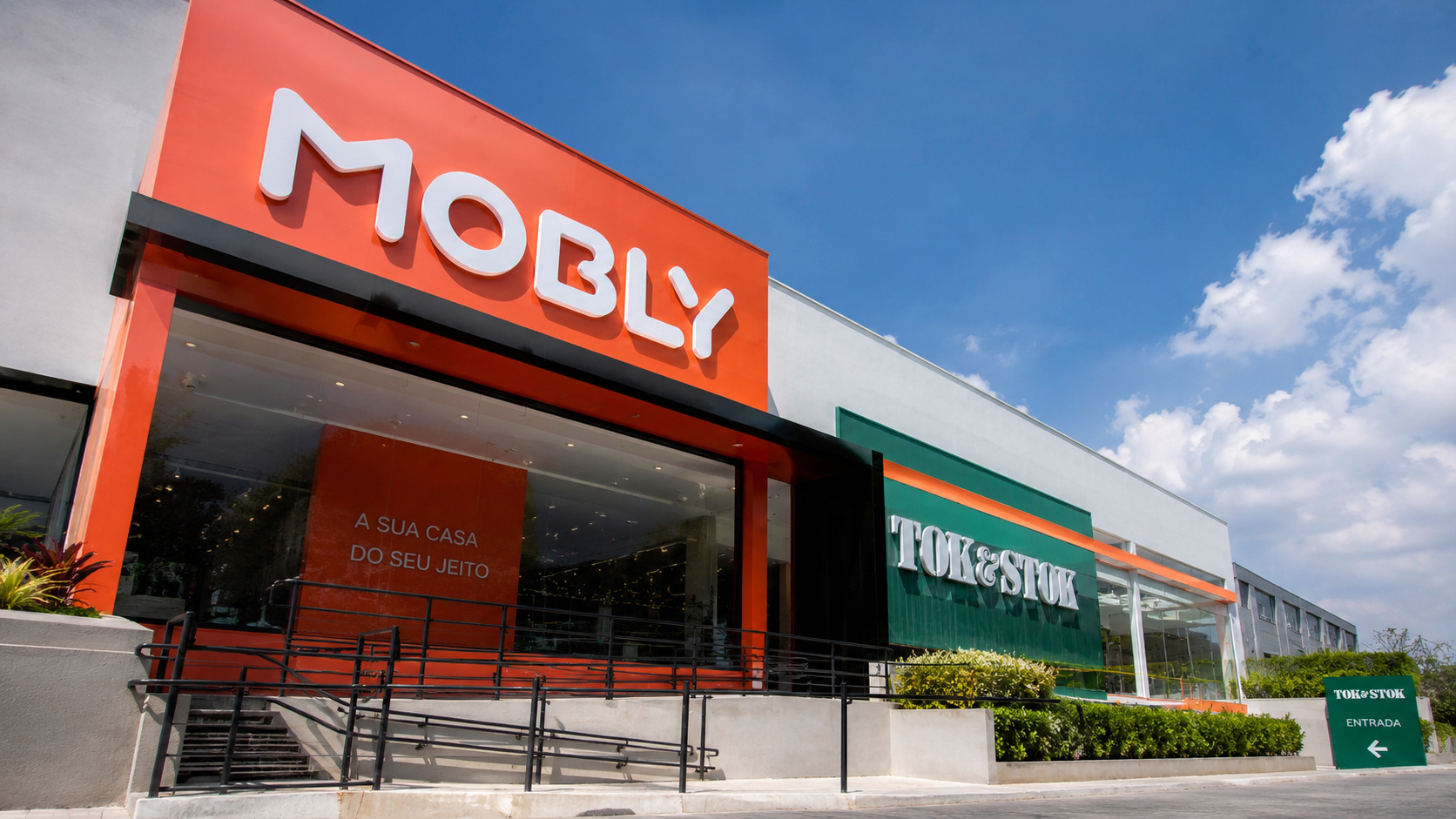
Owner of Tok&Stok and Mobly raises alert in retail, sees debt exceed R$ 1 billion and rushes to court to try to save stores, jobs, and essential operations



Casarão Emmendörfer: 1910, Baden family in the Vale do Itapocu
The chosen location for the store is not just any building in the center. The Emmendörfer Mansion is part of the very history of the city’s founding. The patriarch Sebastian Emmendörfer, coming from the Baden region in the southwest of present-day Germany, arrived in Jaraguá in 1910 with his son José, his wife, and his brothers Rodolfo, Floriano, and Adolfo.
The property’s records show at least two major interventions before the current renovation: in 1918, José Emmendörfer altered the mansion; and in 1960, with the property already in the name of his daughter Lucila, the building was expanded and gained a laundry. I confess you can take the entire historical journey on the block: the corner of Marechal Deodoro holds 116 years of Jaraguá in a single facade.
The region maintains a strong trace of German immigration that also shaped other mountain destinations in Brazil, such as Domingos Martins, in Espírito Santo, founded in 1847 by 39 families from the Hunsrück and today surrounded by monoliths that change color throughout the day.

Why Jaraguá do Sul instead of São Paulo
The a.marie catalog mixes international brand COACH with Brazilian clothing and accessory brands: Sommer, Open, Maria Dolores, and Hector Albertazzi. This is not necessarily the mix that usually debuts in a billionaire’s flagship. The luxury weight is discreet, and the curation seems more like a conversation with the city than with a São Paulo queue.
The gesture also resonates with the time of WEG. The group was born in Jaraguá in 1961 and, seven decades later, maintains its industrial headquarters and most of its manufacturing park there. The choice to open the store not in a flagship in SP or Rio, but in the historic block of the headquarters city, is consistent with the history of Santa Catarina, a land of local works that reemerge from oblivion, like SC-370 of Corvo Branco which has just received asphalt between Urubici and Grão Pará after decades of dirt roads.
We usually associate Brazilian billionaires with a São Paulo flagship or an apartment in Manhattan. The richest heiress of WEG chose the opposite path. She rented a 1910 mansion just minutes from the headquarters where the Werninghaus surname became a registered trademark of the state.
Would you know a.marie by the mansion or by the billionaire behind it? Tell us in the comments.




Be the first to react!