






 Portuguese
  Spanish
  2 min of reading
  0 comments


New Minimum Wage for 2025 Will Be R$ 1,518, Representing an Increase of R$ 106 Compared to the Current Minimum Wage
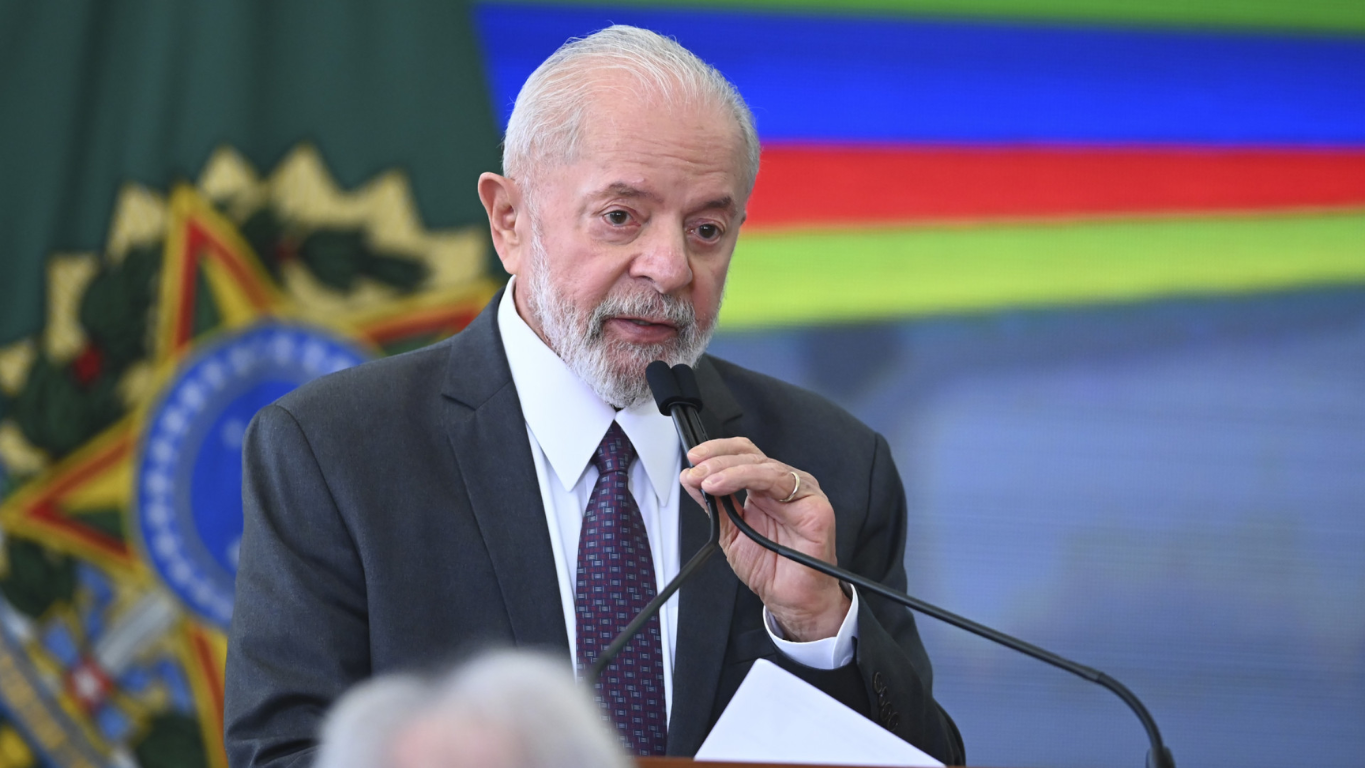
The president Luiz Inácio Lula da Silva enacted a new rule that establishes limits for the adjustment of the minimum wage.
According to the new legislation, the minimum wage for 2025 will be R$ 1,518, representing an increase of R$ 106 compared to the current value of R$ 1,412.
The final amount will be officially confirmed soon through a presidential decree, according to the website economiaaominuto.
-
A Brazilian city decided to purchase a piece of the Atlantic Forest with more than 153,000 square meters, and owners of preserved areas will be able to submit proposals to transform the forest into a conservation unit.

-
Brazilian siblings aged 11 and 7 read 240 books in just one year and caught attention on social media: while many children spend hours on screens, they turned their family’s routine into an example of reading, discipline, and curiosity.
-
The legendary oak that, according to the story, hid Robin Hood from the Sheriff of Nottingham, died at the impressive age of 1,200 years in England, and the first chilling sign of its end was that no leaves sprouted on the tree this spring.

-
While the world looks at forests, the UN warns that the Earth is also threatened by the silent degradation of natural grasslands and savannas, ecosystems that cover half of the planet, support billions of people, and can exacerbate water, food, and climate crises.


Objective of the New Adjustment Rule
The measure is part of a package of mandatory spending cuts proposed by the federal government and approved by the National Congress.
The new rule limits the adjustment of the minimum wage to 2.5% above inflation between 2025 and 2030.
This adjustment aims to align wage growth with the limits established by the new fiscal framework.
Details About the Current Adjustment Policy
Currently, the adjustment policy for the minimum wage remains in effect.
Since 2023, the increase is based on the sum of inflation measured by the National Consumer Price Index ( INPC ) over the past 12 months up until November and the growth of the Gross Domestic Product (GDP) from the two previous years.
The difference now is that there will be an adjustment ceiling of 2.5% above inflation.
Economic Impact of the New Minimum Wage Law
The approval of the minimum wage law is expected to generate savings of R$ 15.3 billion over the next five years.

This is due to the fact that for every R$ 1 increase in the minimum wage, expenses increase by R$ 392 million, mainly due to Social Security and benefits linked to the minimum, such as the Continued Provision Benefit (BPC).
Comparison with the Previous Rule and New Values
Under the previous rule, the minimum wage for 2025 would be around R$ 1,528, considering inflation by the INPC of 4.84% and the 3.2% growth of the GDP in 2023.
The new rule limits this increase to 2.5%, resulting in the new value of R$ 1,518.
When the New Minimum Wage Will Be Paid
The new wage is expected to be paid at the end of January or the beginning of February, for the days worked in January 2025.
The change reflects the government’s commitment to balancing economic growth and fiscal sustainability.





Be the first to react!