






 Portuguese
  Spanish


Professionals in 6 Areas Can Retire with 25 Years of Contribution. See Who is Entitled, How the Proof Works, and What Changed with the Reform.
Special retirement is a benefit created by Social Security to protect workers who spend their lives in unhealthy or high-risk activities. The logic is simple: if the job exposes the professional to heavier conditions, they should have the right to retire earlier, with less time of contribution.
While most Brazilians need 35 to 40 years of contribution to retire, in some functions this time can drop to only 25 years. In certain cases, even 20 or 15 years, depending on the severity of exposure to risk.
This difference is supported by social security legislation (Law No. 8,213/91 and the 2019 Social Security Reform), which maintained the provision for special retirement but included some changes that we will detail later.
-
Court Upholds Just Cause Dismissal of Employee for Posting Social Media Videos During Work Hours

-
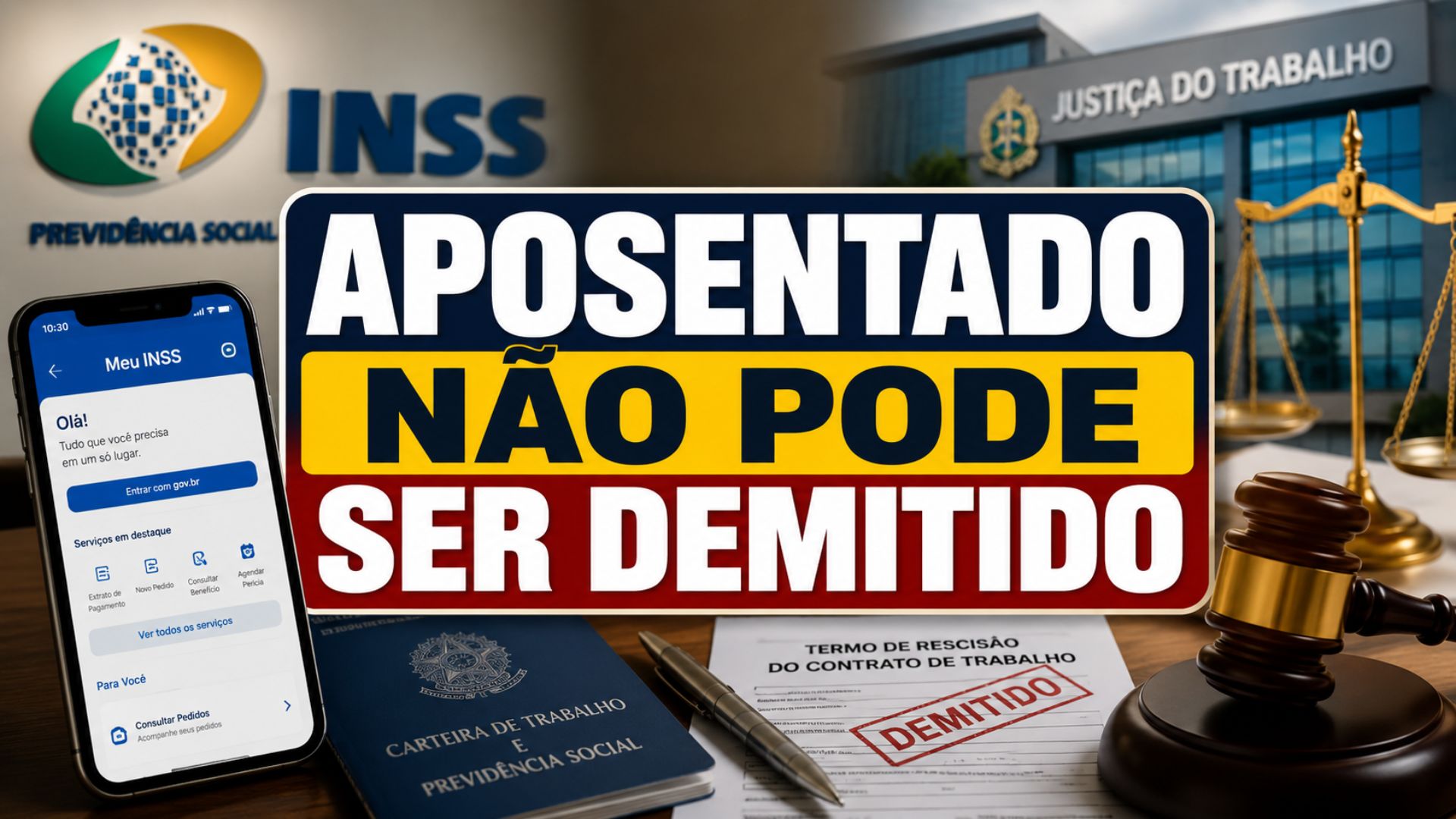
Dismissing a retired worker or one eligible for retirement constitutes ageism and creates a duty to compensate: a unanimous decision by the TRT mandates reinstatement to employment, payment of back wages, and upholds compensation of R$ 15,000 for discrimination.

-
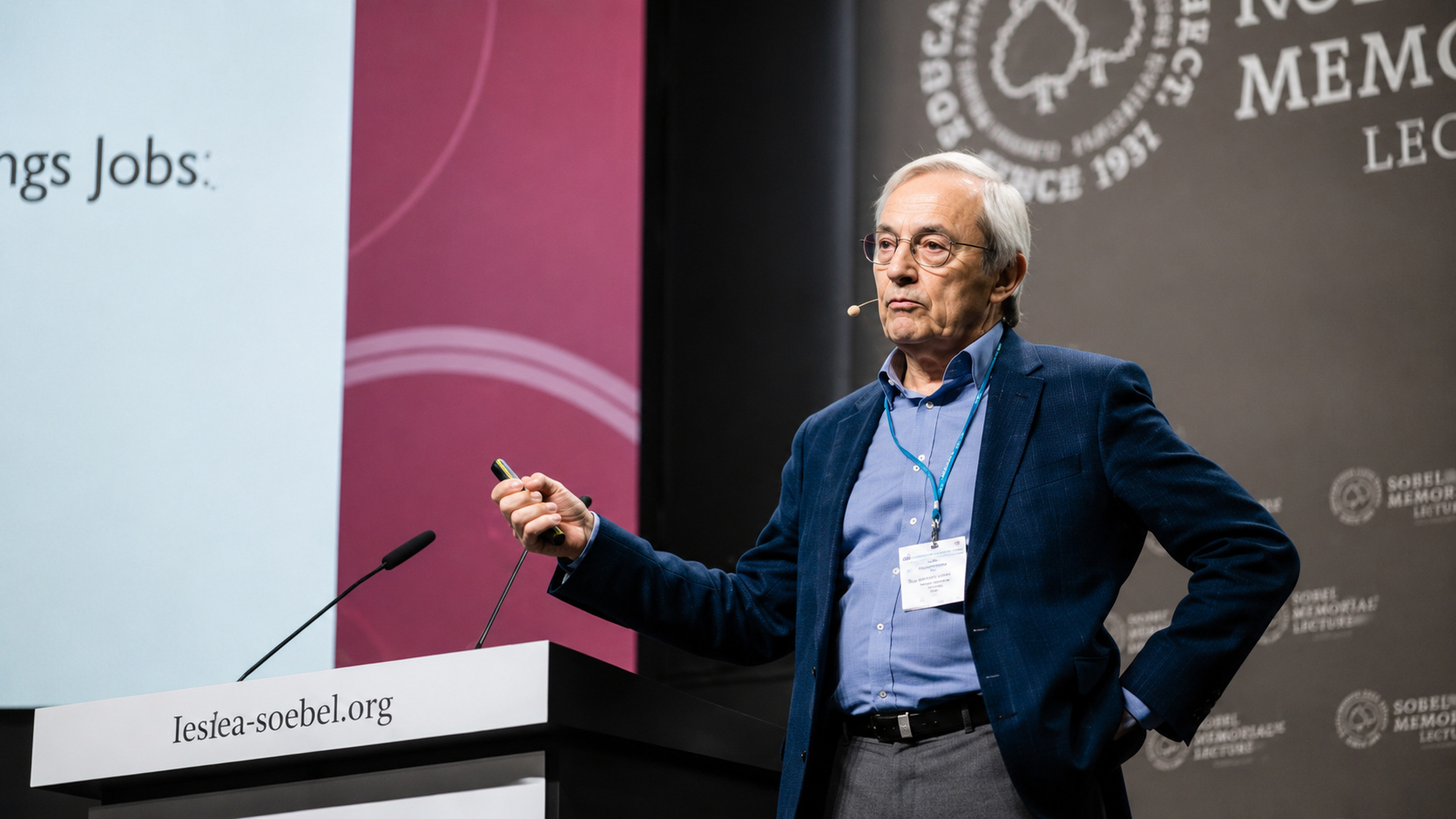
Work less and produce more? Nobel Prize in Economics explains why shorter workdays can increase productivity

-
Unions are growing again in Brazil after more than a decade, but they face an urgent challenge to win back digital workers and maintain relevance.


The 6 Areas That Guarantee Special Retirement with 25 Years of Contribution
According to social security legislation and INSS regulations, workers permanently exposed to harmful agents can request special retirement. Among the main recognized areas, 6 stand out:
- Health Professionals (nurses, doctors, radiology technicians, dentists, and nursing assistants)
- Exposure to biological agents (viruses, bacteria, and other pathogens).
- The law recognizes continuous contact with patients and contaminated materials as unhealthy.
- Chemical and Petrochemical Industry Workers
- Exposure to solvents, hydrocarbons, and toxic chemical substances.
- These are environments where even protective equipment do not completely eliminate the risk.
- Armed Guards and Security Personnel
- Due to permanent exposure to the risk of violence, robberies, and armed confrontation.
- Case law has established the right to special retirement.
- Underground Mining Workers (not directly at the mining face)
- When they are not at the frontline but still in constant contact with mineral dust and unhealthy environments.
- Urban Public Transport Bus Drivers and Conductors
- Recognized for exposure to excessive noise, vibrations, and constant accident risks.
- Electrical Workers (high-voltage lines above 250 volts)
- Continuous risk of electric shock, fire, or explosion.
These categories, when proving permanent exposure, can retire with 25 years of contribution, receiving a differentiated benefit.
How Proof Works: PPP and LTCAT
It is not enough to just be in one of these professions. The INSS requires technical proof:
- PPP (Social Security Professional Profile): a document provided by the company with a history of functions, risks, and working conditions.
- LTCAT (Technical Report on Environmental Work Conditions): prepared by an engineer or occupational physician to detail the exposure.
These documents are the basis of the special retirement request. Without them, the benefit is hardly granted.
Social Security Reform: What Changed?
Until November 2019, it was enough to prove 25 years of special activity to be entitled to full retirement.
After the Reform, transition rules and new requirements emerged:
- Points System: the sum of age + time of contribution must reach a minimum (e.g.: 86 points for those with 25 years of special contribution).
- Minimum Age: in some cases, 60 years is required for activities with 25 years of contribution.
Even so, special retirement remains one of the most advantageous benefits of INSS, as it significantly reduces the time needed to end a career.
Economic and Social Impacts
According to data from the Ministry of Social Security, over 1 million workers in Brazil have potential eligibility for special retirement.
- The Health Sector accounts for the majority of beneficiaries.
- Urban Public Transport is one of the most litigated, due to the difficulty of proving noise and risk conditions.
- Industry and Mining still face significant litigation, as many companies do not properly deliver the reports.
The guarantee of this benefit has a direct impact on the welfare of the worker and also on social security costs, which explains the strictness in oversight.
Why This Right is Important?
Imagine a nursing technician who spent 25 years daily exposed to viruses and bacteria in public hospitals.
Or an electrician who climbed poles with high voltage for decades. These professionals age with more physical and mental wear, and the law recognizes that it is fair to give them the chance to stop earlier.
Moreover, special retirement helps renew generations within professions, as it opens space for new workers in critical sectors such as health, transport, and energy.
A Right Conquered and Maintained
Special retirement remains one of the most important and controversial points of Social Security. Despite recent changes, it ensures that workers exposed to risk receive differentiated treatment.
Health professionals, security guards, drivers, electricians, and heavy industry workers form a group that bears the effects of their professions on their bodies and minds — and the law recognizes that.
If you work in one of these areas, keeping reports, PPPs, and proofs can make the difference between retiring early or facing additional years of contribution.


