






 Portuguese
  Spanish


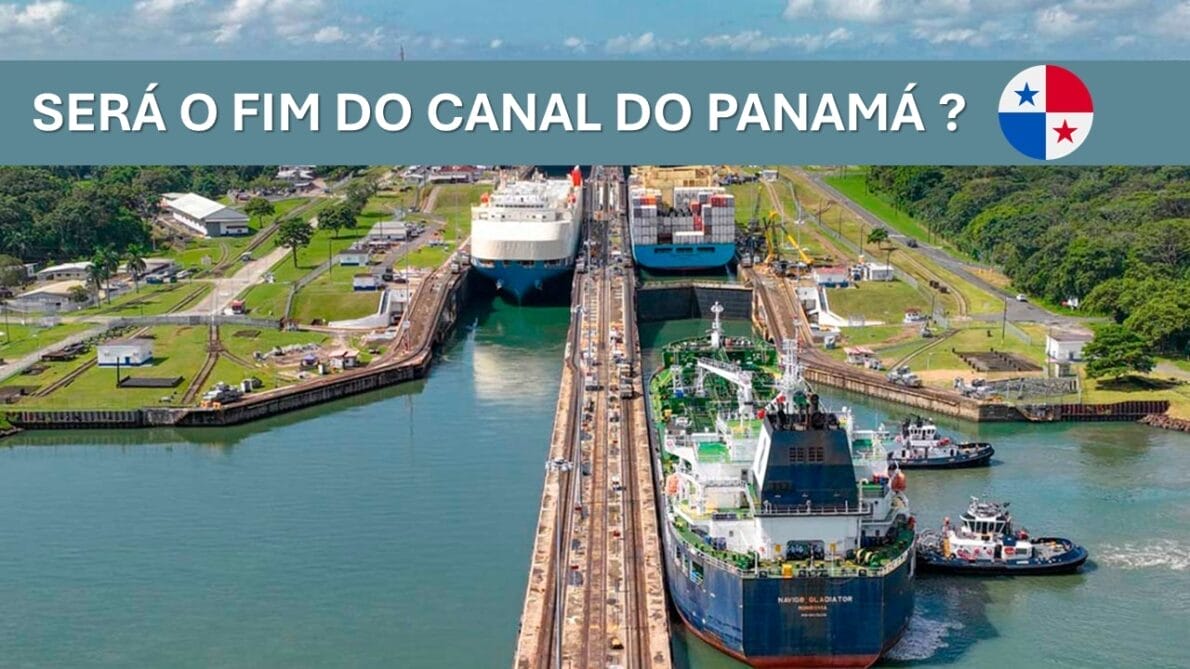

A Detailed Look at Mexico’s New Venture and Its Potential Impact on International Trade in the Panama Canal
For over a century, the Panama Canal has been a key piece of global trade, facilitating the movement of goods between the Atlantic and Pacific Oceans. However, Mexico is working to launch a new venture, the Interoceanic Corridor of the Isthmus of Tehuantepec, which could challenge this supremacy. Spanning over 1000 km, this mega project is already under construction and progressing rapidly. But what exactly does this project entail, and does it have the potential to rival the Panama Canal?
The construction of the Panama Canal was a monumental endeavor, initiated by the United States in 1902 and completed in 1914, and since then, the canal has become a vital route for global trade, with over 10,000 ships using it annually. However, in 2024, it may face new competition from the Interoceanic Corridor of the Isthmus of Tehuantepec. This project is not new, having been envisioned by Porfirio Díaz, Mexico’s president, in the late 19th century.
The Revitalization of the Line That Could Become Significant Competition for the Panama Canal
The current president of Mexico, López Obrador, launched a plan in 2018 to revitalize this old railway, transforming it into the Interoceanic Corridor of the Isthmus of Tehuantepec. With three main railway lines already completed or nearing completion, this project aims to establish a new transportation route between the Atlantic and Pacific Oceans.
-
U.S. Establishes Permanent Embassy in Jerusalem, Reigniting International Debate Over Israel’s Capital

-
The world has nearly 12,000 nuclear warheads, with the majority held by the United States and Russia; see the figures for China, France, and the United Kingdom.

-
Venezuela Faces UN Alert for Hunger, Disease, and Service Collapse After Earthquakes Cause Nearly 2,000 Deaths and $6.7 Billion in Damages

-
Brazil Deploys Navy Field Hospital with ICU, Orthopedics, Pediatrics to Earthquake-Stricken Area in Venezuela, Offering 30 Beds and 150 Daily Consultations


The first line, Line Z, was completed in August 2023, proving to be a faster option than crossing the Panama Canal. With the completion of the other two lines by the end of 2024, the corridor will be ready to operate, providing a new transport option for shipping companies.
And How Does the Panama Canal Stand with This Construction from Mexico?
The Interoceanic Corridor of the Isthmus of Tehuantepec does not seek to replace the Panama Canal, but rather to complement it. With the increasing demand for maritime transport and the challenges faced by the Panama Canal, such as the water scarcity in 2023, the Mexican corridor may offer an additional route, alleviating congestion at the canal during peak demand periods.
However, the Mexican project faces its own challenges, including resistance and protests from indigenous communities concerned about the environmental impact. Additionally, potential future competition from other projects, such as the canal in Nicaragua and the Northwest Passage, may affect its long-term relevance.
The Interoceanic Corridor of the Isthmus of Tehuantepec represents a new chapter in international trade, offering an alternative to the Panama Canal and connecting the world even further. The future of trade between the Atlantic and Pacific Oceans stands on the brink of significant changes, and Mexico is at the forefront of these transformations.






Desculpa…. mas seu artigo tem um grave erro histórico… A construção do canal de Panamá foi iniciado pela Colômbia em conjunto com empresa francesa quando Panamá era um estado da Colombia… com o apoio dos Estados Unidos da América foi realizado o movimento separatista …. como pagamento ao apoio recebido o governo americano impôs q o canal de Panamá fosse declarado propriedade americana … os Estados Unidos terminou as obras do canal de Panamá devido à sua paralização por parte da firma francesa responsável pela construção do canal.
Tudo bem, é digno de aplausos! Mas, eu parei pra pensar… e pensei: o Mexico, um país que vez por outra se rende aos grupos armados do tráfico de drogas, carteis de empresários corruptos, deve correr sério risco de voltar ao antigo velho oeste americano, quando bandos armados tomam de assalto os trens com mercadorias e dinheiro. Espero que eu esteja errado, que a America não tem mais isto…
Só pra contribuir: o México é um dos países que compõe a América do Norte.
…mas faz parte da América Latina.
Porque não uma parceria, assim que as águas voltarem o canal ficará mais barato.