






 Portuguese
  Spanish
  5 min of reading
  0 comments


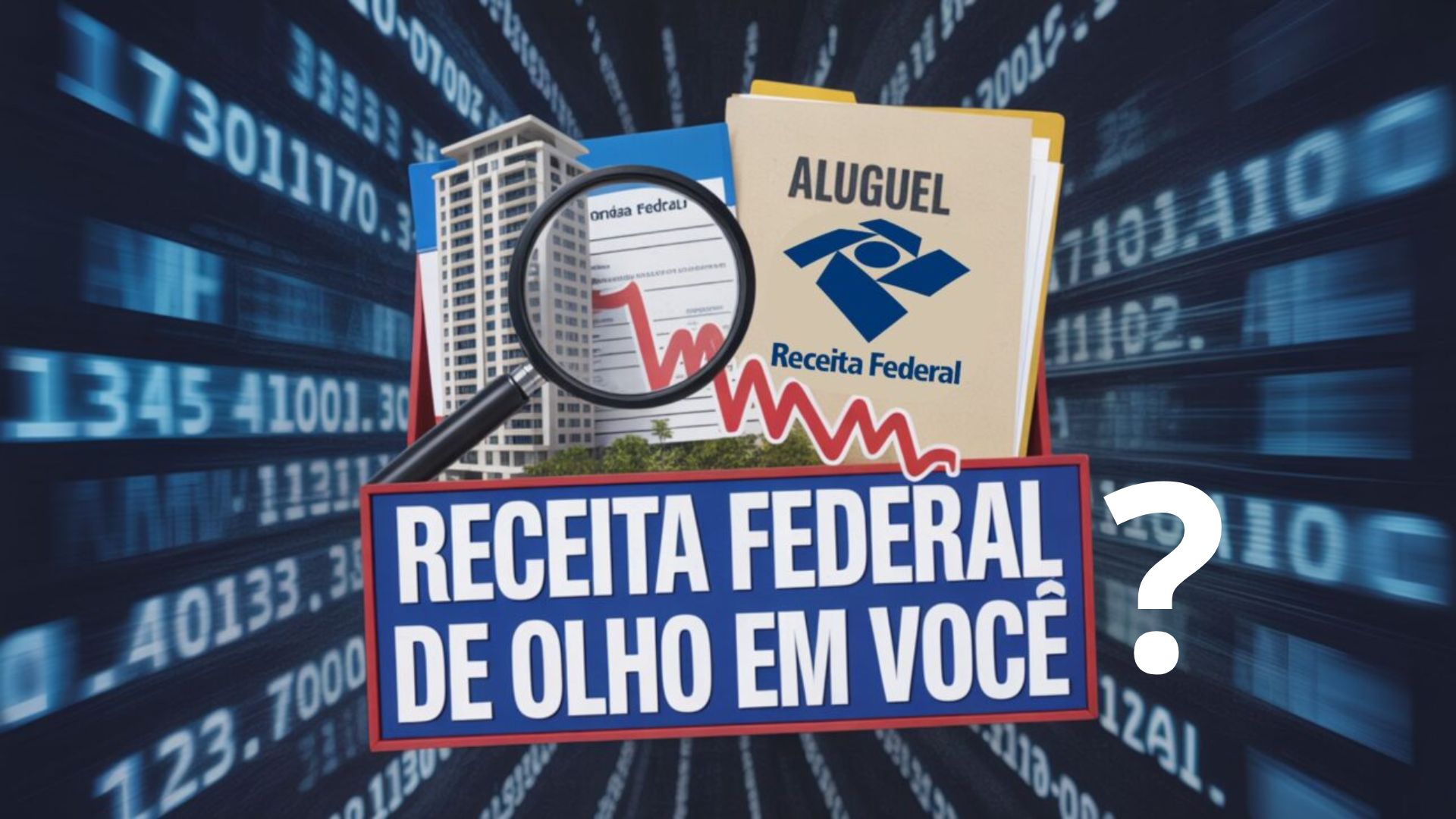
False Message About Brazilian Revenue Service Notifications to Adults Living with Parents Circulated on Social Media and Raised Questions. Government Issued Official Statement to Debunk the Rumor and Warn About the Risks of Disinformation.
The federal government debunked on Monday (22) the circulation of a message that attributed to the Brazilian Revenue Service the creation of a system to notify adults living with their parents or in third-party properties without a formal contract.
In a statement released by the Social Communication Secretariat, the guidance was clear: “this does not exist, nor does it make the slightest sense”.
There is no legal or regulatory provision that requires children or relatives sharing the same residence to present a specific contract to the tax authorities.
-
Survivor of 1966 SS Daniel J. Morrell Shipwreck in Lake Huron Recounts 38-Hour Ordeal in Extreme Cold

-
The Greatest Hoax in World Cup History? The Film That Denied Brazil’s 1958 Victory and Exposed How Fake Evidence Can Seem Convincing on TV
-
Fake South Korean Online Stores Offer Shopping Thrill Without Spending Money or Receiving Products
-
The War of Jenkins’ Ear: How a Severed Ear Sparked One of the 18th Century’s Most Unusual Conflicts


The official communication emphasized that such content exploits tax issues to create insecurity.
According to the government, there is no measure under consideration, rule published, or internal instruction that supports the narrative of automatic monitoring based on housing contracts among family members.
What Motivated the Rumor on Social Media
The false message gained traction by claiming that, starting in 2026, the Revenue Service would initiate a monitoring program using artificial intelligence to identify “housing without a contract.”
The text presented itself as a technical announcement, with mentions of supposed data cross-referencing and defined deadlines, which helped increase its reach on digital platforms.
Within this material, there was a reference to a non-existent “Normative Instruction 2.275/2025”, which would require notifications to adults residing in third-party properties, including with their own parents, without a registered rental contract or declaration of occupancy on the Income Tax.
The construction mimicked the format of official documents, a common resource in disinformation.
What the Revenue Service Actually Does
The Brazilian Revenue Service utilizes information cross-referencing systems for tax enforcement, but such routines are based on existing laws and regulations.
However, they do not involve the creation of specific obligations regarding housing contracts among family members.
According to the government’s statement, there is no rule that authorizes notification of someone just for living with their parents without a formal contract.
Additionally, the enforcement of taxpayers requires legal grounds and objective indications of non-compliance with tax duties.
Shared housing, by itself, does not constitute an infringement.
On the other hand, the already known rules for those declaring rent paid or received remain valid, situations that have nothing to do with family cohabitation at common addresses.
How the Hoax Tried to Seem Real
The rumor resorted to jargon, fictitious deadlines, and citations of entities to give an appearance of credibility.
There were promises of integration among real estate registries, notaries, and municipalities to track uncontracted occupations, with notifications scheduled to begin in 2026.
The piece also suggested impacts on municipal and state taxes, such as IPTU, ITBI, and ITCMD, without indicating regulatory support.
Meanwhile, the strategy included references to agencies and associations, as if there had been prior institutional coordination.
The technique of attaching norm numbers and institutional names is known to complicate quick verification and induce automatic acceptance of false information.
What the Government Statement Says
The official text classified the viral publication as unfounded disinformation.
It was followed by a warning to the public to be suspicious of materials that attempt to provoke fear regarding the actions of the tax authorities.
“Don’t fall for fake news, be wary of those who lie to you without any foundation or apparent reason, other than to cause fear and disinformation,” the communication recorded.
The guidance was to check similar content on official channels and professional press outlets before sharing it.
The recommendation aligns with good verification practices: checking for a real regulation number, date, legitimate issuing agency, and, above all, whether the document is available from an institutional source.
Why This Topic Goes Viral
Tax-related issues often generate concern and, therefore, are frequent targets of disinformation campaigns.
News that promise “new fines,” “AI monitoring,” or “sudden changes in rules” tend to circulate quickly, especially when there is technical language and an atmosphere of urgency.
Still, nationwide changes in tax matters go through formal processes and are published in official gazettes or institutional channels.
There is, therefore, no room for informal announcements in messages that do not indicate a verifiable source.
When they appear, warning signs include the absence of a signing agency, references to non-existent regulation numbers, and deadlines without a legal basis.
How to Identify Deceptive Content About the Tax Authorities
Verification starts with the source.
Official materials are published on the agencies’ portals or in official gazettes, with numbering and dates.
Next, it is worth checking for legal coherence: notifications and fines require a clear regulatory basis.
If the text appeals to vague expressions, mixes competencies from different spheres (federal, state, municipal), and points to generic “integrations” of systems, it is advisable to exercise increased caution.
Finally, promises of diffuse use of artificial intelligence as a justification for unprecedented audits deserve scrutiny.
While data analysis technologies are present in public administration, the use of these tools must respect legal limits and be communicated transparently, something far from currents circulating without authorship.
What Remains Valid Now
The guidance that there is no regulation from the Brazilian Revenue Service that notifies adults just for living with parents or relatives without a rental contract remains unchanged.
Living in a family residence, without a rental relationship, does not create, by itself, an obligation to present a contract to the tax authorities.
If the taxpayer has rental income or declares related expenses, the usual Income Tax rules continue to apply.
In light of new rumors, the recommendation is to consult official channels before sharing.
If the message comes with “regulations” that do not appear in public repositories, with “deadlines” established without formal publication, and with “generic partnerships” between agencies, the likelihood of deception is high.
Have you ever encountered similar content and managed to identify what indicated the forgery?





-

-

2 people reacted to this.