






 Portuguese
  Spanish


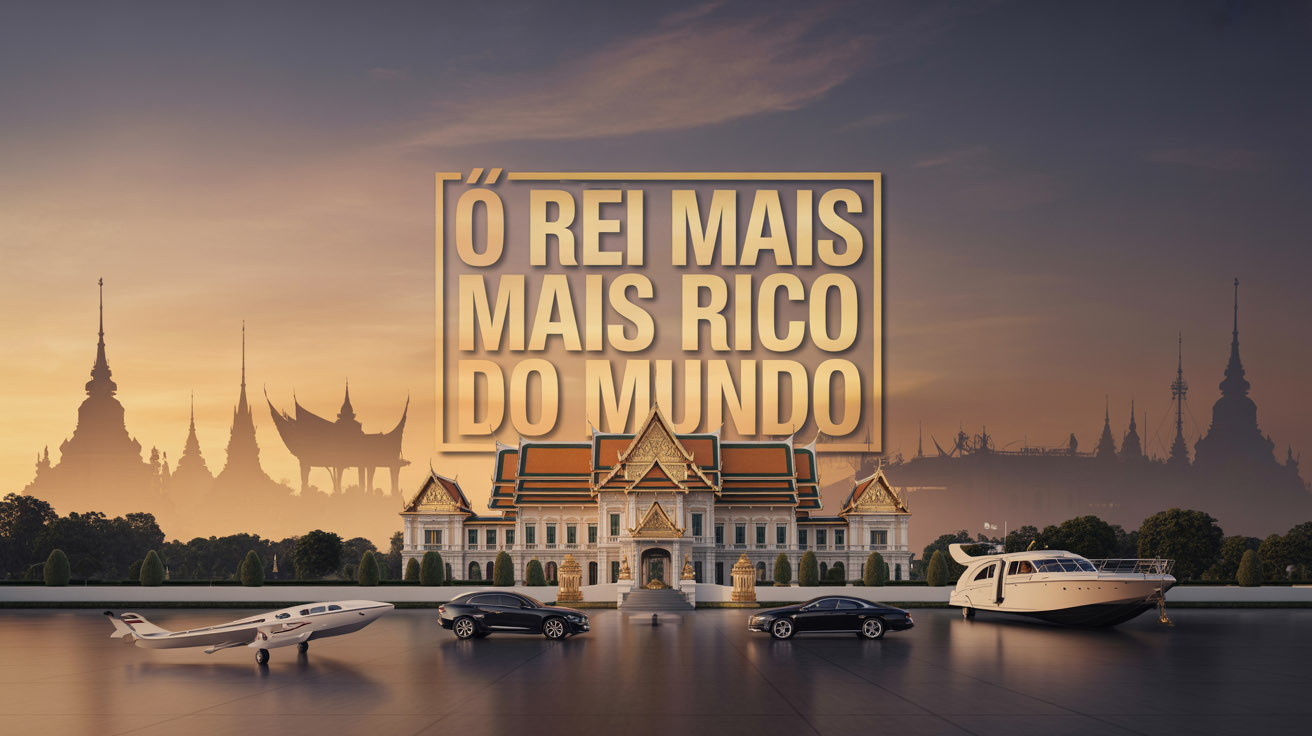


King Maha Vajiralongkorn, known as Rama X, controls real estate, banks, and strategic industries, in addition to showcasing million-dollar collections of airplanes, cars, and boats. His estimated fortune of US$ 43 billion places him at the top among monarchs.
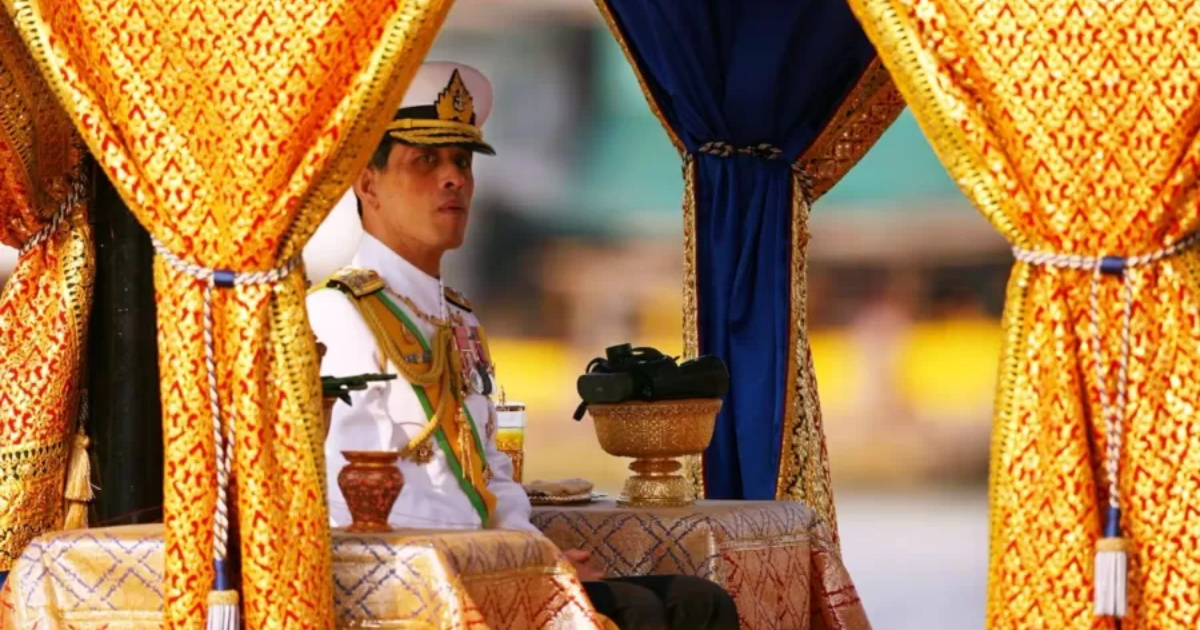
King Maha Vajiralongkorn, Rama X, is pointed out by market estimates as the richest reigning monarch, with a net worth of around US$ 43 billion.
The amount combines historical inheritance and the direct control of Crown assets in Thailand, including extensive real estate holdings and significant stakes in two of the country’s most influential companies, Siam Commercial Bank (SCB) and Siam Cement Group (SCG).
Since 2017, legal and administrative changes have expanded his management capacity over these assets.
-
Seen from space, an astronaut captures in Canada a geometric carpet of crops drawn over the backdrop of a ghost lake that disappeared 12,000 years ago, was once larger than all the Great Lakes combined, and left a scar of fertile mud that still sustains agriculture.

-
Billionaire says the most valuable skill will help overcome job elimination caused by AI, following Bill Gates’ fears

-
A Dutchman created a ‘box’ that makes trees grow in the desert almost without water and without irrigation: the invention has already brought seedlings to dozens of countries and achieves up to 90% survival where common planting did not exceed 10%.

-
Abandoned warehouse hid a giant collection of rare computers, with over 2,000 artifacts from the 1930s to the 1980s.




From Inheritance to Direct Control of Assets
Upon ascending the throne in 2016, following the death of Bhumibol Adulyadej, Rama X inherited the prestige and assets associated with the monarchy.
The following year, the Crown Property Act was amended to place the Crown Property Bureau (CPB) under his command, replacing rules that had been in place since 1936.
In 2018, the agency itself confirmed that the assets previously registered in the name of the CPB would now be held “in the name of His Majesty,” subject to taxes like any citizen, a milestone that redefined the ownership structure.
Strategic Stakes in Banks and Industry
The king’s economic power is also measured by his equity positions.
In the industrial conglomerate SCG, Rama X is the largest individual shareholder, with 33.64% of the common shares.
In the financial group SCB X (holding of Siam Commercial Bank), he holds 23.58% of the capital.
These stakes ensure influence and a flow of dividends in central companies of the Thai economy.
Real Estate: What the “17 Thousand Houses” Mean
The figure of 17 thousand often appears associated with the king’s “houses” in Bangkok.
In practice, these are lease agreements managed by the CPB in the capital, within a universe of about 40 thousand contracts nationwide — and not personal residences of Vajiralongkorn.
Older estimates have already valued CPB lands in Bangkok at tens of billions of dollars.
This data helps to illustrate why the real estate portfolio is one of the pillars of royal wealth.
Airplanes, Cars, and Boats: What Is Verified and What Is Claimed
The numbers circulating about the air fleet — 38 aircraft — derive from public claims made by opposition and activists in 2020.
These reports mention airplanes and helicopters “at the disposal of the royal family”; there is no official confirmation detailing the composition, nor that they are merely “private jets”.
As for the more than 300 luxury cars, the volume is repeated by entertainment and lifestyle outlets, without public documentation allowing for independent auditing.
Therefore, experts treat these amounts as estimates cited by the press, not as numbers verified by financial statements or official records.
The set of 52 vessels is related to the Royal Barge Procession, a centuries-old ceremony of high cultural value.
The barges are preserved by state agencies, such as the Royal Thai Navy and the Department of Fine Arts, and part of the fleet is housed in the Royal Barges National Museum in Bangkok.
This is ceremonial heritage of the nation, not the monarch’s private “yacht”.
An Asset That Is Also an Instrument of Power
In addition to physical wealth, the centralization of management has strengthened the monarchy’s role in major economic decisions.
The noble areas of Bangkok house urban redevelopment projects and high-end enterprises with long-term contracts established on CPB lands.
This keeps the Crown as a relevant interlocutor with national conglomerates and investors.
The simultaneous presence in finance and industry, via SCB and SCG, extends the reach of this influence beyond the real estate market.
Transparency in Debate and Social Pressure
The issue took on political contours in 2020, when large-scale protests demanded reforms and questioned the level of transparency in the administration of royal assets.
Demonstrations in Bangkok included criticisms of direct control over the assets and calls for accountability.
The debate remains sensitive, and recent judicial episodes involving the lese-majesty law show how the discussion about the monarchy remains at the center of Thai public life.





E muito dinheiro pra uma pessoa ,sendo que tem tanta gente sem nada..