






 Portuguese
  Spanish
  3 min of reading
  26 comments



Even With The Growing Presence Of Chinese Automakers, The Most Affordable Electric Car In The Country Comes From France!
The arrival of Chinese automakers in Brazil has revolutionized the automotive market, bringing a range of electrified vehicles that have expanded options for consumers. This movement has not only increased the variety of electric and hybrid cars available but has also raised competitiveness in the electric vehicle (EV) sector. As a result, prices have started to fall, making these vehicles more attractive to the Brazilian public.
Despite the expectation that a Chinese model would be the cheapest, the title of most affordable electric car in Brazil belongs to a French brand. If you are considering entering the world of EVs without spending a fortune, the Renault Kwid E-Tech is the ideal choice, offering excellent value for money, according to newsmotor.
The Revolution Of Kwid E-Tech
The Renault Kwid E-Tech, the 100% electric vehicle with the lowest price in the country, is available starting at R$ 99.990 in the solid color version. Initially launched for R$ 142.990, the price was reduced in February this year in response to the launch of the Chinese competitor BYD Dolphin Mini.
-
Uber Faces Shareholder Scrutiny as Board Accused of Ignoring Safety, Compliance, and Harassment Warnings Amid Over 3,500 U.S. Lawsuits

-
Ferrari’s First Electric Car Divides Fans, Priced at $630,000, Amid Concerns Over Limited Editions; Brand Clarifies It’s Not Just for Future Perks
-
BYD Dolphin Mini: The Electric Car That Defies Depreciation, Losing Only 3.58% in a Year and Becoming the Best-Selling Retail Model Under $22,000

-
Electric Car JAC E-JS4 Loses $19,000 in Value in One Year, Leading Record Depreciation of Used Cars in Brazil Due to Expensive Battery and New Models


Interestingly, many analysts expected BYD to launch the Dolphin Mini for less than R$ 100,000 to compete directly with the Kwid E-Tech. However, BYD opted for a different strategy, selling the model for R$ 115,000. This opened up space for the Kwid to establish itself as the most economical option among electric vehicles.
Performance And Efficiency Of Kwid E-Tech
Equipped with a unique 65 hp motor and 11.5 kgfm of torque, the Renault Kwid E-Tech offers a top speed of 130 km/h and accelerates from 0 to 50 km/h in just 4.1 seconds. Its 26.7 kWh battery guarantees a range of 185 km, according to Inmetro standards, and can be recharged from 20% to 80% in about 40 minutes using a 30 kWh charger.
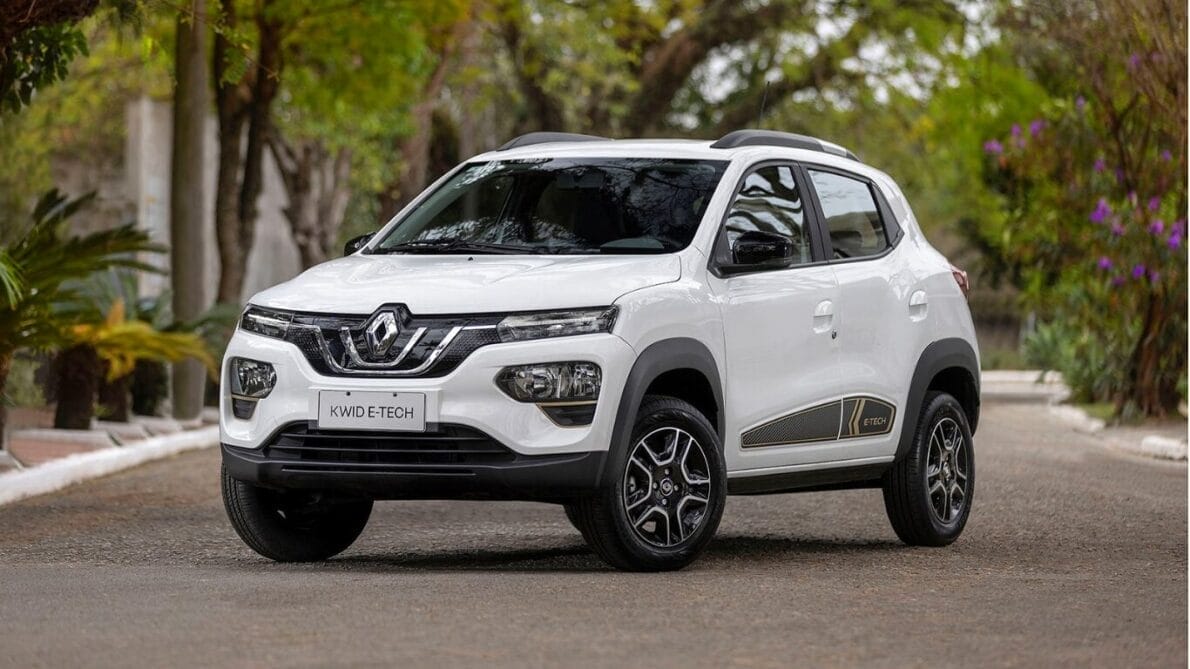
Although its range is shorter compared to competitors like the Dolphin Mini, which has a range of up to 280 km, the Kwid E-Tech compensates with other attractions.
Comfort And Safety
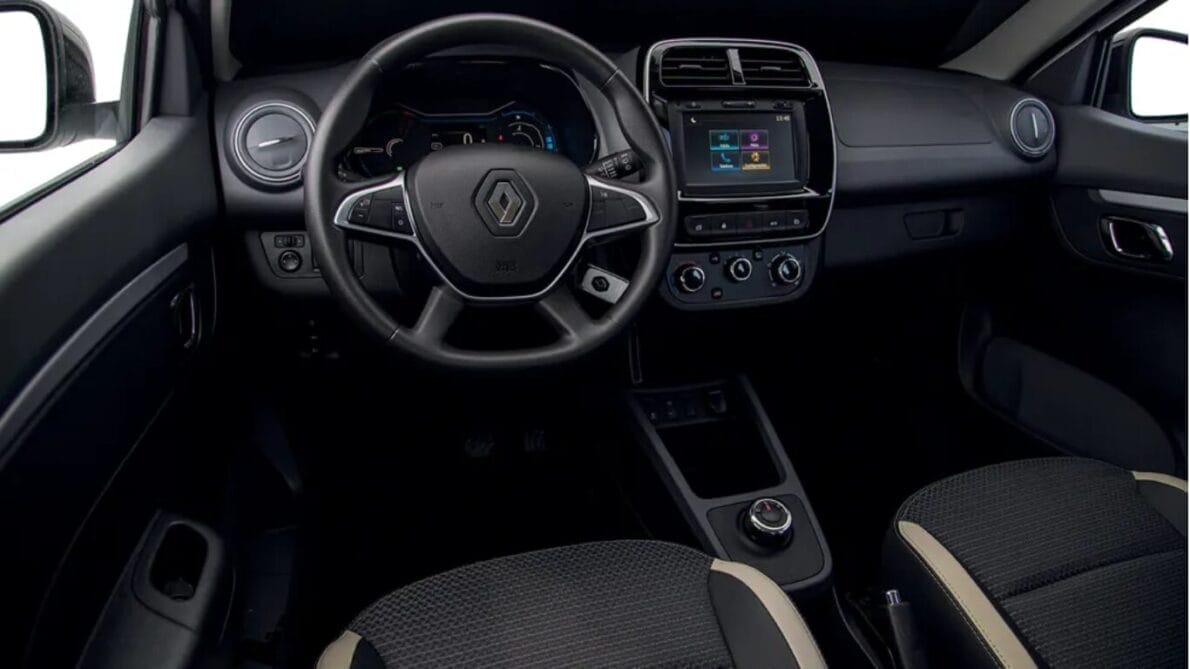
In addition to being an economical and efficient vehicle, the Kwid E-Tech also does not disappoint in terms of safety and comfort. The model comes factory-equipped with six airbags, a 7-inch multimedia center compatible with Apple CarPlay and Android Auto wirelessly, tire pressure sensors, and a rear parking sensor. Additionally, it offers stability control, ABS brakes, sound alert for pedestrian detection, and hill start assist.
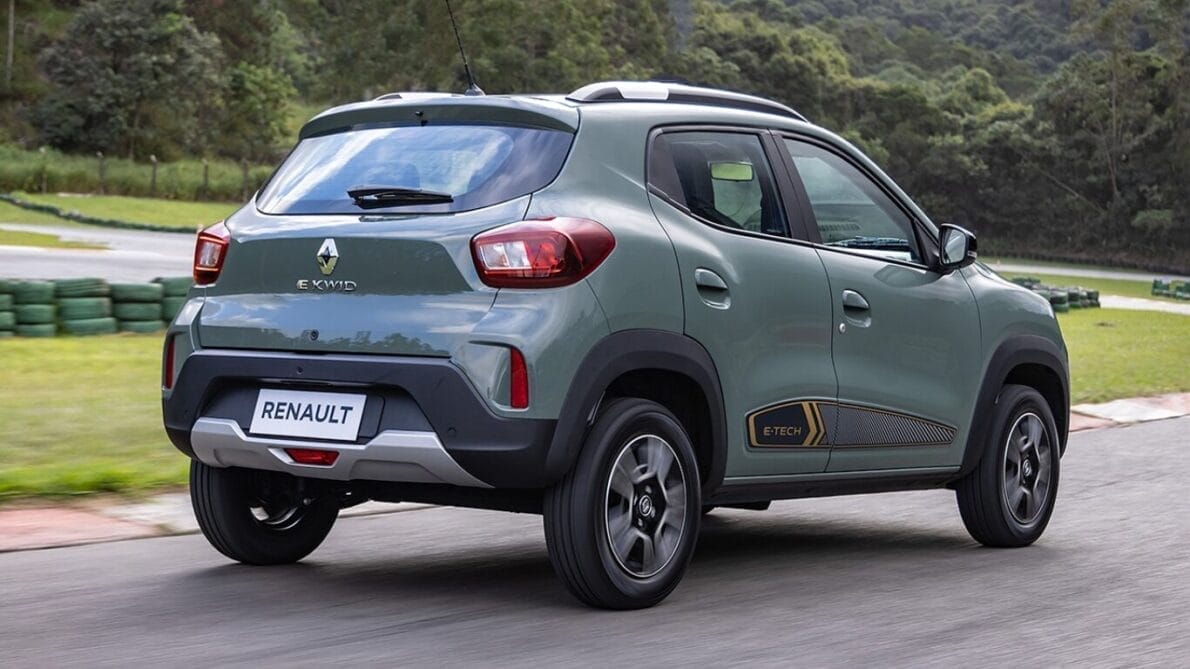
For those who enjoy customization, the Kwid E-Tech is available in various colors. In addition to Polar White, you can opt for Diamond Silver and Noronha Green, although these options add R$ 1,500 and R$ 3,000 to the price, respectively.
TECHNICAL SPECIFICATIONS OF THE RENAULT KWID E-TECH:
| Specification | Details |
| Model | Renault Kwid E-Tech |
| Starting Price | R$ 99.990 |
| Motor | 65 hp Electric |
| Torque | 11.5 kgfm |
| Top Speed | 130 km/h |
| Acceleration (0-50 km/h) | 4.1 seconds |
| Battery Capacity | 26.7 kWh |
| Range (Inmetro Standard) | 185 km |
| Charging Time (20% to 80%) | 40 minutes (on a 30 kWh charger) |
| Number of Airbags | 6 |
| Multimedia Center | 7 inches, compatible with Apple CarPlay and Android Auto wirelessly |
| Sensors | Tire pressure, rear parking |
| Stability Control | Yes |
| ABS Brakes | Yes |
| Sound Alert for Pedestrian Detection | Yes |
| Hill Start Assist | Yes |
| Available Colors | Polar White, Diamond Silver (+R$ 1,500), Noronha Green (+R$ 3,000) |
| Price of Diamond Silver Version | R$ 101.490 |
| Price of Noronha Green Version | R$ 102.990 |
Why Choose The Kwid E-Tech?
If you want to enter the world of electric vehicles with a model that combines economy, efficiency, and safety, the Renault Kwid E-Tech is the ideal choice. With a competitive price and a range of advanced features, this French electric car stands out amid a growing supply of EVs in the Brazilian market. Therefore, if you are thinking of making a sustainable and economical change, the Kwid E-Tech is undoubtedly an excellent option.
This revolution in the electric vehicle market, driven by the competitiveness of automakers, demonstrates that it is possible to adopt an eco-friendly and efficient solution without spending a fortune. So, why not give the Kwid E-Tech a chance and start your journey toward a greener future?





Nem pra tentar esconder que tá paga essa reportagem.
Se for comparar com um Caoa Chery iCar, que está saindo por R$79.900,00 (já emplacado com IPVA 2024 pago), você não compra um e-Kwid nem a ****. O iCar vem com teto panorâmico, carregador por indução, ajuste elétrico dos bancos, sensor crepuscular, ajuste de altura da direção, maior bateria / autonomia (30,8kWh / 197km), central multimídia com tela de 10,25″, Freio de estacionamento eletrônico, auto hold, assistente de rampa, chave presencial etc. Só perde mesmo nas 2 portas e no porta malas menor.
O BYD é mais completo e melhor, Kwid tem que baixar mais para valer a pena, basta ver os números de vendas.