






 Portuguese
  Spanish


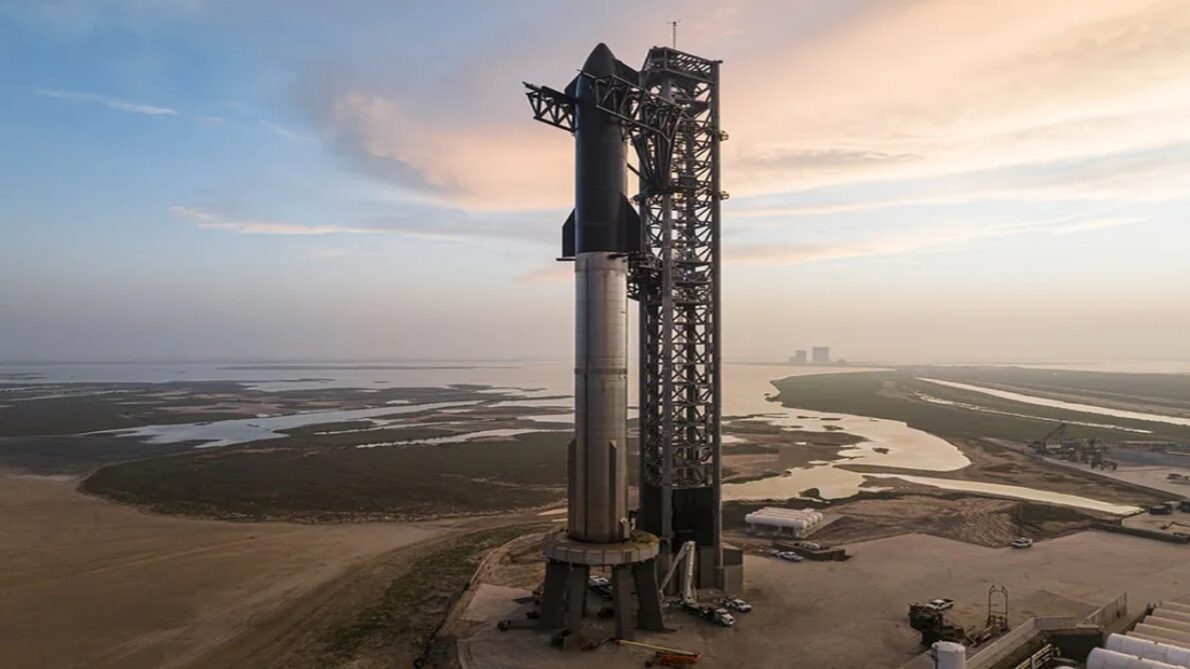

The Connection Between Brazil and the Future of Interplanetary Exploration: What Does WEG Have to Do with One of the Greatest Milestones in Space Exploration Achieved This Week by SpaceX, Billionaire Elon Musk’s Company?
What does the Brazilian multinational WEG have to do with one of the greatest milestones in space exploration? Much more than you might imagine! WEG is behind the success of the launch of Starship, the largest rocket ever built by Elon Musk, which promises to revolutionize the future of space travel.
While Musk plans to take humans to Mars, WEG indirectly provides essential engines for the project, placing Brazil at the center of aerospace innovations. Discover how this collaboration could transform the landscape of space exploration and the electric motor industry worldwide!
How the Brazilian Multinational WEG, One of the World’s Largest Electric Motor Manufacturers, Got Involved in Elon Musk’s Project
SpaceX, led by Elon Musk, continues to push the boundaries of space exploration. In 2023, the company began construction of its own air separation unit to meet the high demand for oxygen, essential for the fuel of its rockets.
-
Eufy Unveils Omni S2: Advanced Robot Vacuum with 30,000 Pa Suction, Self-Cleaning Mop, AI Obstacle Avoidance, 12-in-1 Station, and Built-In Fragrance Dispenser

-
Swiss Glaciers Lose 10% of Volume in Two Years as Europe’s Largest “Water Tower” Dries Up; Scientists Use “Smart Stones” in the Alps to Gauge Remaining Water Supply for 170 Million People
-
Australia plans massive artificial reef project to protect Gold Coast and save storm-battered beaches from erosion

-
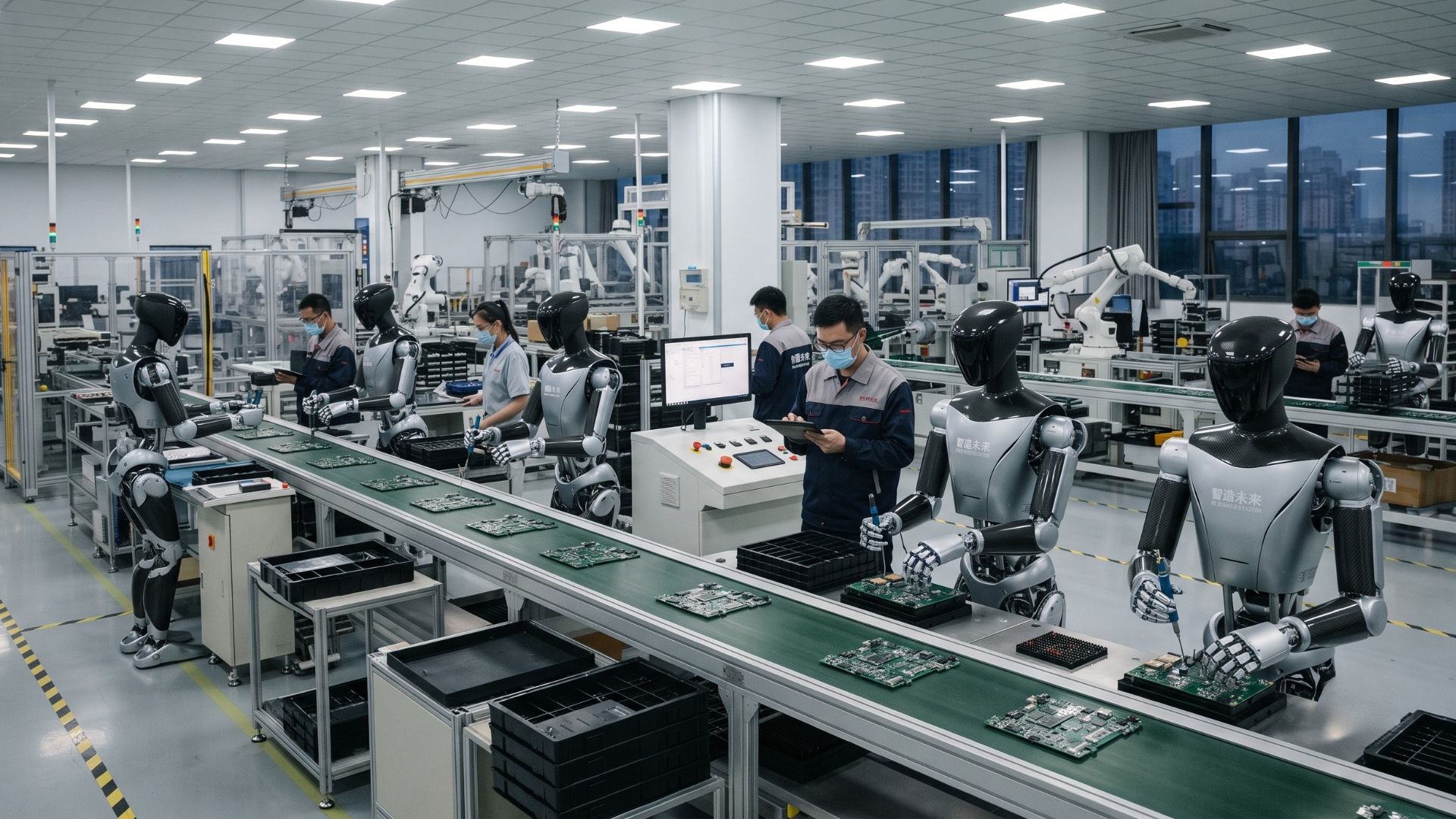
Humanoid Robots Begin Replacing Workers in Repetitive Roles as Companies Accelerate Industrial Automation

This ambitious project involved partnering with Atlas Copco Gas and Process, a global giant in air compressor supply. To ensure the success of this mission, Atlas chose WEG, a Brazilian company based in Jaraguá do Sul, to supply the electric motors responsible for powering the air separation units. This collaboration highlights WEG’s vital role in Musk’s space project.
WEG Produced These Motors at Its Factory in India
The motors supplied by WEG are from the MGP line, with impressive specifications: 12.8 MW, 13.8 kV, and four poles. In addition, these medium voltage motors are designed to NEMA standards, a benchmark of quality in the industry. With the responsibility of driving compressors on offshore platforms, these motors will play a crucial role in the production of the oxygen needed for the rockets.
These platforms, located several miles apart from each other, are strategically positioned to optimize the air separation process. WEG produced these motors in its factory in India, which allowed for quicker delivery, competitive costs, and maintenance of the first-class quality the company is globally known for.
The secrecy surrounding the project did not prevent the rapid spread of information on the web. Although WEG has released some preliminary information, the company declined to comment officially when approached. This discreet attitude is common in projects involving companies of SpaceX’s stature.
WEG May Further Expand Its Role in Elon Musk’s Ambitious Plans
There is great anticipation that WEG could further expand its role in Elon Musk’s ambitious plans. The excellence of the motors supplied so far demonstrates that the Brazilian multinational is prepared to meet the growing demands of SpaceX in future space missions.
Who knows, besides motors, WEG could become a key supplier of other crucial components, contributing even more to the bold projects of Mars colonization and other revolutionary initiatives in space exploration.


Starship: The Rocket That Went in Reverse? The Flight of the Powerful Aircraft That Impressed the World
SpaceX reached another milestone: the second complete flight of the Starship, the largest rocket ever built. On Sunday, September 13, the rocket was launched, marking an important advance for space exploration. The mission was divided into two phases.
In the first, the Starship flew for over an hour, landing on a platform in the Indian Ocean. The second phase involved the return of the 71-meter tall booster, which came back in reverse and was captured mid-air by mechanical arms, showcasing how advanced Elon Musk’s engineering really is.
This technological feat, known as the “rocket that goes in reverse,” was made possible through the use of giant metal claws dubbed “hashis,” which grab the booster after its separation from the Starship. This process is part of Elon Musk’s plan to reuse rocket parts, saving millions on each launch.
The Average Cost of a Rocket Is About US$ 2 Billion
Currently, the average cost of a rocket is about US$ 2 billion, making space exploration unfeasible without the reuse of parts. Therefore, the efficient reuse of components, such as electric motors and boosters, is a game changer. SpaceX believes that its rockets can reduce costs by up to 30 times.
Since 2015, Musk has been investing in reusable rocket technologies, such as the “reverse” systems, which are revolutionary in the web and aerospace engineering. He firmly believes that the future of space exploration depends on these innovations.
On the Way to Mars: Musk and the Plan to Colonize the Red Planet
With the development of Starship, Elon Musk already has bold plans for the next decade. He predicts that by 2026, SpaceX will be transporting astronauts to the Moon as part of NASA’s Artemis III project, intending to use the same technologies to reach Mars.
The evolution of Starship, from small tests to complex launches, demonstrates SpaceX’s ability to learn from each flight. For example, the Falcon 9, one of the first rockets that “went in reverse,” underwent several adaptations after initial problems. SpaceX was able to refine the design and ensure that astronauts stranded in space were successfully rescued.
Another advancement is “Mechazilla,” a launch tower designed to quickly capture and reposition rockets. Elon Musk’s expectation is that, over time, SpaceX can relaunch a rocket just 30 minutes after landing. However, technical challenges still exist, such as the thermal protection needed for the spacecraft during re-entry into Earth’s atmosphere.
Starship Is Also Crucial for NASA’s Plans to Return to the Moon
Starship is also crucial for NASA’s plans to return to the Moon. The collaboration between the two companies is essential, and any delay in the development of Starship could impact the timeline of the Artemis mission. Still, SpaceX continues to innovate, facing new challenges such as in-orbit refueling, a vital step for future deep space missions.
Elon Musk remains optimistic, envisioning crewed missions to Mars within four years, making electric motors and reusable rockets a fundamental part of that future. The web has been an important means of disseminating this information, creating a global environment of anticipation for SpaceX’s next steps.




Bom seria que os aviões tivessem essa técnica de decolar e aterrissar sem precisar correr. Creio que é possível e evita acidentes e promover a segurança da embarcação e passageiros.
Escapar da terra pra outro planeta ainda é uma utopia. Não estamos prontos pra isso, não evoluímos, apenas cobiçamos riquezas e territórios. Não conseguimos nem cuidar deste planeta, exaurindo tudo, num outro vão ser colonos invasores.
Um visionário com dinheiro para financiar equipes que desenvolvam ideias, comprar empresas que já estão funcionando bem, isso é excelente. Mas promover golpes(Bolívia, Brasil, países africanos) pra conseguir matéria prima barata é o maucaratismo típico de gringo que se acha dono de tudo, hegemônico.
Mas ele vai acordar logo mais.
Quando o Musk começou a se envolver com o Bostil, o sistema já tinha aplicado o golpe da soltura do descondenado.
Que orgulho de ter a weg como conterrânea