Portuguese
  Spanish


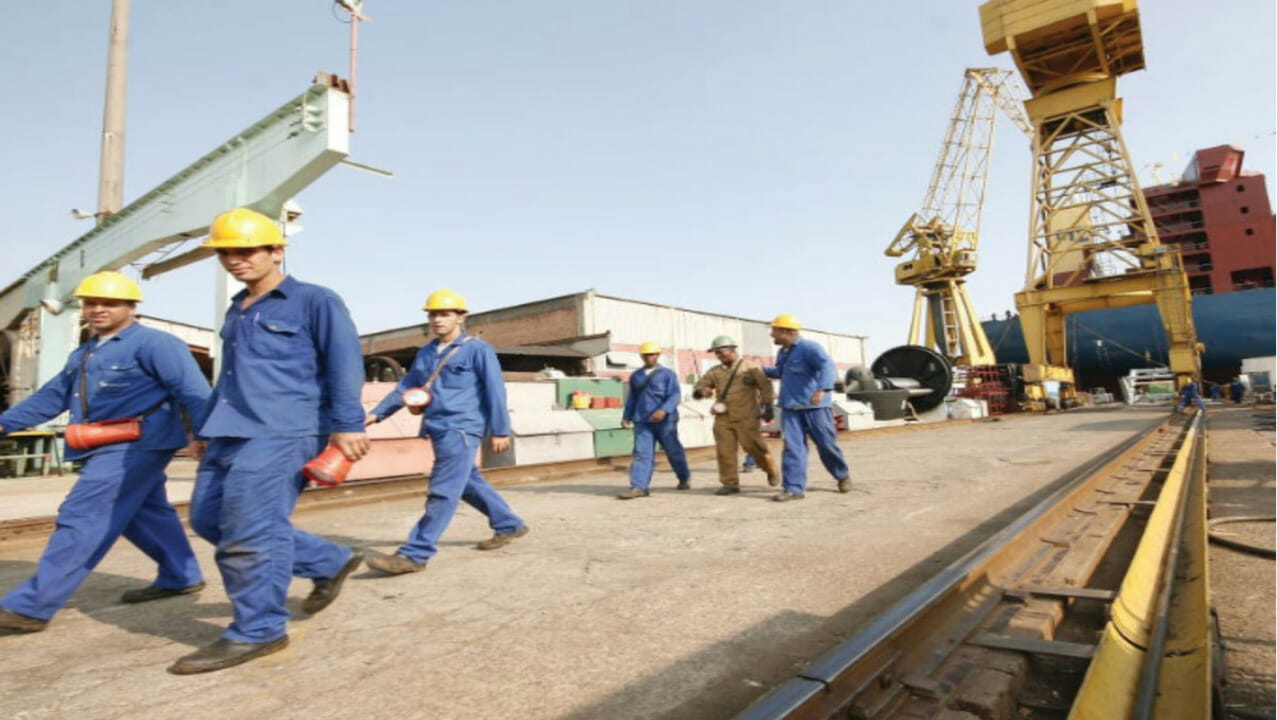

Petrobras and the Decommissioning of 26 Oil Platforms: The Growth Acceleration Program (PAC 3) Promises to Inject Initially R$ 9.8 Billion into Brazil’s Shipbuilding Industry.
The shipbuilding industry in Brazil is about to undergo a revolution that promises to inject billions of reais into the economy and generate thousands of jobs. The program for decommissioning outdated oil platforms by Petrobras, announced earlier this year as part of the Growth Acceleration Program (PAC 3), promises to transform the landscape of Brazilian shipyards.
Check out the details of the Brazilian state-owned company’s program and the impact it will have on shipbuilding, oil production, and how it may shape the future of the sector.
Billion-Dollar Investment Opens Doors for the Revitalization of Shipyards, Such as the Atlântico Sul Heavy Industry Solutions Shipyard (EAS) in Pernambuco.
The Petrobras decommissioning program is a response to the challenges facing the oil and gas industry, aiming to retire 26 outdated platforms between 2023 and 2027. This initiative, which is part of the Growth Acceleration Program (PAC 3), promises to inject initially R$ 9.8 billion into Brazil’s shipbuilding industry.
-
They exchanged the idea of a large house for a 35 m² warehouse, spent US$ 12,000 on the structure, and created a tiny house in Colorado with space to live and work.

-
While modern cities rely on pumps and electricity, in Iran, ancient tunnels carried water through the desert using only slope and gravity.
-
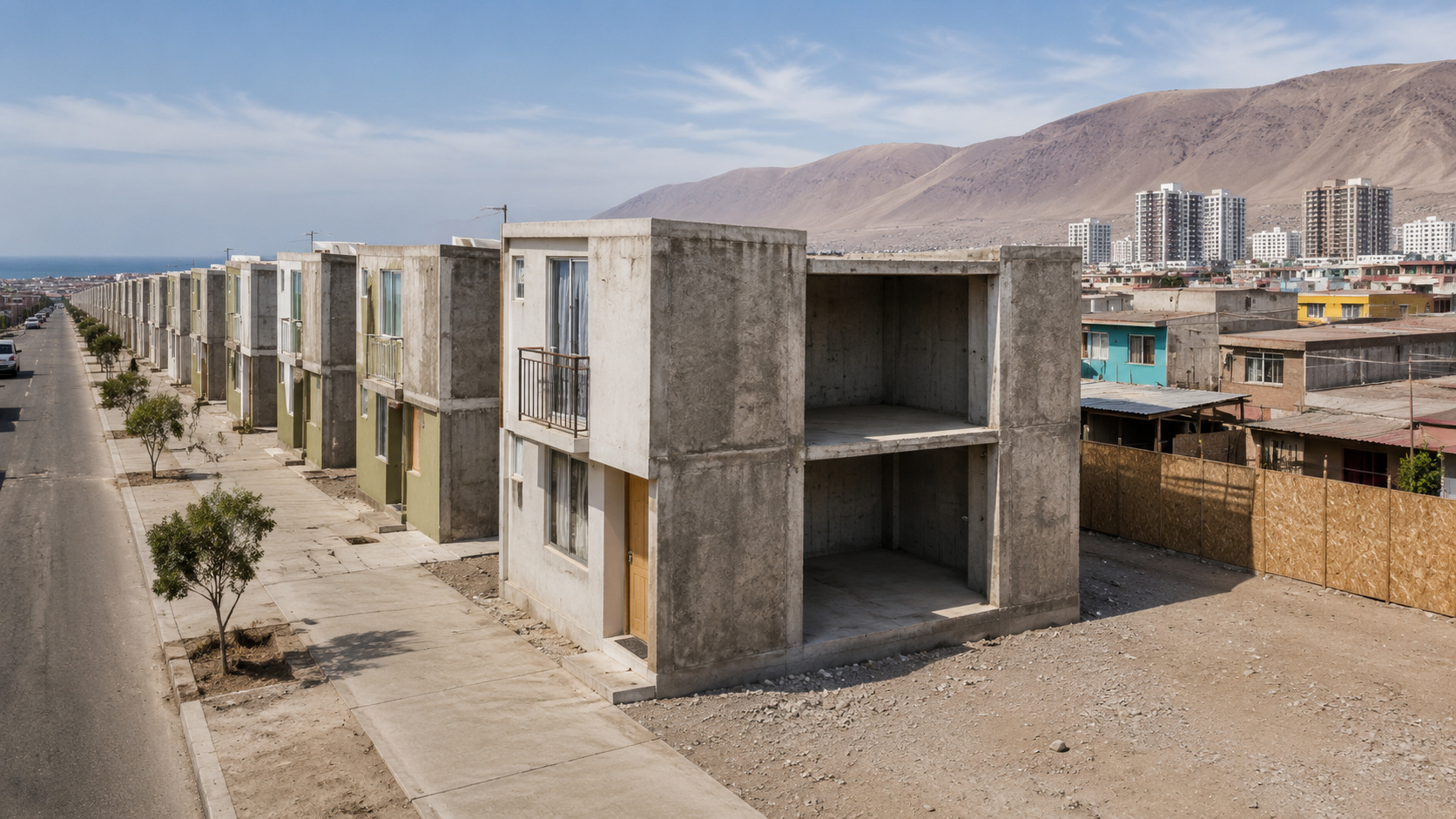
Instead of sending families far from the city, a project in Chile intentionally created incomplete houses on expensive urban land and left technical space for each to grow.
-
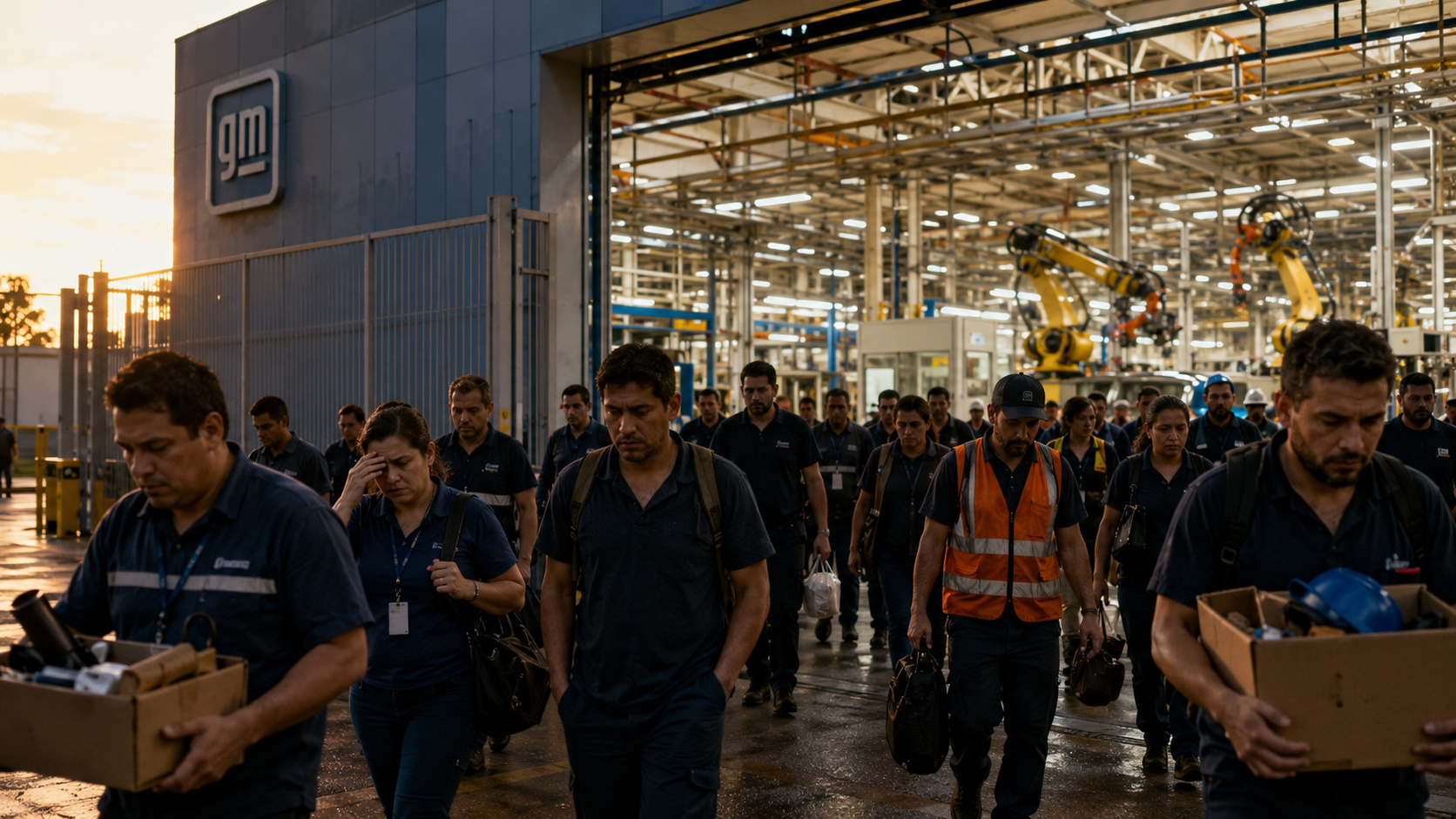
General Motors Replaces Over a Thousand Workers with 50 Cobots at Electric Vehicle Plant, UAW Union Criticizes Move Amid Industry’s Automation Push

Although the current figures of the program are impressive, the potential is even greater. The National Agency of Petroleum (ANP) estimates that decommissioning could generate up to R$ 51 billion in Brazil by 2026, considering other companies in the oil and gas sector and onshore production units. This scenario opens doors for the revitalization of shipyards, such as the Atlântico Sul Heavy Industry Solutions (EAS) shipyard in Pernambuco.
Located in Suape, the EAS already has experience in building platforms and subsea, serving the offshore oil industry. With its entry into the decommissioning market, EAS demonstrates a strategy of business diversification, adapting to the challenges faced by the Brazilian shipbuilding industry.
Decommissioning Promises to Create Jobs and Boost the Economy, Mitigating the Impacts of Periods Without Construction Contracts
The decommissioning of platforms offers a new business opportunity for Brazilian shipyards. For many of them, this activity can be seen as a source of supplemental revenue during periods of idleness. Furthermore, engaging companies in decommissioning can create jobs and boost the economy, mitigating the impacts of periods without construction contracts.
In addition to the economic benefits, Petrobras’s decommissioning program reinforces its commitment to sustainability and environmental responsibility. The company plans to allocate 650,000 tons of steel for recycling by 2027, contributing to a circular economy and minimizing environmental impacts.
This is an exciting time for the Brazilian shipbuilding industry, with the prospect of transformation and growth. The decommissioning of oil platforms is a unique opportunity to revitalize shipyards, generate jobs, and contribute to the circular economy. As Petrobras and other companies in the sector advance in this program, Brazil is positioned to stand out in shipbuilding and oil production in the coming years. The revolution in shipyards is just beginning, and the country is ready to reap the rewards of this strategic investment.