






 Portuguese
  Spanish
 2 min of reading
  0 comments


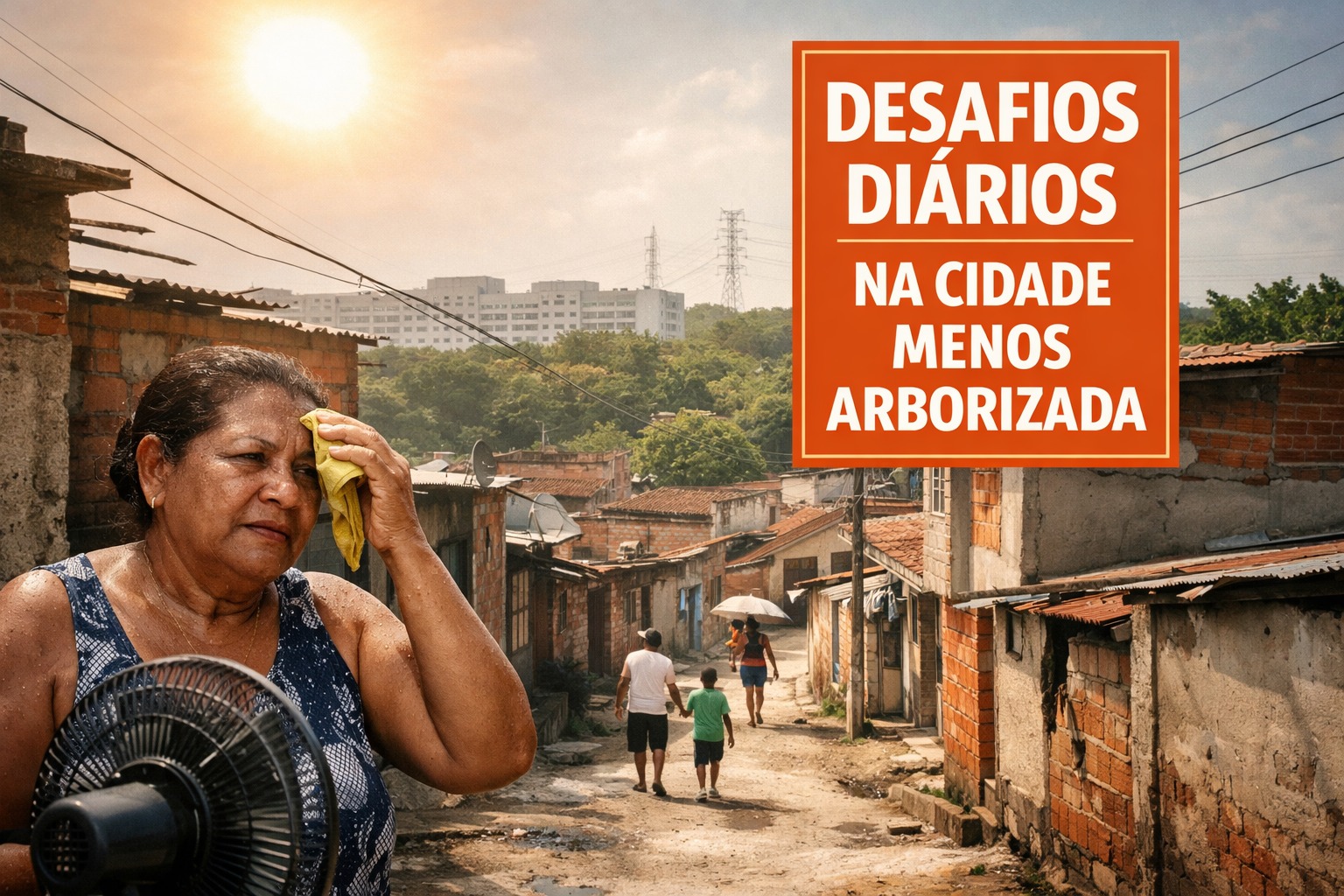
IBGE Survey Indicates Pantanal I as the Least Treed Area of Greater Recife, Explaining Elevated Thermal Sensation, Health Impacts, and Altered Routine of About 400 Local Urban Families
Residents of Pantanal I, in Greater Recife, are facing intense heat this summer due to the lack of trees, according to a survey by the Brazilian Institute of Geography and Statistics, a situation that affects around 400 families and increases health risks.
Least Treed City in Greater Recife
The community has been identified as the least treed in the metropolitan area, a result that helps explain the elevated thermal sensation reported daily.
A report from Diário de Pernambuco spoke with residents to understand adaptations forced by the lack of shade, especially during the hottest hours of the day.
-
Survivor of 1966 SS Daniel J. Morrell Shipwreck in Lake Huron Recounts 38-Hour Ordeal in Extreme Cold

-
The Greatest Hoax in World Cup History? The Film That Denied Brazil’s 1958 Victory and Exposed How Fake Evidence Can Seem Convincing on TV
-
Fake South Korean Online Stores Offer Shopping Thrill Without Spending Money or Receiving Products
-
The War of Jenkins’ Ear: How a Severed Ear Sparked One of the 18th Century’s Most Unusual Conflicts


Cleaning assistant Sofia Alves da Silva, 62, described changes in her routine, with frequent baths and an insufficient fan to relieve the heat.
According to her account, the fear of a heart attack accompanies the persistent heat, making everyday life more tiring and limiting simple outdoor activities.

Origin of the Community and Lack of Trees
About 400 families live in Pantanal I, formed around the General Hospital of Mirueira, an institution founded in 1941 and a local reference.
During the investigation, only one tree was identified, located at the hospital, whose long roots have caused cracks in neighboring houses for years.
Sofia’s house is among those affected, a situation that highlights the absence of green planning and its immediate side effects.
Importance of Trees for Thermal Comfort
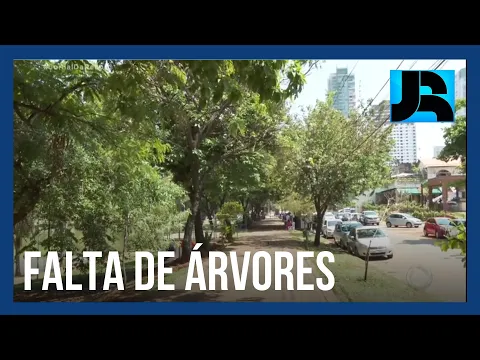
In urban environments, the National Confederation of Municipalities highlights that trees reduce temperatures, create microclimates, and improve quality of life.
The shading of the canopies influences the temperature under the canopy, increasing thermal comfort, air humidity, and mitigating heat waves.
While solutions do not arrive, residents continue to improvise strategies to get through the summer, a scenario that reinforces environmental inequalities within the same city.
With information from Diário do Comércio.





-

1 person reacted to this.