Portuguese
  Spanish


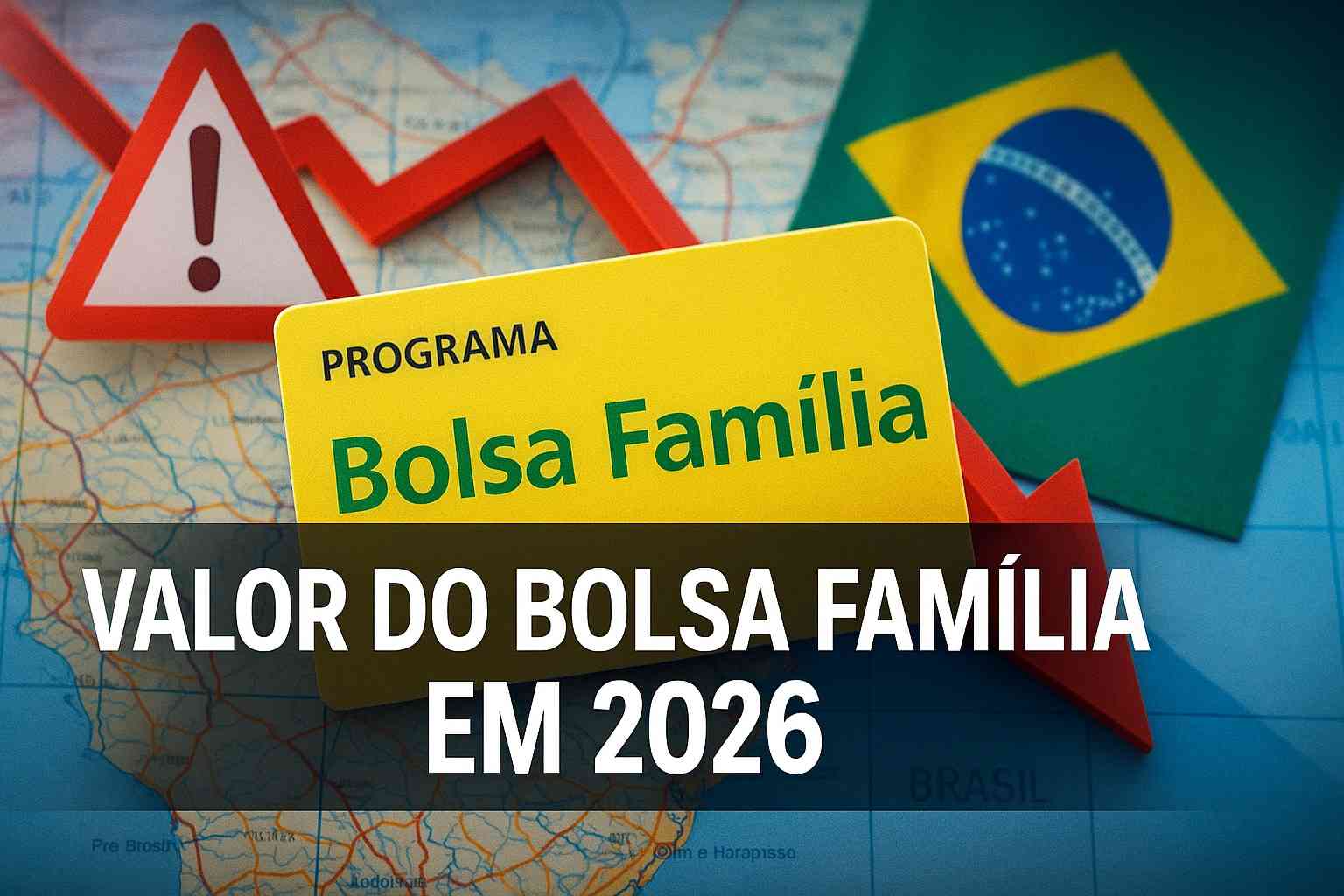


The Bolsa Família Continues to Be One of the Main Social Programs in the Country. However, the Proposed Budget for 2026 Brought Cuts and No Provision for Readjustment, Raising Discussions About the Impact on Millions of Brazilian Families.
The federal government announced on Friday (29) the proposed budget for 2026. The text allocates R$ 158.6 billion for the Bolsa Família in the upcoming election year.
The amount represents a reduction of R$ 8.6 billion compared to the R$ 167.2 billion presented in the 2024 proposal.
According to the economic team, there will be no adjustment in the program’s benefits. Since March 2023, when the government relaunched the Bolsa Família, the amounts paid have not undergone correction. The Federal Budget Secretary, Clayton Montes, emphasized that the proposal ensures full execution, but without expansion. “The average benefit will be maintained at R$ 671,” he said.
-
Brazil to Issue “Panda Bonds” in China, Aiming to Raise Up to 5 Billion Yuan at Lower Interest Rates Than Dollar Debt
-
NATO Faces Internal Tensions as U.S. Pushes for Increased Defense Spending, Targeting 5% of GDP by 2035, with Warnings for Countries Near 2% Level

-
Brazil to Introduce B16 Diesel with Increased Soybean Oil Content for Trucks by 2026
-
Brazil’s July Bolsa Família Payments May Include Extra $150 and $50 for Families with Children, Pregnant Women, and Updated CadÚnico Registration


Access Rules and Combating Fraud
In March of this year, President Luiz Inácio Lula da Silva signed a decree changing the rules of the Bolsa Família. The objective was to curb fraud and reinforce access criteria, focusing on families made up of only one person. To receive the benefit, the income per member must be up to R$ 218. In addition, all members must be registered in the updated Unified Registry.
The government paid the benefit to 19.2 million families in August. The previous year, the budget proposal considered 20.9 million families in poverty.
Amounts and Additions
The minimum amount paid is R$ 600.00 per family. In addition, there are cumulative supplements, such as R$ 150.00 for children up to six years old, R$ 50.00 for pregnant women, and young people aged 7 to 18 years old and babies up to six months.
Therefore, despite the reduction in the budget and the absence of adjustments, the government claims that the program will continue to benefit current recipients. The maintenance of average amounts reflects the strategy to keep costs down in an election year, without allowing for increases.