






 Portuguese
  Spanish




World Bank Alert Points to Strong Slowdown in Job Creation After Middle East War, with Impacts on Global Income, Increasing Inequality, and Rising Risk of Global Economic Crisis.
The World Bank has raised a global alarm by indicating that the world may face a deep economic crisis driven by a scarcity of jobs, even after the end of the war in the Middle East. According to an article from G1, the concern goes beyond current conflicts and points to a structural problem that is already underway.
According to the institution’s president, Ajay Banga, about 1.2 billion people are expected to reach working age in the next 10 to 15 years, especially in developing countries. However, the projection is that only 400 million jobs will be created during this period, resulting in a deficit of approximately 800 million positions.
This scenario highlights a worrying imbalance between supply and demand in the global labor market. Even with the possible stabilization of the war in the Middle East, the job crisis is likely to intensify, increasing the risks of a large-scale economic crisis.
-
Brazil’s 2026 Tax Refund: Record 9.58 Million Filers in Largest Payout Ever, But a Key Detail on Priority Recipients Draws Nationwide Attention

-
Itaú Alters Hybrid Work Model, Increasing Office Days from 2028, Prompting Employees to Adjust to New Routine
-
Facing Labor Shortage, Japan Plans to Invest $34 Million to Attract Foreign Workers in Construction, Healthcare, Industry, and Commerce

-
Brazilian City Makes Remarkable Leap, Becomes 4th Wealthiest in the Country with GDP of R$ 134.1 Billion




Job Deficit Could Generate an Unprecedented Economic Crisis
The difference between the number of people entering the labor market and the available jobs could provoke profound and lasting effects. The World Bank emphasizes that this deficit is not just a statistical problem but a direct threat to global stability.
Among the most immediate impacts are:
- Accelerated growth of poverty in emerging countries
- Reduction of average income for the population
- Increase in social inequality
- Pressure on public systems and social policies
The lack of jobs compromises consumption, slows down economies, and hinders the financial recovery of various nations. This cycle can lead to a persistent economic crisis, with effects that transcend borders.
Furthermore, the inability to absorb this workforce can generate social tensions, especially among young people who cannot find opportunities. This factor increases the risk of political instability in various regions of the world.
War in the Middle East intensifies pressure, but does not explain everything
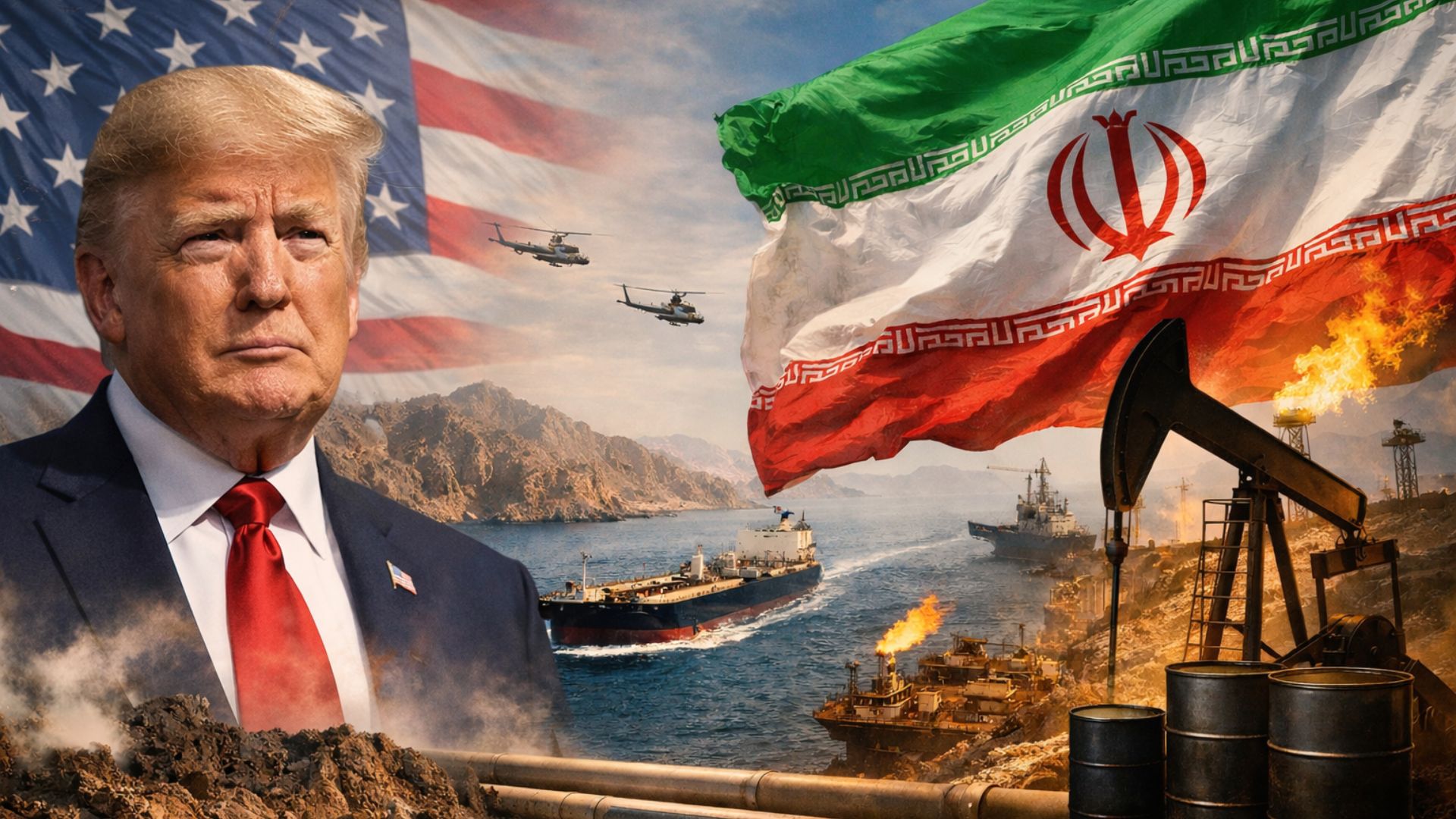
The war in the Middle East continues to be a relevant element in the global economic scenario. The conflict involving the United States, Israel, and Iran has had direct impacts on strategic markets, especially the energy market.
The blockade of the Strait of Hormuz caused one of the largest recorded disruptions in global energy supply. This raised prices and increased inflationary pressures in different countries.
The temporary ceasefire announced by Donald Trump reduced some of the tensions but did not eliminate the risks. Furthermore, parallel confrontations, such as those involving Israel and Hezbollah in Lebanon, continue to fuel instability.
Despite this, the World Bank emphasizes that the war in the Middle East is only an aggravating factor. The jobs crisis was already forming before the conflict and is likely to persist even with its resolution.


World Bank reinforces that jobs are key to avoiding global collapse
The World Bank insists that job creation must be an absolute priority on economic agendas. According to Ajay Banga, short-term challenges cannot divert attention from broader structural problems.
He emphasized that the world needs to “walk and chew gum at the same time,” meaning addressing immediate crises while building long-term solutions.
Among the priority areas identified are:
- Expansion of access to electricity
- Guarantee of potable water
- Investments in infrastructure
- Encouragement of innovation and the productive sector
These actions are considered fundamental to boost job creation and reduce the risks of a global economic crisis.
Without these measures, the trend is towards worsening inequalities and increased economic vulnerability, especially in poorer regions.
Direct impact on global income and consumption
“`htmlThe scarcity of jobs directly affects family income. With fewer people employed, consumption decreases, impacting businesses and reducing economic growth.
This chain effect can generate:
- Decline in industrial production
- Reduction in private investments
- Increase in family indebtedness
- Decrease in government revenue
The World Bank warns that this negative cycle can become difficult to reverse, especially if there are no effective interventions from governments.
Even economies considered resilient can suffer significant impacts if the employment issue is not urgently addressed.

Jobs and inflation: how the war in the Middle East aggravates the economic crisis
The war in the Middle East also influences global inflation, mainly due to fluctuations in energy prices. This factor has a direct impact on job creation.
With higher costs, companies tend to reduce hiring or postpone investments. This limits the creation of new jobs and exacerbates the economic scenario.
Furthermore, inflation reduces the purchasing power of the population, further pressuring income. This context creates an unfavorable environment for both workers and businesses.
The result is a cycle of economic slowdown that can intensify if conflicts persist or escalate again.
Developing countries concentrate greater risk of economic crisis and unemployment
The World Bank highlights that developing countries will be the most affected by the job crisis. This is because these economies concentrate the majority of population growth.
With millions of young people entering the job market, the pressure for jobs increases significantly. However, the capacity to generate vacancies in these regions is still limited.
Among the main challenges are:
- Low level of industrialization
- Lack of adequate infrastructure “`
- Difficulties in accessing investments
- Insufficient education and qualifications
These factors hinder the creation of jobs on a scale sufficient to meet the growing demand.
The economic crisis, in this context, may become even deeper, affecting not only these nations but the global balance.
International meetings expand debate on jobs and economic crisis
The spring meetings of the International Monetary Fund and the World Bank, held in Washington, reinforce the importance of the topic on the global agenda.
Financial authorities from various countries are discussing strategies to address the challenges related to jobs and the economic crisis.
Among the main points of discussion are:
- Policies to stimulate economic growth
- Structural reforms in the labor market
- Incentives for innovation and technology
- International cooperation for sustainable development
These discussions show that there is a global recognition of the seriousness of the problem and the need for coordinated actions.
The silent challenge that could redefine the global economy
The World Bank’s warning reveals that the world may be facing a profound transformation in the labor market. The combination of population growth, low job creation, and economic instability creates a complex scenario.
Even if the war in the Middle East is resolved, the challenges related to jobs will continue to require immediate attention. The projection of an 800 million job deficit is not just a number but an indication of necessary structural changes.
The economic crisis that may arise from this context will not be limited to one country or region. It is a global phenomenon, with direct impacts on the lives of billions of people.
In light of this, the role of the World Bank and other international institutions will be crucial in guiding policies and investments capable of reversing this scenario. The future of work, and of the global economy itself, depends on the decisions made now.









